Welcome!
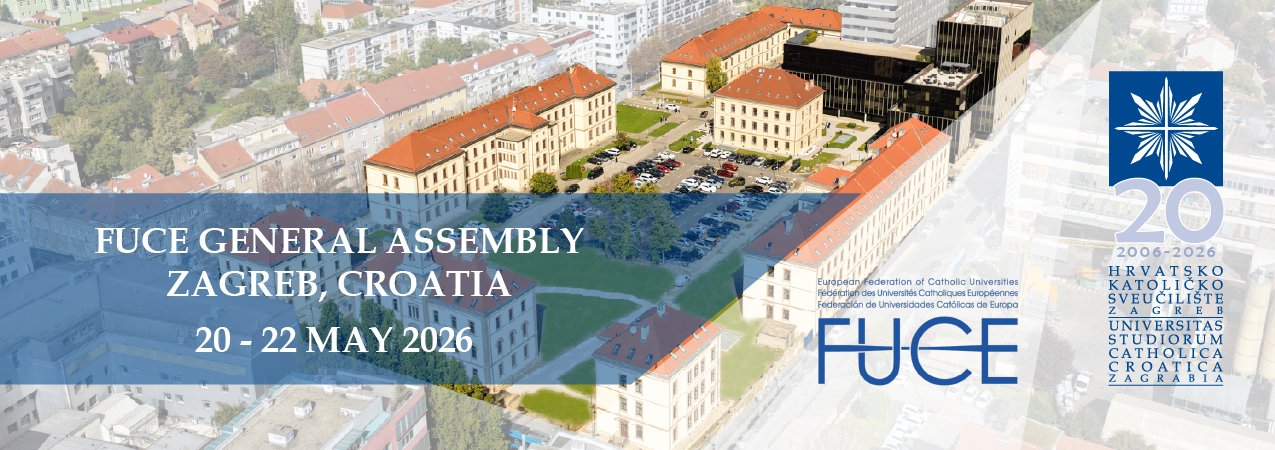
We are delighted to announce that the upcoming General Assembly of FUCE will be held from Wednesday, 20 May, to Friday, 22 May 2026, at the Catholic University of Croatia in Zagreb, Croatia.
This year’s theme, Inspiring Catholic Universities in Challenging Times, invites reflection on the role of Catholic higher education in a rapidly changing world. The conference will explore how universities can remain faithful to their mission while responding creatively to contemporary challenges. A highlight of the program is the keynote lecture by Cardinal José Tolentino de Mendonça, Prefect of the Dicastery for Culture and Education.
The official program of the General Assembly will begin on Wednesday at 5:30 PM and conclude on Friday at lunchtime. The registration desk will open on Wednesday at 4:30 PM.
We would kindly appreciate it if you could arrange your accommodation as soon as possible.
You can register via webform available at the link.
WEDNESDAY, MAY 20
Venue: Catholic University of Croatia, Aula Magna
16:30 – Registration
17:30 – Opening of the Academic Session
Prof. Elena Beccalli, President of FUCE and Rector of Sacred Heart University, Italy
Prof. Željko Tanjić, Rector of the Catholic University of Croatia
Prof. Radovan Fuchs, Minister of Science, Education and Youth
Msgr. Dražen Kutleša, Archbishop of Zagreb, Grand Chancellor of the Catholic University of Croatia
18:15–19:00 – Keynote Lecture
Moderator: Željko Tanjić, Catholic University of Croatia, Croatia
Cardinal José Tolentino de Mendonça, Prefect of the Dicastery for Culture and Education
19:00–19:20 – Keynote Q&A
19:20– 20:00 – Concert
20:00 – Walking Dinner
THURSDAY, MAY 21
Venue: Catholic University of Croatia, Aula Magna
09:00–09:50 – Panel 1: Sustainability and the Enduring Appeal of Catholic Universities in Times of Declining Enrolment
Moderator: Hrvoje Štefančić, Catholic University of Croatia, Croatia
Elena Beccalli, Milan, Sacred Heart University, Italy
Discussion: How can Catholic Universities Preserve Their Mission and Identity While Remaining Financially Sustainable in the Context of Declining Enrolment?Željko Tanjić, Catholic University of Croatia, Croatia
Isabel Capeloa Gil, Catholic University of Portugal, Portugal
Grégory Woimbée, Catholic University of Lyon, France
Taras Dobko, Ukrainian Catholic University, Ukraine
09:50–10:10 – Q&A
10:10–10:15 – Key Takeaways from the Panel 1
10:15–10:40 – Coffee Break
10:40–11:30 – Panel 2: Sustainability of Universities in Times of Digital Transformation
Moderator: Odilon Singbo, Catholic University of Croatia, Croatia
Zlatan Car, Catholic University of Croatia, Croatia
Discussion: How Are Universities Addressing Digital Transformation Challenge?Pablo Salvador Blesa Aledo, Catholic University of Saint Anthony of Murcia (UCAM), Spain
Kristóf Iván, Pázmány Péter Catholic University, Hungary
Rony Darazi, Antonine University, Lebanon
11:30–12:30 – Panel 3: European University Alliances
Moderator: Branka Roščić, Catholic University of Croatia, Croatia
Josep M. Garrell, President of European University Association (EUA)
Discussion: Strategic Perspectives on European University Alliances: Lessons and Future Pathways.Patrick Scauflaire, Catholic University of Lille, France
Carlo Maria Gallucci, Ramon Llull University, Spain
Peter Hanenberg, Catholic University of Portugal, Portugal
Anita Pavić Pintarić, University of Zadar, Croatia
12:30 – Group Photo
12:40–14:00 – Lunch at CUC
14:00–14:30 – Panel 4: Catholic Universities in Challenging Times
Moderator: Carlo Maria Gallucci, Ramon Llull University, Spain
1. Reimagining Catholic Identity in the Age of Secularism: Challenges and Pathways for Catholic Universities - Andrzej Kielian, Pontifical University of John Paul II, Poland
2. Building Climate-Resilient Campuses: Strategies for Sustainable Transformation in Higher Education - Barbara Schermaier-Stöckl and Bernward Robrecht, Catholic University of Applied Science, Germany
3. Building Resilience: University Approaches to Student Care in an Age of Conflict and Anxiety – Lana Batinić, Department of Psychology, Catholic University of Croatia, Croatia
14:30–15:15 – Breakout sessions (workshops related to the above topics moderated by David Koonce, Pontifical Ateneo Regina Apostolorum, Italy; Franck Violet, Catholic University of Lyon, France; Dermot Nestor, Mary Immaculate College, Ireland)
15:20–15:30 – Aula Magna: Conclusions and Takeaways
15:30–16:00 – Coffee Break
16:00–18:00 – City Tour
18:00 – Holy Mass at St. Mark's Church
19:00–20:30 – Free Time
20:30 – Presidential Dinner
FRIDAY, MAY 22
Venue: Catholic University of Croatia, C3
08:00 – Holy Mass
09:00–11:00 – FUCE General Assembly
11:00–11:30 – Coffee Break
11:30–12:30 – FUCE GA (continued)
12:30 – Light Lunch and Departure
14:00 – Trip to Krašić – Plešivica (dinner included)
21:00 - Return to Zagreb
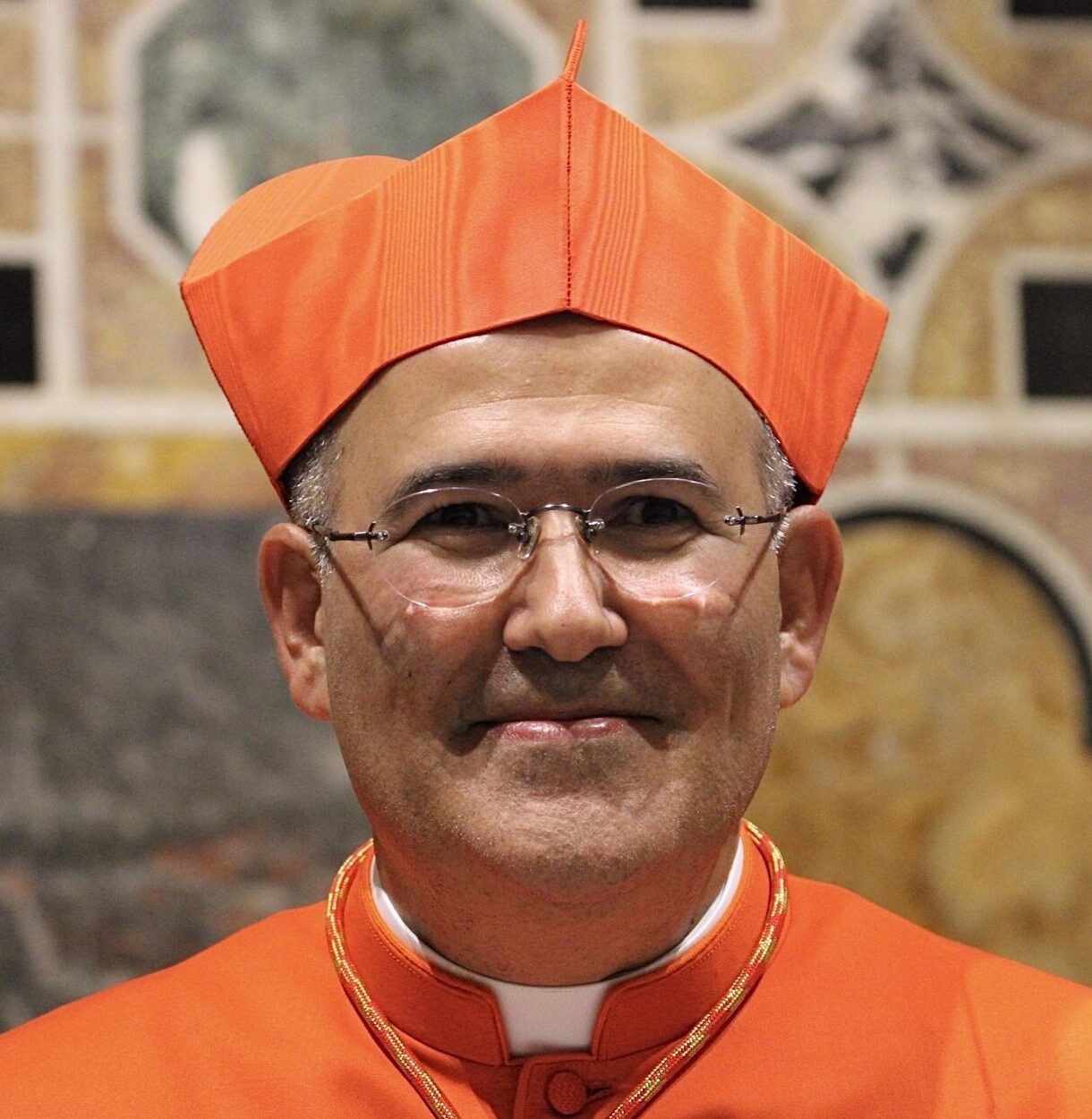 | Cardinal José Tolentino de Mendonça is the Prefect of the Dicastery for Culture and Education. He studied theology at the Catholic University of Portugal, earning a licentiate and later a doctorate in biblical theology. He was ordained a priest and obtained a licentiate in biblical sciences from the Pontifical Biblical Institute in Rome. He taught New Testament and Aesthetic Theology at the Catholic University of Portugal and served as rector of the Pontifical Portuguese College in Rome. He also directed the Centre for the Study of Religions and Cultures and edited the journal Didaskalia. In 2011, he was appointed consultor of the Pontifical Council for Culture and vice-rector of the university. Cardinal de Mendonça was appointed Prefect of the Dicastery for Culture and Education in 2022. He is also a published theologian and poet. |
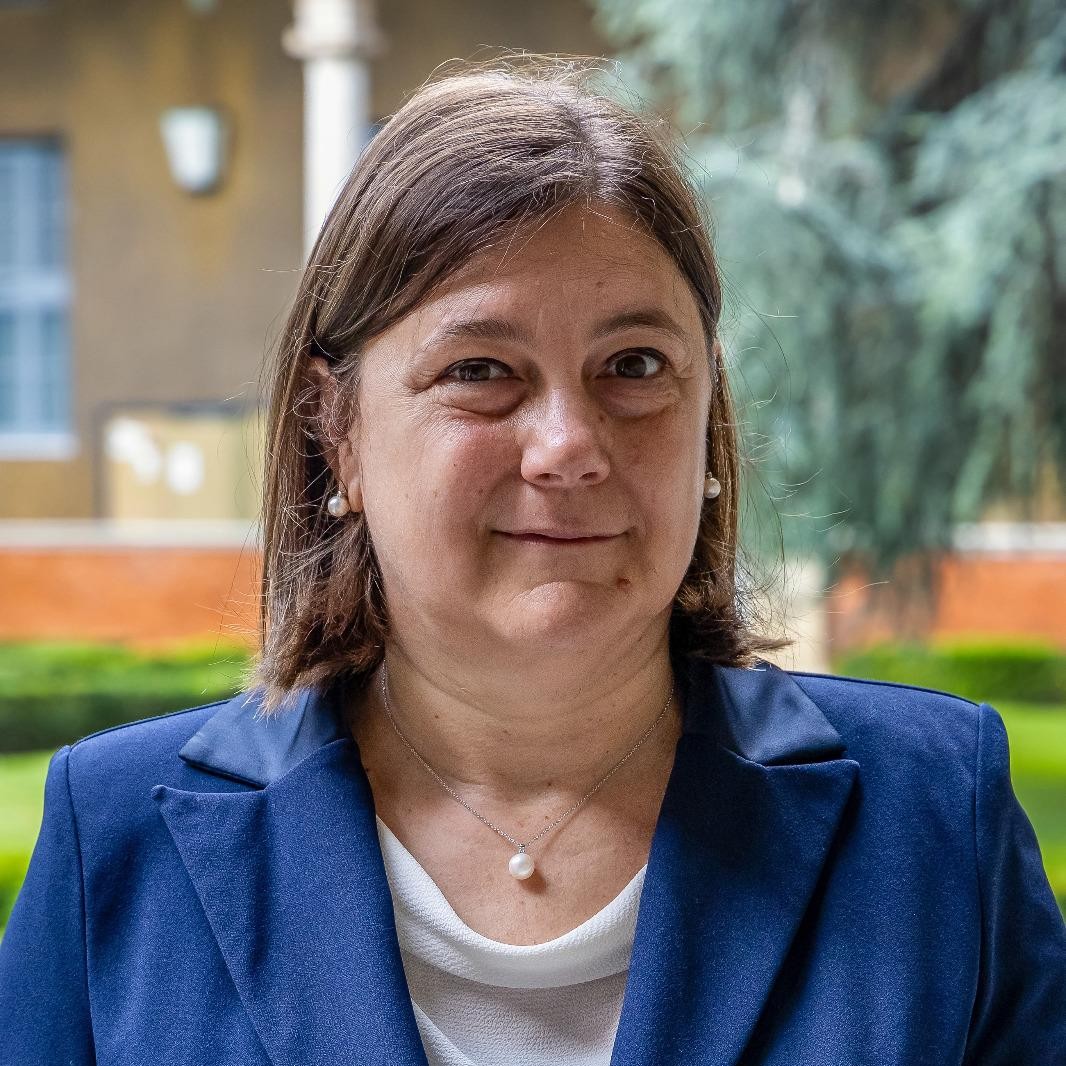 | Elena Beccalli is an Italian economist and the first female Rector of Università Cattolica del Sacro Cuore in Milan, starting her term in July 2024. A graduate of the same university, she is a Full Professor of Financial Intermediaries and has been Dean of the School of Banking, Finance, and Insurance Sciences since 2014. She is a research associate at the London School of Economics, with experience as a visiting professor in the UK, Singapore, and China. Beccalli is President of the Italian section of the European Society for Banking and Financial Law, co-editor of the Journal of Financial Management, Markets, and Institutions, and a member of several prestigious committees, including the Centesimus Annus Pro Pontifice Foundation and the expert group on socially responsible investment of the Italian Episcopal Conference. Her research focuses on banking, ethics, sustainability, artificial intelligence, and women’s leadership. |
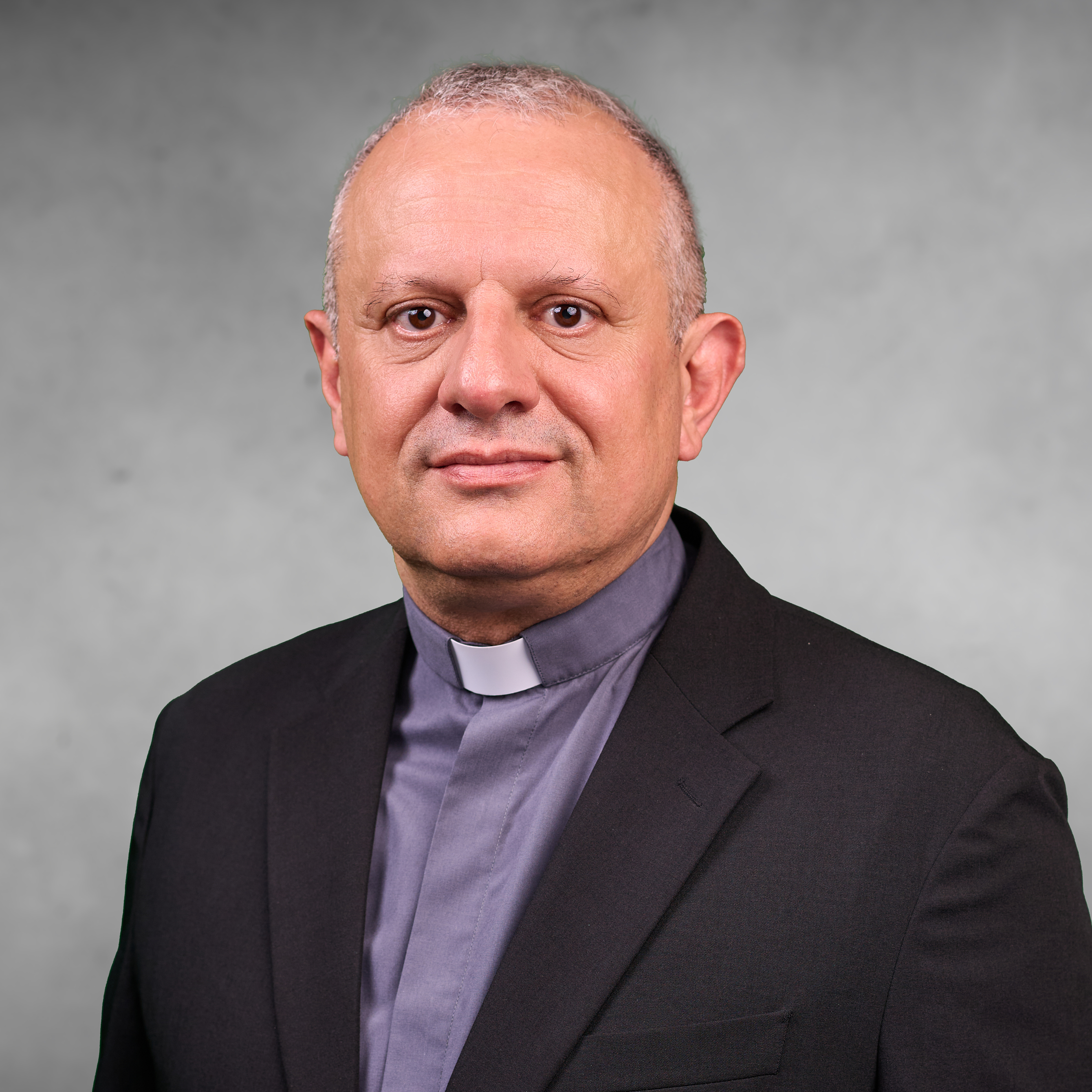 | Željko Tanjić is a Full Professor and has served as the Rector of the Catholic University of Croatia since 2011. He completed his undergraduate studies and Master’s degree, and earned his PhD in 2000 at the Pontifical Gregorian University in Rome. Before assuming the rectorship, he was Head of the Department of Fundamental Theology at the Catholic Theological Faculty of the University of Zagreb from 2009 to 2011 and simultaneously served as Director and CEO of the publishing house Kršćanska sadašnjost. He is the author of two books and numerous scientific articles in the field of fundamental theology, and was a member of the International Theological Commission from 2014 to 2019. His research interests include science and theology, philosophy and theology, theological epistemology, and the relationship between theology and society. |
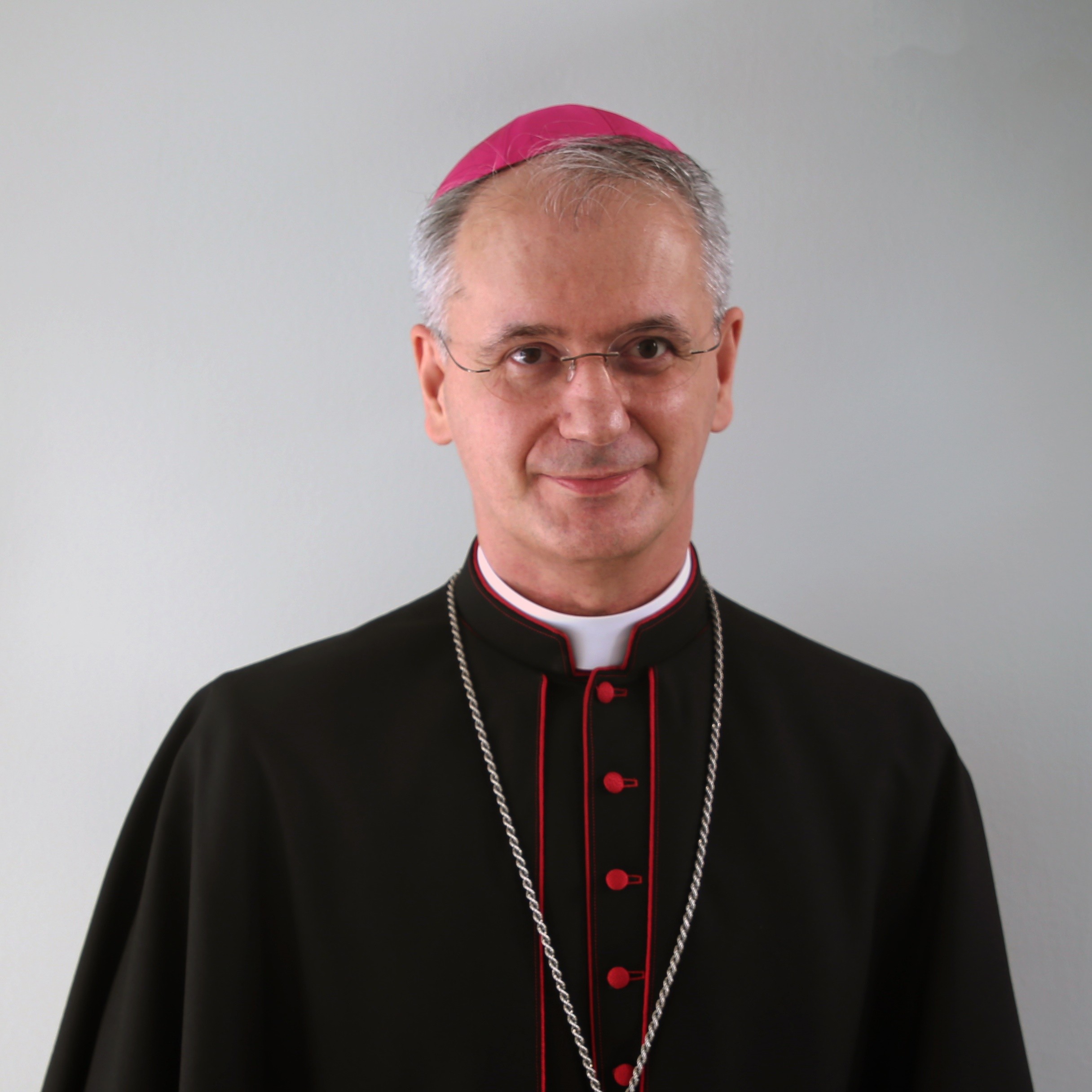 | Msgr. Dražen Kutleša studied Philosophy and Theology at Vrhbosna Catholic Theology in Sarajevo, earning his Bachelor’s in 1994 and a PhD in Canon Law from the Pontifical Urban University in Rome. Ordained as a priest in 1993, he held various roles in the Mostar-Duvno Diocese, including chaplain, rector, and lecturer. In 2011, Pope Benedict XVI appointed him bishop coadjutor of the Poreč-Pula Diocese, and he became diocesan bishop in 2012. He later served in the Vatican's Dicastery for Bishops and was appointed Archbishop of Split-Makarska in 2022. He also became president of the Croatian Bishops' Conference in 2022. On February 14, 2023, Pope Francis appointed him archbishop coadjutor of Zagreb, and he succeeded Cardinal Josip Bozanić as Archbishop of Zagreb on April 15, 2023. |
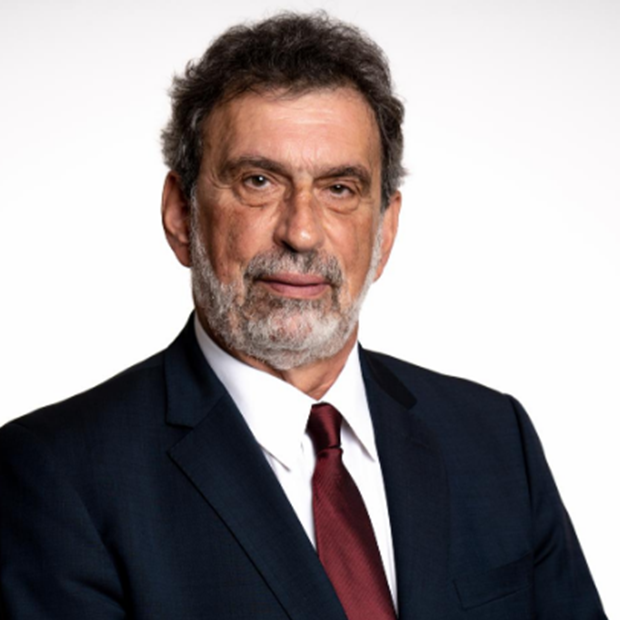
| Prof. Radovan Fuchs is the Minister of Science, Education, and Youth of the Republic of Croatia. |
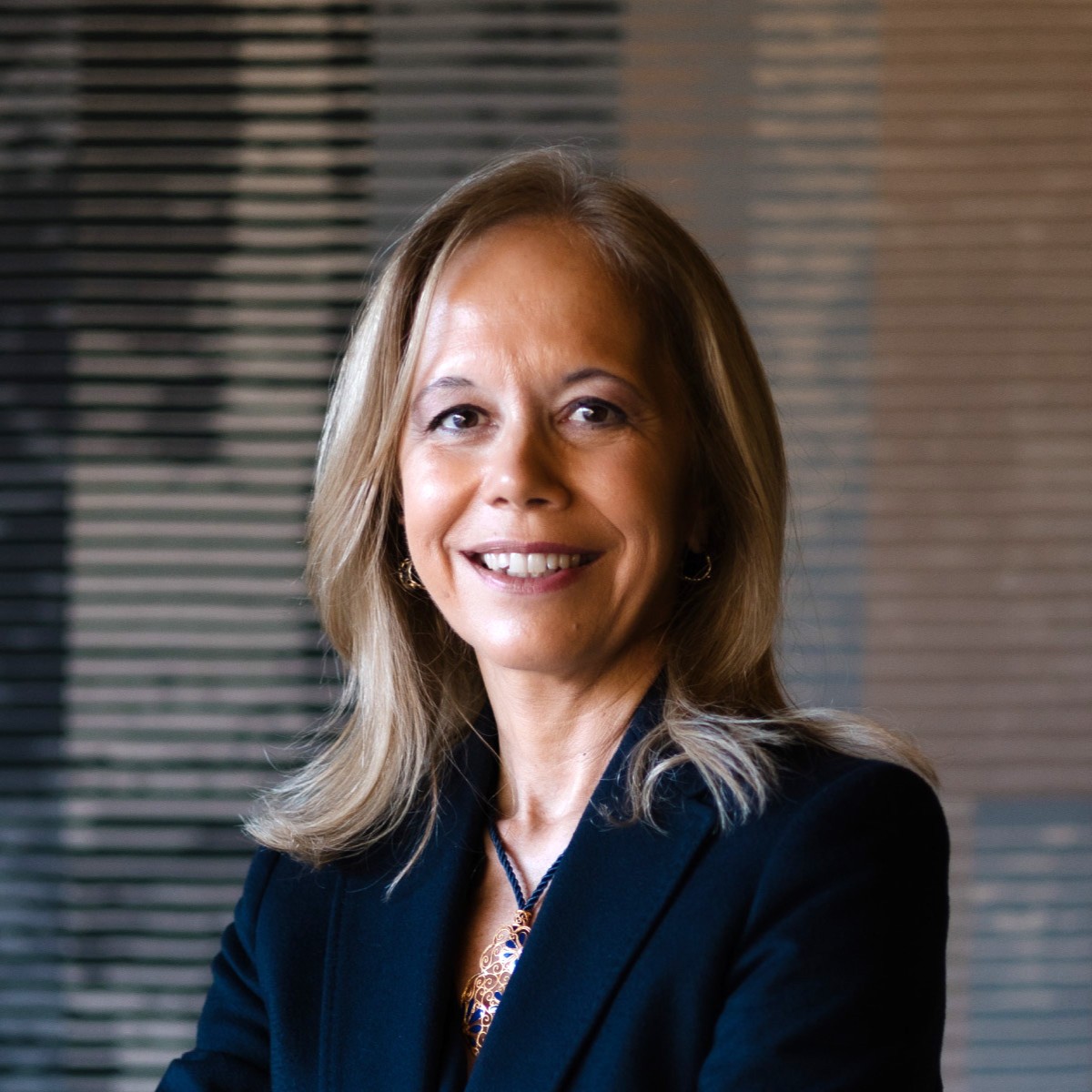
| Isabel Capeloa Gil is Full Professor of Culture Studies and the current Rector of UCP – Catholic University of Portugal. She holds PhD in German Language and Culture from UCP. She has held numerous visiting professorships at universities in the U.S., Germany, Brazil, Italy, Ireland and Wales. She was a founder of The Lisbon Consortium network and leads the International Doctoral Degree Program in Culture Studies |
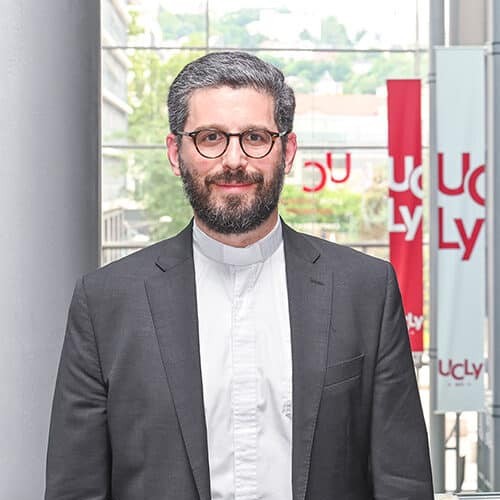 | Grégory WOIMBÉE, Doctor of History and Theology, is the Rector of Lyon Catholic University since 2024. His career has been marked by a deep understanding of the challenges of higher education as Vice-Rector for Research and International Relations at the Institut Catholique de Toulouse, then Director of Doctoral Studies at the Faculty of Theology of the Institut Catholique de Paris (ICP). |
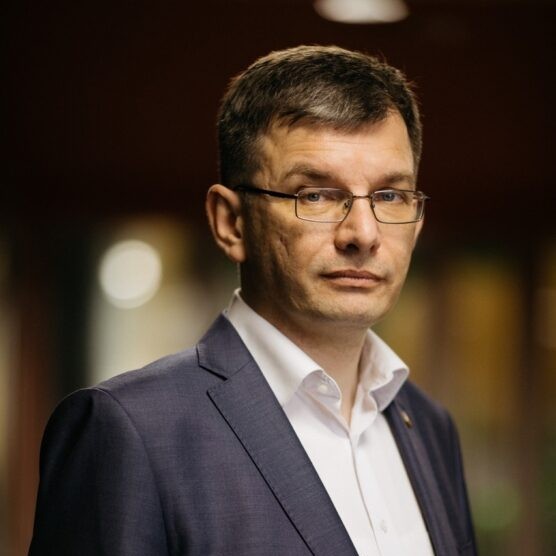 | Taras Dobko is Rector of the Ukrainian Catholic University. In his professional activities he has been involved in promoting university autonomy, the development of academic culture, building systems to provide and improve the quality of education, and improving the culture of the integrated human development of students, professors, and staff. His research interests include phenomenological epistemology, personalism in ethics, the philosophy of religion and secularization, historical-philosophical analysis of the conception of rationality in European culture, education and integral human development, and the problems of university autonomy and academic culture. |
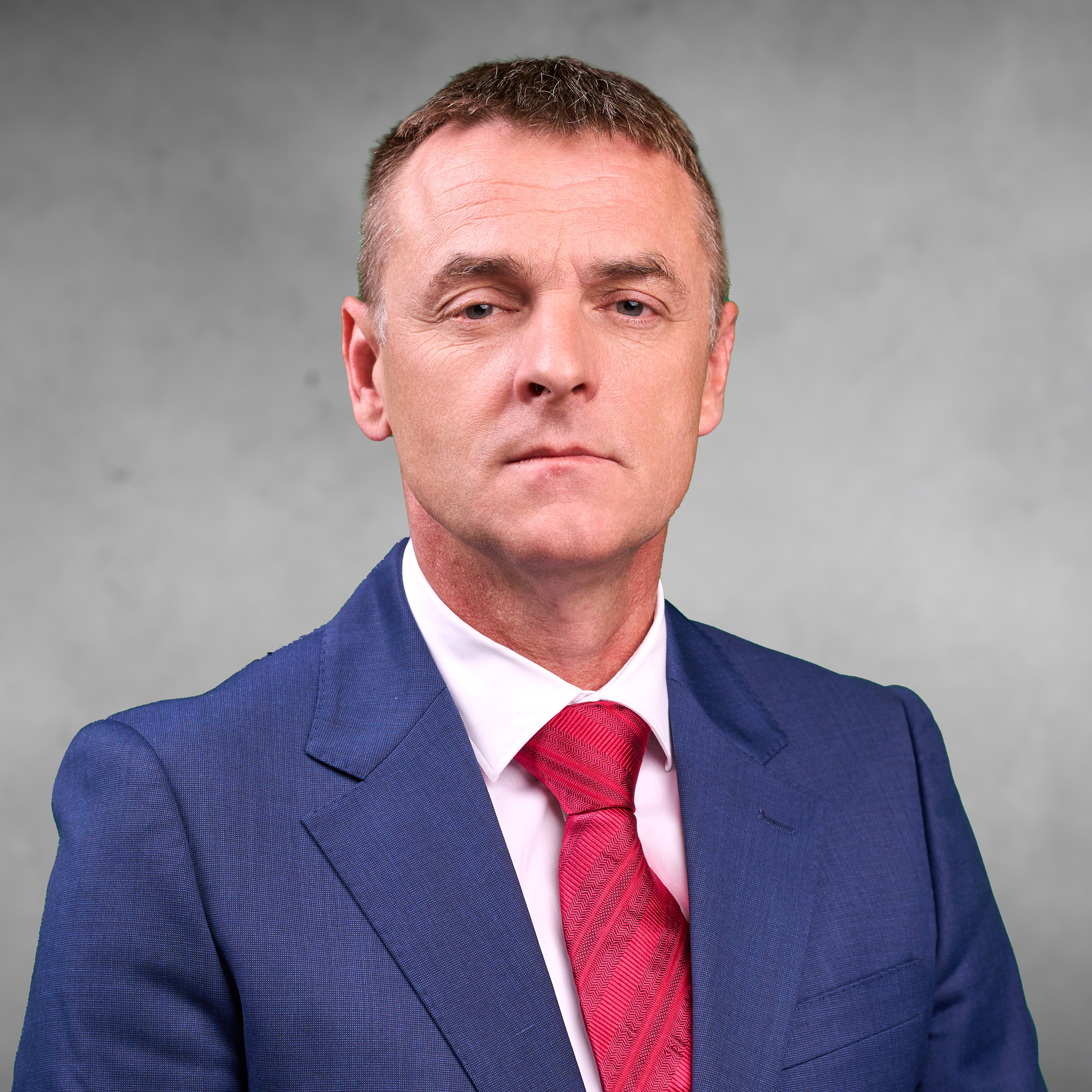 | Zlatan Car is a Full Professor and the Dean at the Faculty of Engineering, Catholic University of Croatia in Zagreb. He earned his PhD at Kobe University, Japan, with a dissertation on adaptive reconfiguration of manufacturing systems. His research focuses on artificial intelligence, smart automation, high-performance computing (HPC), engineering simulations, and medical applications. |
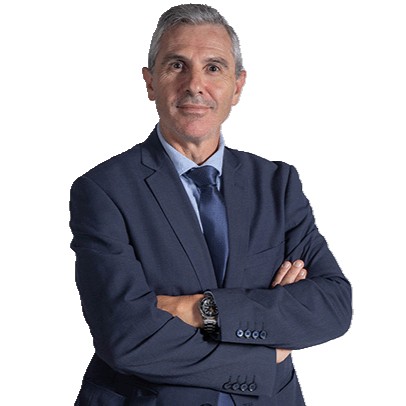 | Pablo Salvador Blesa Aledo is Vice-Rector for International Relations and Communication and Dean of Social Sciences and Communication at UCAM. He holds a PhD from UCAM and multiple master’s degrees in International Relations and Communication. Professor Blesa has been a visiting professor at universities across Europe, North America, and Russia. |
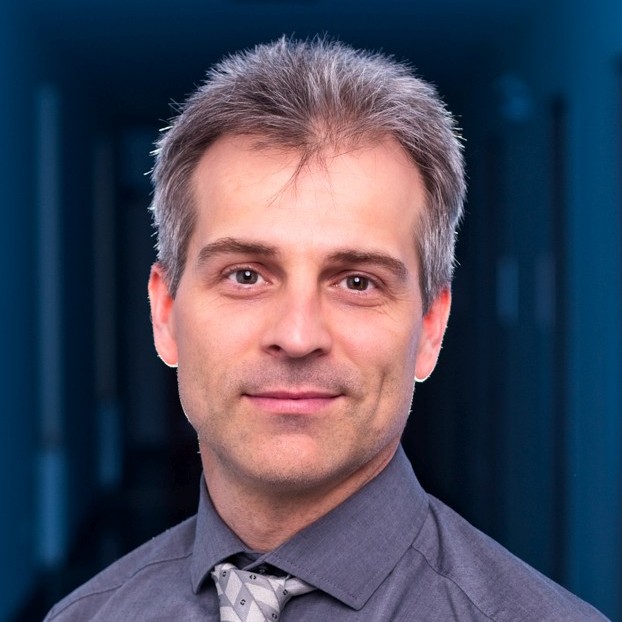 | Kristóf Iván obtained his PhD in Info-Bionics from Pázmány Péter Catholic University. He is currently an Associate Professor at Pázmány University, where he is responsible for the bionics curriculum and leads the Biomicrofluidics Laboratory. His research interests include passive and active particle separation methods for sample preparation, molecular diagnostic methods for food safety applications, and disposable complex microfluidic solutions for diagnostic technologies. |
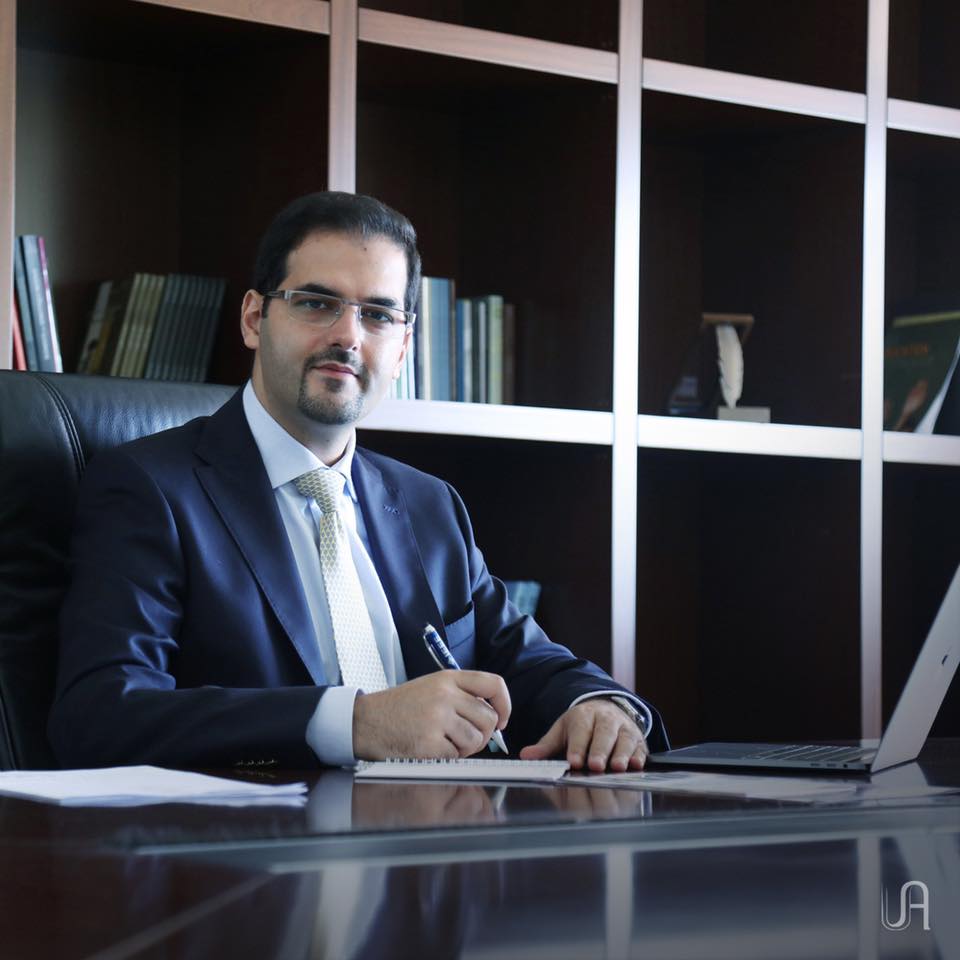 | Prof. Rony Darazi is currently Vice Rector for Cooperation and Internationalization at the Antonine University; Member of technical academic committee of the Council of Higher Education at the Ministry of Education and Higher Education and member of the executive board of the Universities Association of Lebanon since 2021. Prof. Darazi is a senate member of the Euro-Mediterranean University(EMUNI) in Slovenia since 2023, and member of the administrative board of the European Federation of Catholic Universities (EFCU) since 2025. He also serves as an international expert at the national French agency for quality assurance HCÉRES, and CTI in France. Prof. Darazi served as a consultant at the UNESCO Beirut regional office for the implementation of the Regional Convention on the Recognition of Studies. |
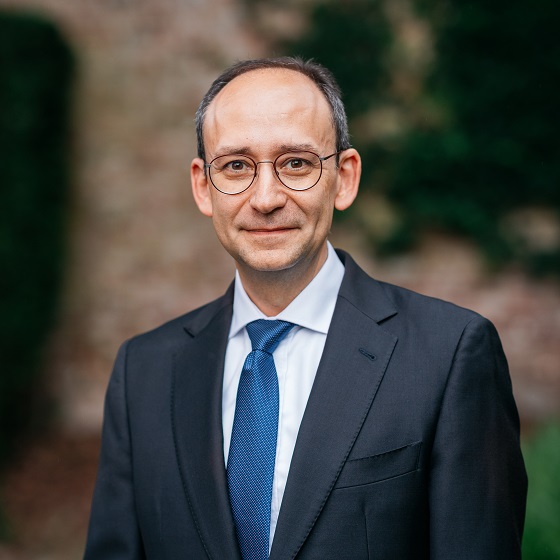
| Josep M. Garrell is President of the European University Association (EUA). He is the former Rector of Ramon Llull University (Universitat Ramon Llull). Professor Garrell graduated in Computer Engineering from the Polytechnic University of Catalonia (UPC) and holds a Doctorate in Electronic Engineering from Ramon Llull University. As a faculty member and researcher at Ramon Llull University, he specialised in artificial intelligence and machine learning. |
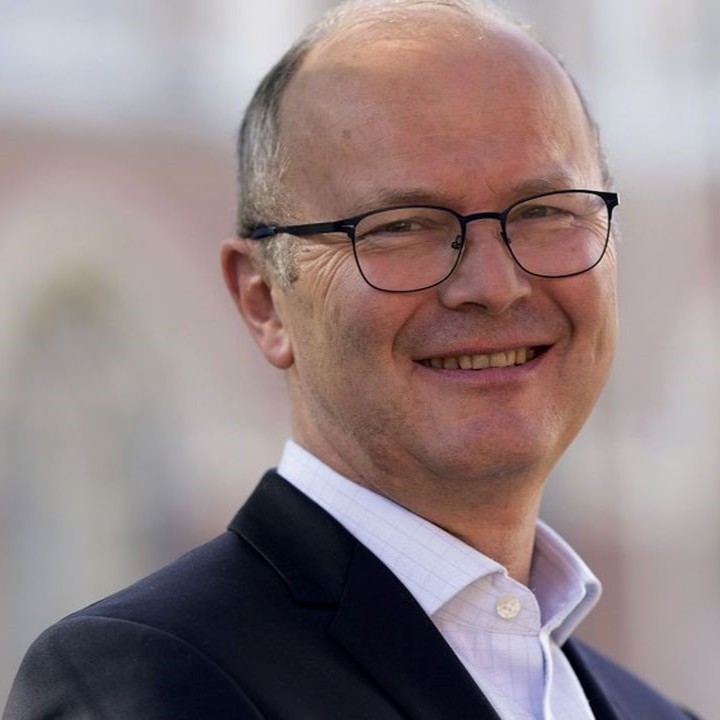 | Patrick Scauflaire is President-Rector of the Catholic University of Lille since 2020. A graduate of École Polytechnique and École des Mines de Paris, he started his career at the Solvay Group, working in Belgium, Brazil, and Moselle. He later joined BP Chemicals, where he became Director of Research and Technology Europe in 2003. In 2005, he shifted to a more socially-focused role at the Apprentis d'Auteuil Foundation, where he served as Deputy Managing Director. He has also managed the ICAM site in Lille and completed an Executive MBA at HEC. He has been involved in various social and religious initiatives, including being a permanent deacon since 2002 and advising Christian business leaders. |
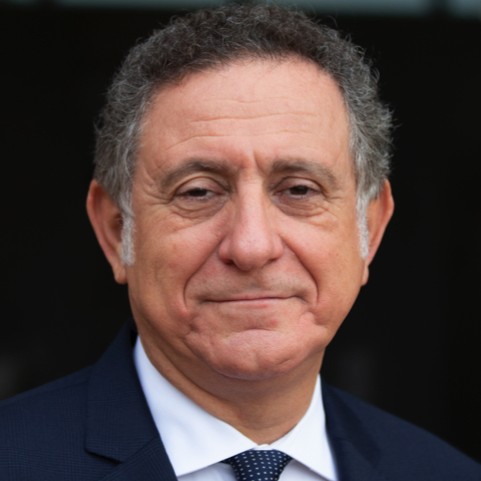 | Carlo Maria Gallucci is Vice-Rector for International Relations and Students at Ramon Llull University in Barcelona, Spain. He holds a PhD in Economics and Business Sciences from the Pontifical Comillas University (ICADE–ICAI) in Madrid. He is currently a Full Professor of Marketing at ESADE–URL in Barcelona. He is currently a member of the Board of the Federation of European Catholic Universities (FUCE) and the International Federation of Catholic Universities (FIUC). |
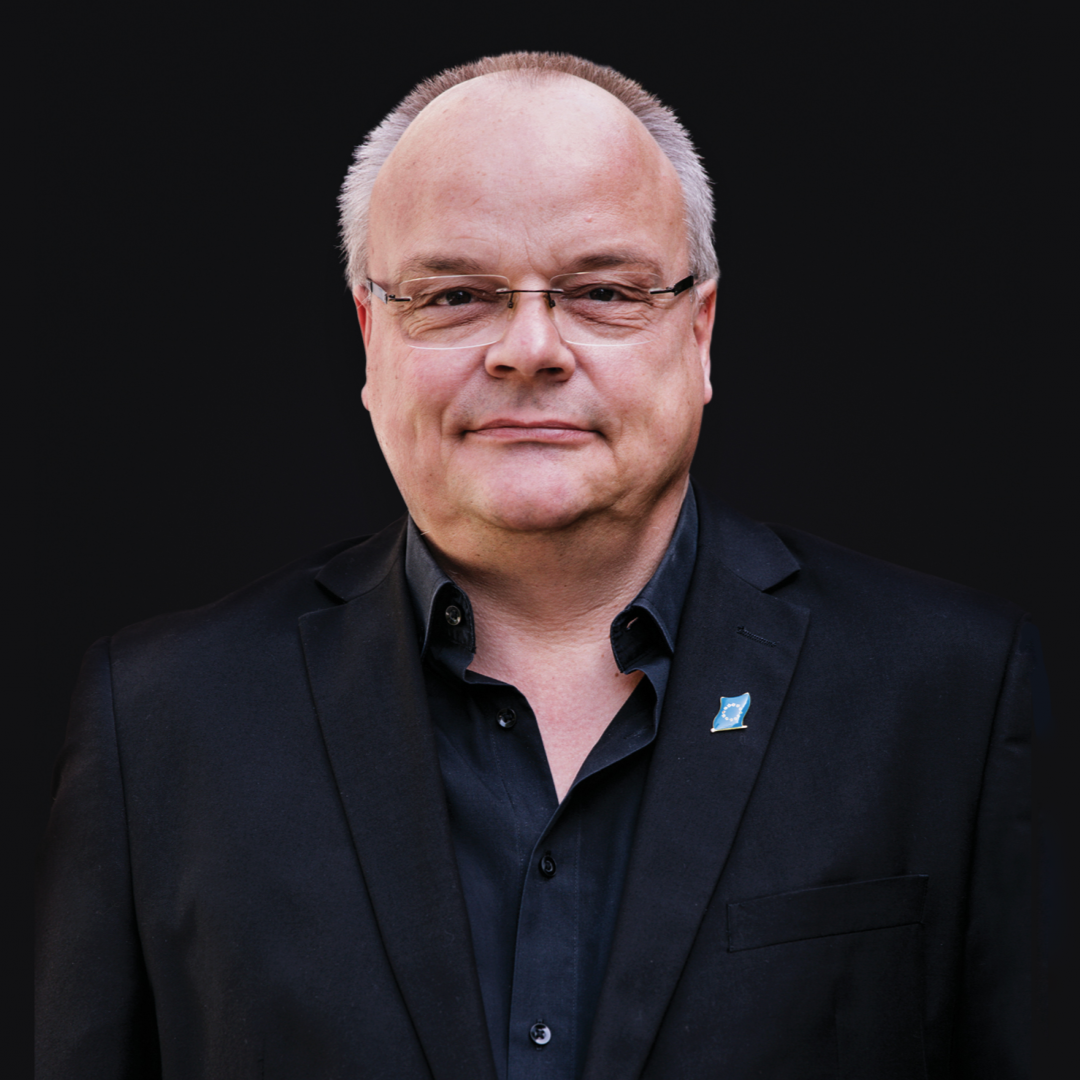 | Peter Hanenberg is Vice-Rector for Research and Innovation and Director of the Católica Doctoral School (CADOS) at the Portuguese Catholic University in Lisbon, Portugal. He obtained his PhD in Modern Languages and Literatures from the University of Bamberg, Germany, in 1993. His research focuses on European literature and culture since the 16th century, the idea of Europe and its representations, as well as the intersection of cognitive sciences and cultural studies. |
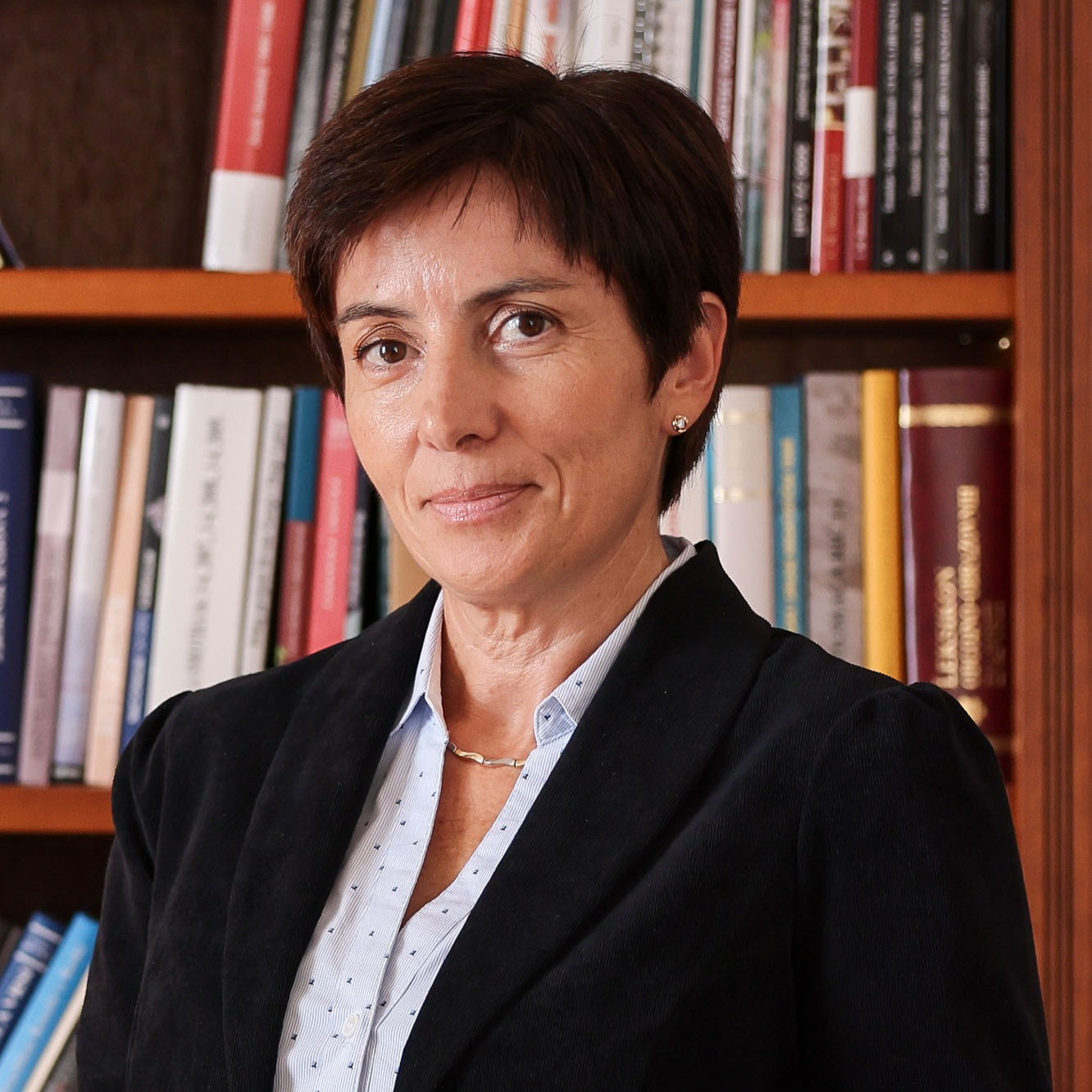 | Anita Pavić Pintarić is Vice-Rector for Student Affairs and Studies at the University of Zadar. She obtained her master’s degree at the Faculty of Philosophy in Zagreb and earned her PhD at the University of Zadar. Her research interests include the expression of emotionality, fictive orality, phraseology, translation studies, pragmalinguistics, and contrastive and contact linguistics. |
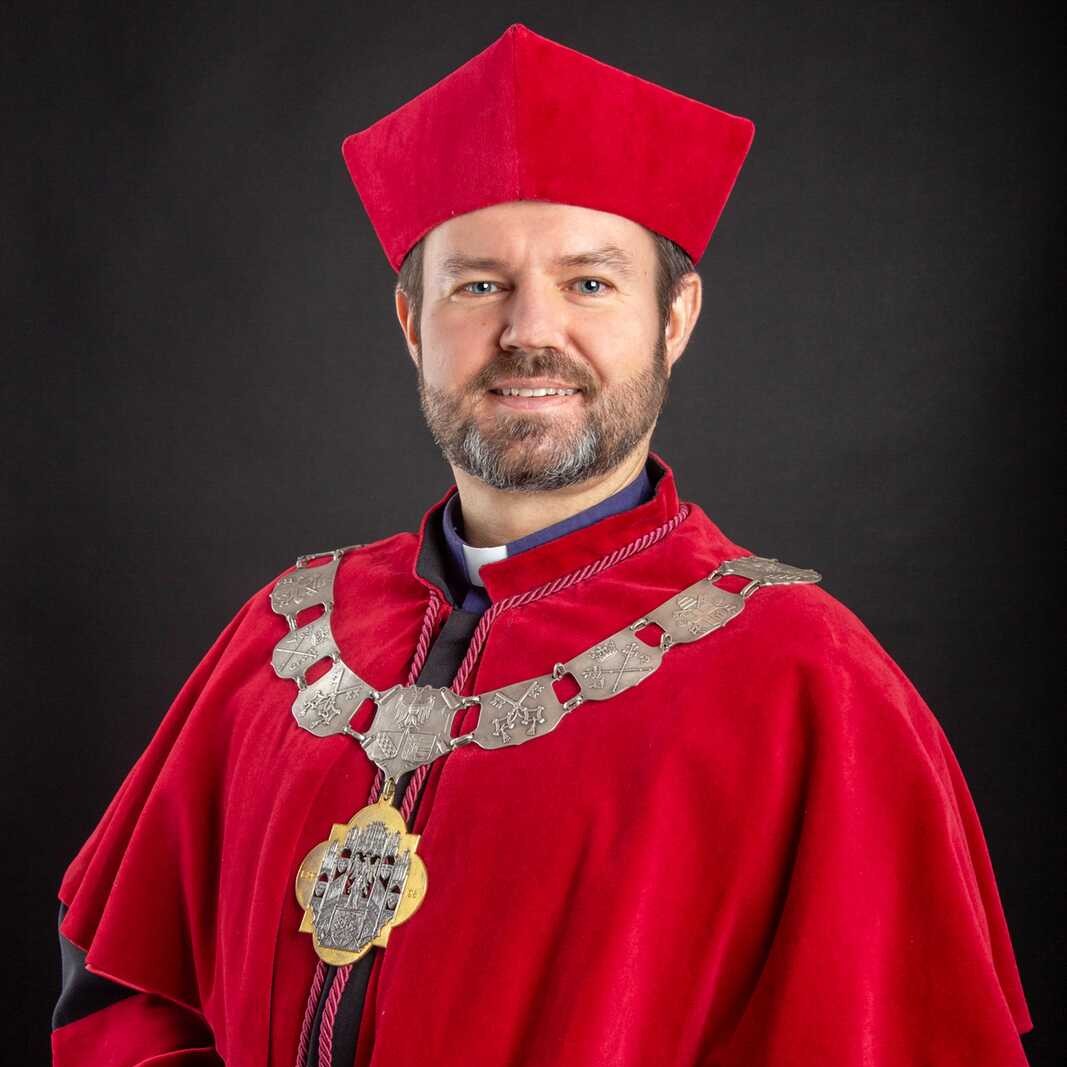 | Andrzej Kielian is Vice-Rector for Internationalisation and Director of the Doctoral School. He defended his doctoral dissertation entitled Models of Roman Catholic Religious Education in European Countries in 2009. Since that year, he has been employed at the Faculty of Theology of the Pontifical University of John Paul II in Kraków. His academic interests have expanded to include the Montessori educational system and the religious education method known as the Catechesis of the Good Shepherd, developed and implemented in Montessori schools. |
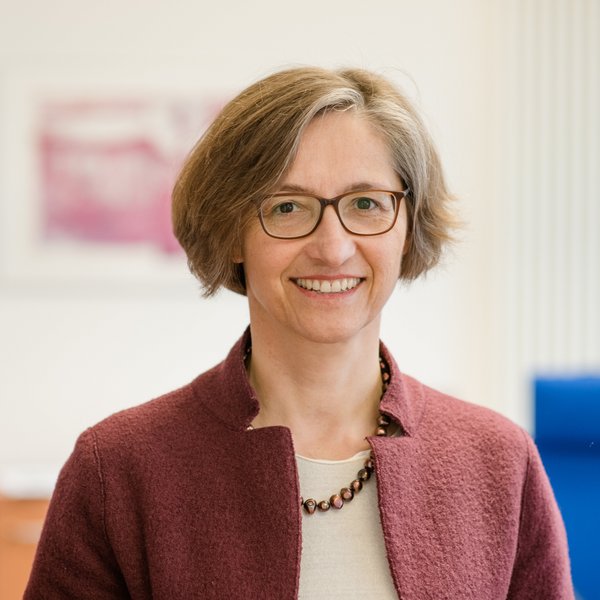 | Barbara Schermaier-Stöckl has been the Rector of the Catholic University of Applied Sciences in Cologne, Germany, since February 2024, after serving as Vice-Rector for Research and Continuing Education from 2020. Her research focuses on the legal aspects of social work with families, people with disabilities, the elderly and sick, and migrants and refugees, particularly in the context of violence and punishment. |
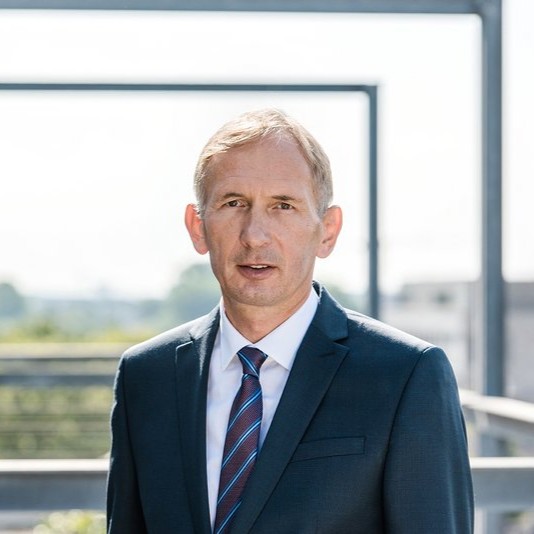 | Bernward Robrecht is Head of Administration and Managing Director of the Catholic University of Applied Sciences of North Rhine-Westphalia, where he is responsible for all administrative affairs and serves as the legally accountable representative of the institution. After completing his German Abitur in 1983, he studied economic management and business administration and entered the public service of the Federal Republic of Germany. He served as a speaker for several federal and state authorities and ministries, with responsibilities spanning personnel and organizational development, financial management, international cooperation, and education and training. In addition to his administrative career, he has worked as a lecturer and serves as Deputy Speaker of the Federal Working Committee of Heads of Administration of Protestant and Catholic ecclesiastical universities. |
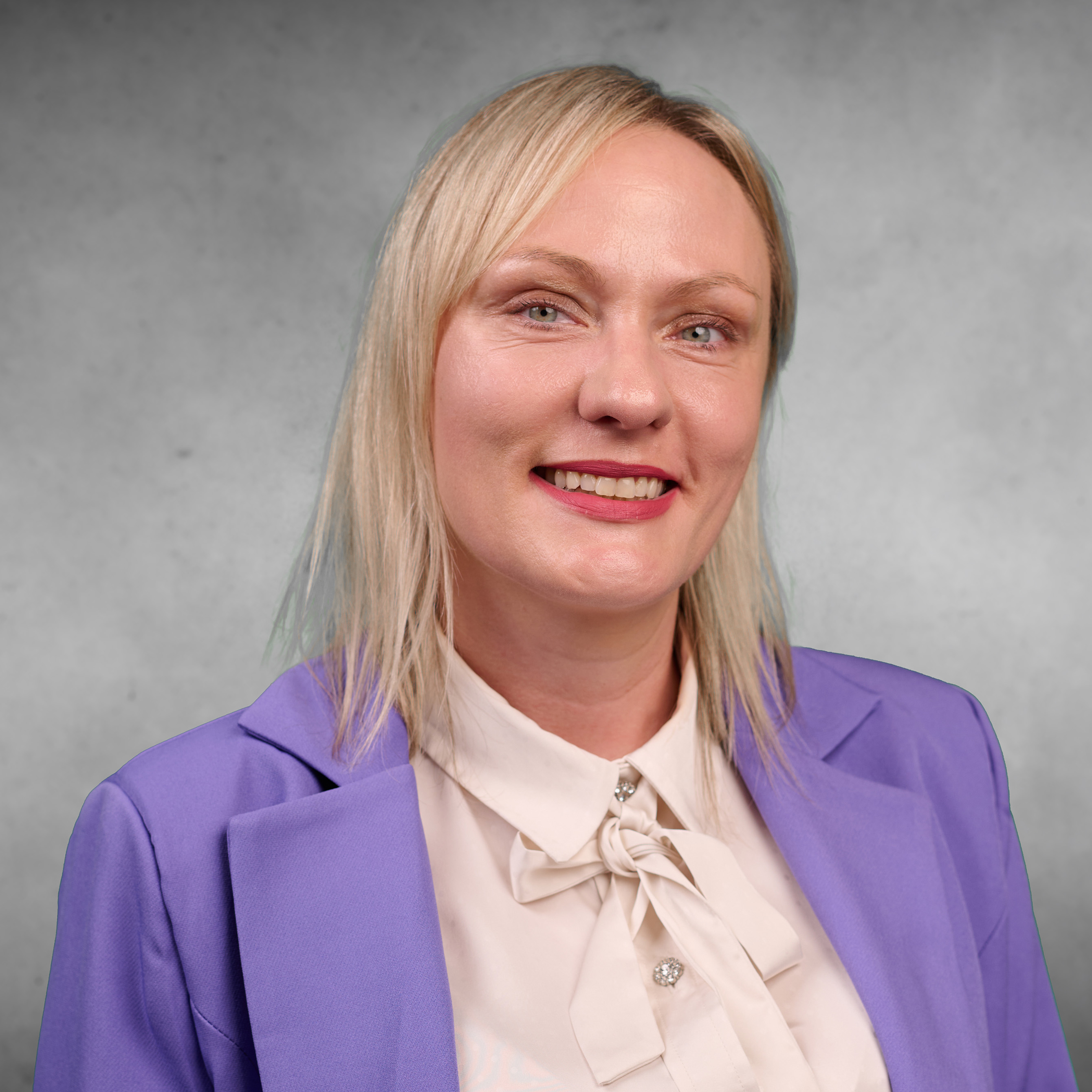
| Lana Batinić is an Assistant Professor at the University Department of Psychology of the Catholic University of Croatia. She was a lecturer at three international summer schools Practicing Resilience. Preparing for Recovery organized in collaboration with the Nanovic Institute (University of Notre Dame, USA) and the Ukrainian Catholic University. She is a co-founder of the Center for the Family of the Catholic University of Croatia. |
Zagreb offers high-quality accommodation well suited to business travellers, including international hotel chains and centrally located business hotels. Most hotels are within walking distance of the city centre or are easily accessible by tram. With its compact layout, reliable transport, excellent restaurants, and professional yet relaxed atmosphere, Zagreb provides a comfortable and efficient stay for guests attending the General Assembly.
Participants of the FUCE General Assembly are responsible for their own accommodation costs. However, we have contacted several hotels and arranged special rates for General Assembly attendees.
Participants will receive information about hotel rates and booking instructions in an email from our International Office. To secure the FUCE2026 discounted hotel rates, please follow the instructions in this email.

Hotel Dubrovnik is one of the most popular hotels in Zagreb, situated on the main square in Zagreb, Ban Jelačić Square.

The WESTIN Hotel (Marriot) is located just a few tram stops from the University and offers a beautiful panoramic view of Zagreb.

Zonar Zagreb is an urban hotel with modernly designed rooms and a panoramic view of the city.

Hotel International is a hotel located in the city’s business district, within walking distance of the city center and major landmarks.
ARCHDIOCESAN PASTORAL INSTITUTE
The building is located near Zagreb Cathedral, in the very heart of the city. The rooms are simple and cozy. The reservation deadline for this accommodation is May 11th.
For the FUCE2026 assembly, The reservation deadline for this accommodation is May 11th.
OTHER OPTIONS
Near the Catholic University of Croatia, there are many private apartments available for booking via Booking.com.
For more information, please contact us via email: international.office@unicath.hr
Flying to Zagreb
Zagreb has one international airport, Dr. Franjo Tuđman Airport (ZAG).
From the airport, there are several options for reaching the city center:
Taxi Services: Uber and Bolt taxi services are available, and you can also find taxis right outside the airport. Note that taxis are available at the arrival section of the airport. After exiting the airport, you need to use escalators or an elevator to reach platform above.
Public Transportation: Bus number 290 departs from a stop opposite the airport and runs every 20 minutes. Tickets can be purchased directly from the driver inside the bus or through the 'Moj Zet' application.
Shuttle Bus Service: There is also a shuttle bus service between Zagreb Airport and Zagreb Central Bus Station. More information about the services can be found on Pleso Prijevoz
Travel by Car
The Catholic University of Croatia has a parking area within the campus. The parking fee is €0.70 per hour.
Travel by Train
Zagreb is connected by train with neighboring and nearby countries (Austria, Slovenia, Hungary, Switzerland). The main railway station is located in the city center and is connected to the rest of the city by tram. Taxis are also available in front of the station entrance.
Travel by Bus
Zagreb is connected by bus with other Croatian cities as well as many European capital cities. The main bus station is located within a wider central area of the city, and it is also easy and quick to reach any other part of the city by tram or taxi.
How to get to the Catholic University of Croatia?
By tram
From Hotel Dubrovnik and the Archdiocesan Pastoral Institute (Ban Jelačić Square): Take tram lines 6 or 11 in the direction of Črnomerec.
From Hotel Westin:
- Walk to Savska cesta to the tram station Vodnikova (opposit side from the hotel).
- Take tram lines 12, 14, 17, or 13 toward Frankopanska Street.
- Then continue from Ilica Street on tram lines 6 or 11 in the direction of Črnomerec.
From Hotel International:
- Walk to Vukovarska ulica to the tram station Miramarska.
- Take tram lines 13 or 3 to Savska cesta.
- Then take tram lines 12, 14, 17, or 13 toward Frankopanska Street.
- Continue from Ilica Street on tram lines 6 or 11 in the direction of Črnomerec.
From Zonar Zagreb:
- About 20 minutes on foot, or
- A short taxi ride.
From the Main Railway Station (Glavni kolodvor):
Take tram lines 6 or 2 in the direction of Črnomerec.
From the Main Bus Station (Autobusni kolodvor Zagreb):
Take tram lines 6 or 2 in the direction of Črnomerec.
Tram ticket:
€0.53 via the Moj ZET app.
By car
There is an open paid parking lot available on campus.
Parking fee: €0.70 per hour.
Map of hotels:
The European Federation of Catholic Universities (EFCU), known by its French acronym FUCE (Fédération des Universités Catholiques Européennes), was established in 1991 with the conviction that it could offer a renewed contribution to the network of Catholic universities, building on the positive trajectory of European integration as the European Union was approaching formal realization.
At the end of the 1990s, FUCE conducted a comparative study that revealed both the diversity and the shared characteristics of Catholic universities across Europe. The study highlighted the need to strengthen existing links, particularly in the context of the Bologna Process, launched in June 1999, which aimed to enhance the comparability of academic qualifications and to promote the mobility of students, teachers, and researchers.
Today, FUCE brings together Catholic universities in Europe and Lebanon.
Zagreb, the capital of Croatia, is a vibrant Central European city known for its rich history, cultural heritage, and relaxed atmosphere. Blending historic architecture with modern academic and cultural life, the city offers charming streets, green parks, museums, and cafés, many of which are located within easy walking distance.
Discover the charm of Zagreb as you explore its most iconic attractions. Wander through the historic Upper Town, admire the magnificent Zagreb Cathedral of the Assumption of the Blessed Virgin Mary, and visit the picturesque Saint Mark’s Church. Pass through the legendary Stone Gate (Kamenita vrata), hear the famous Grič Cannon at the Lotrščak Tower, and relax in the elegant Zrinjevac Park.

Trip
After three days of conference sessions, we invite you to join us for a relaxing excursion around Zagreb on Friday afternoon, May 22, 2026.
We set off on a pleasant afternoon excursion from Zagreb through the scenic landscapes of central Croatia. Our journey takes us via Karlovac to Ozalj, where we visit the impressive Drašković Castle, perched above the River Kupa, and explore the exhibition dedicated to the renowned Croatian painter Slava Raškaj.
From Ozalj, we continue to Krašić, the birthplace of Blessed Cardinal Alojzije Stepinac, the victim of communism regime and spiritual role model of Croatian nation. Here we visit the Church of the Holy Trinity and the Cardinal Stepinac Memorial House, important landmarks of Croatia’s spiritual and historical heritage.
In the afternoon, we head to the wine-growing region of Plešivica, renowned for its award-winning wines, including the celebrated sparkling wines of the Tomac family, internationally recognised for their quality and tradition. The excursion concludes with an early dinner featuring authentic local cuisine, accompanied by a tasting of Plešivica sparkling wines and wines, enjoyed in the relaxed atmosphere of rolling hills and vineyards.
For any additional information or questions, please feel free to contact us via email: international.office@unicath.hr