Share
Day of the Department of Sociology Marked
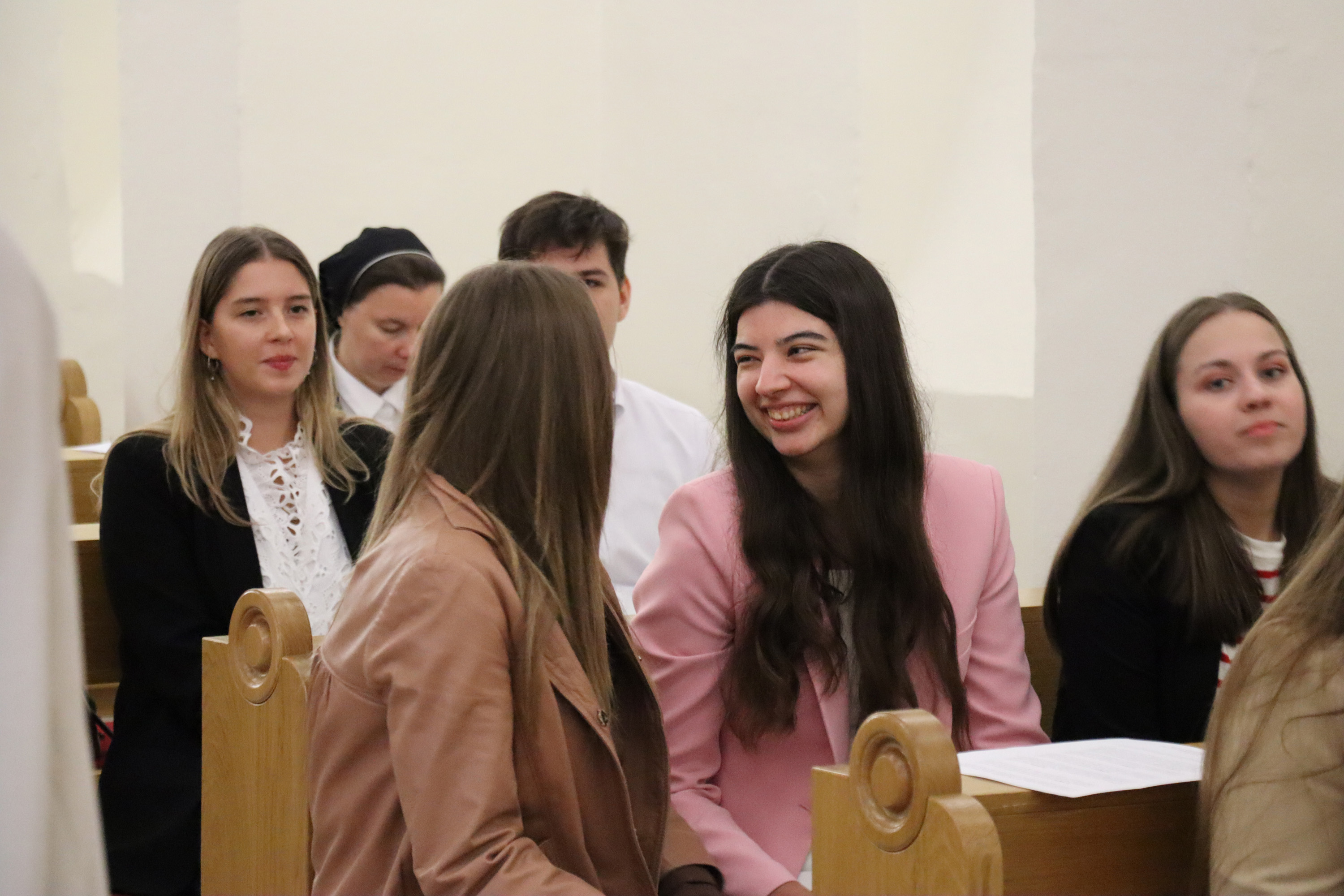
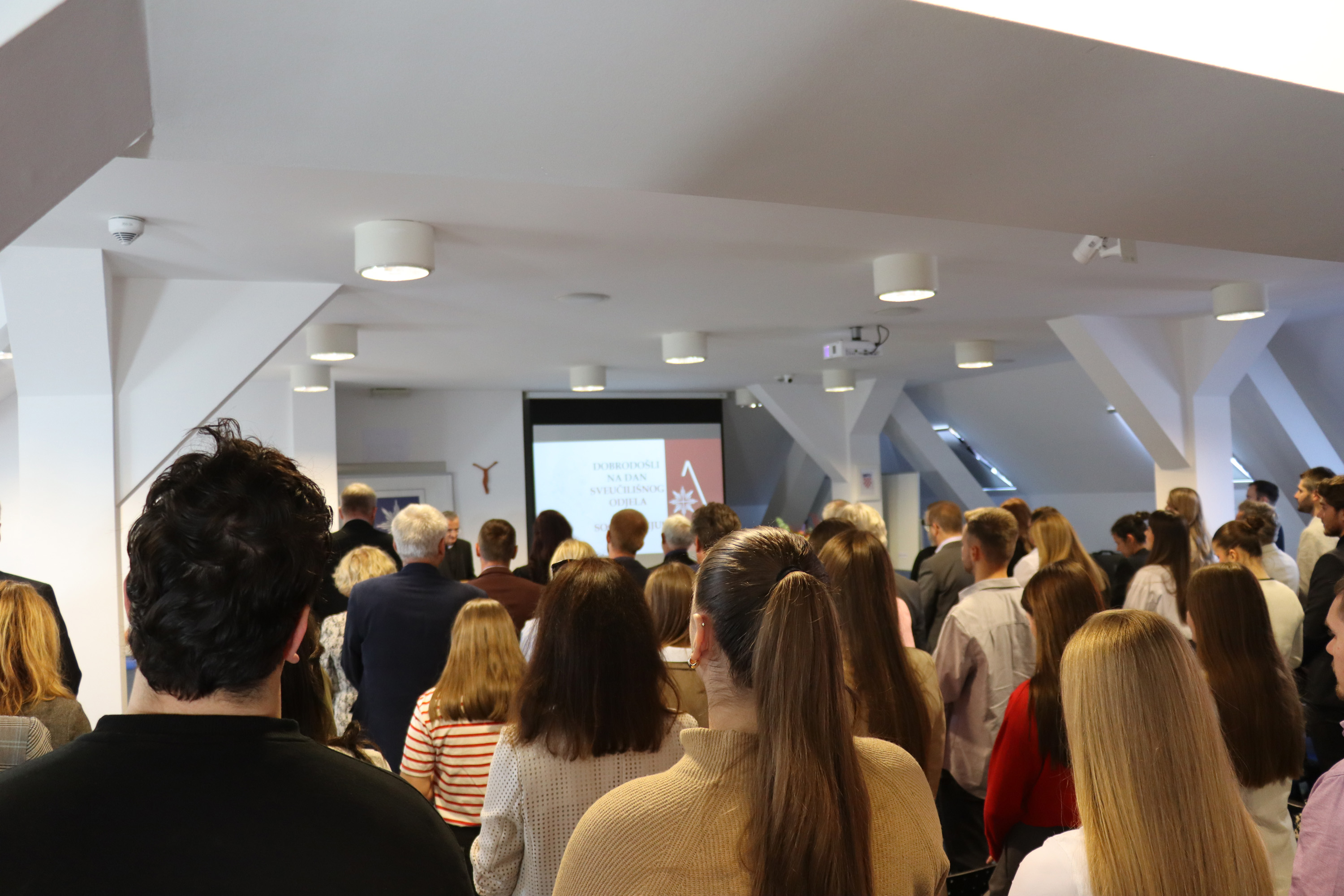
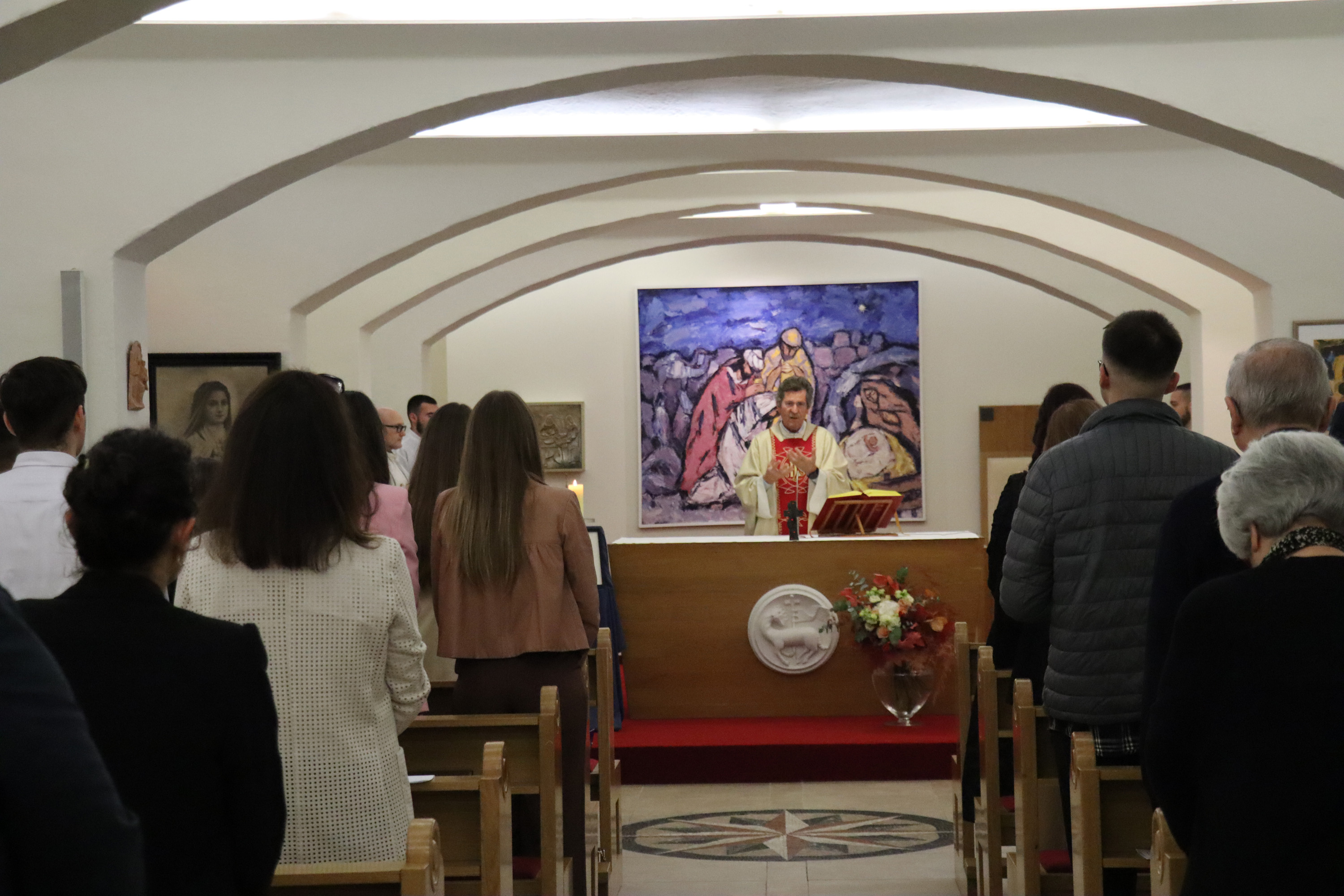
The Day of the Department of Sociology of the Catholic University of Croatia (CUC) was celebrated on Wednesday, 22 October 2025, with a Holy Mass in the university chapel, followed by a departmental award ceremony and a scientific conference held in the Blessed Alojzije Cardinal Stepinac Hall.
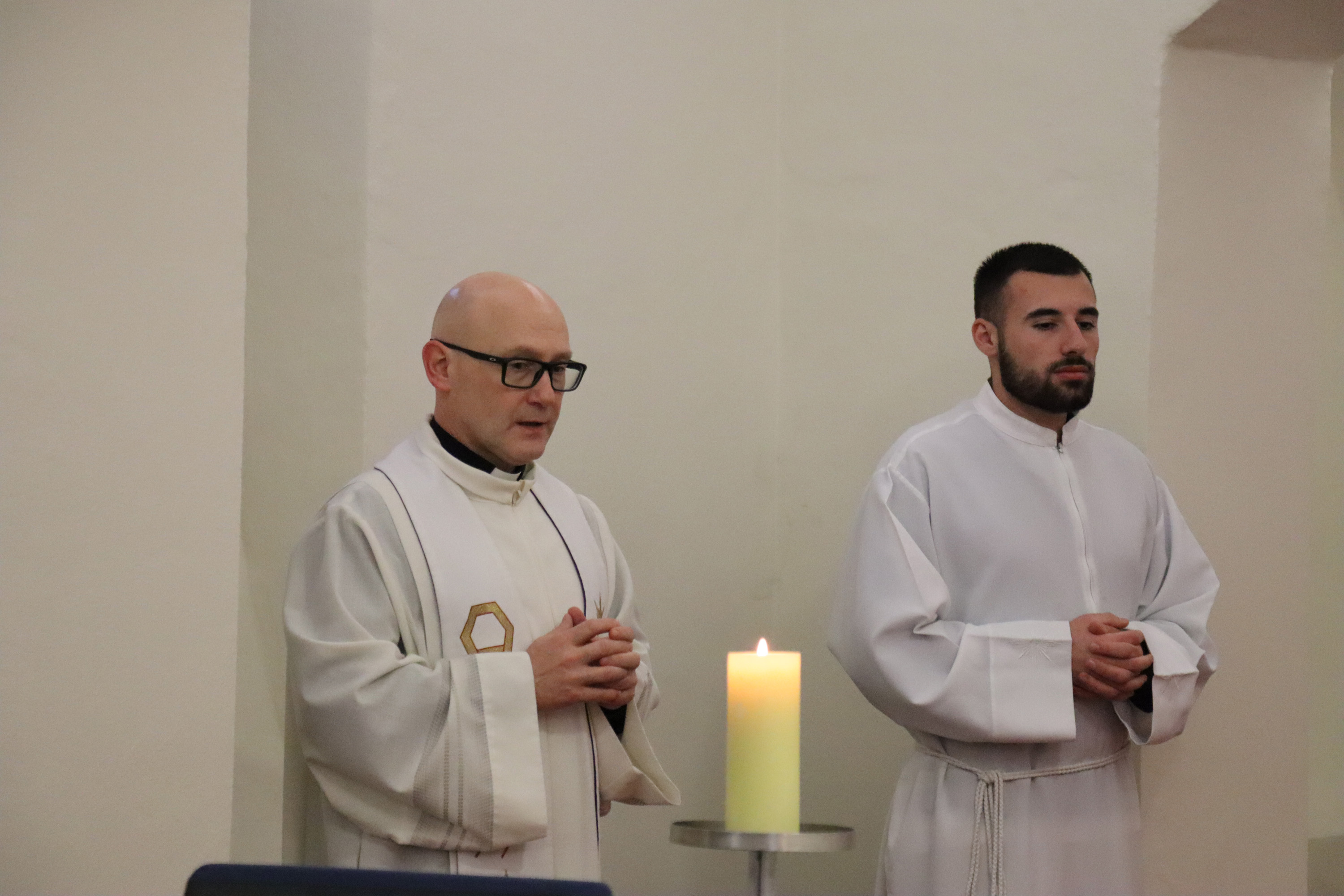
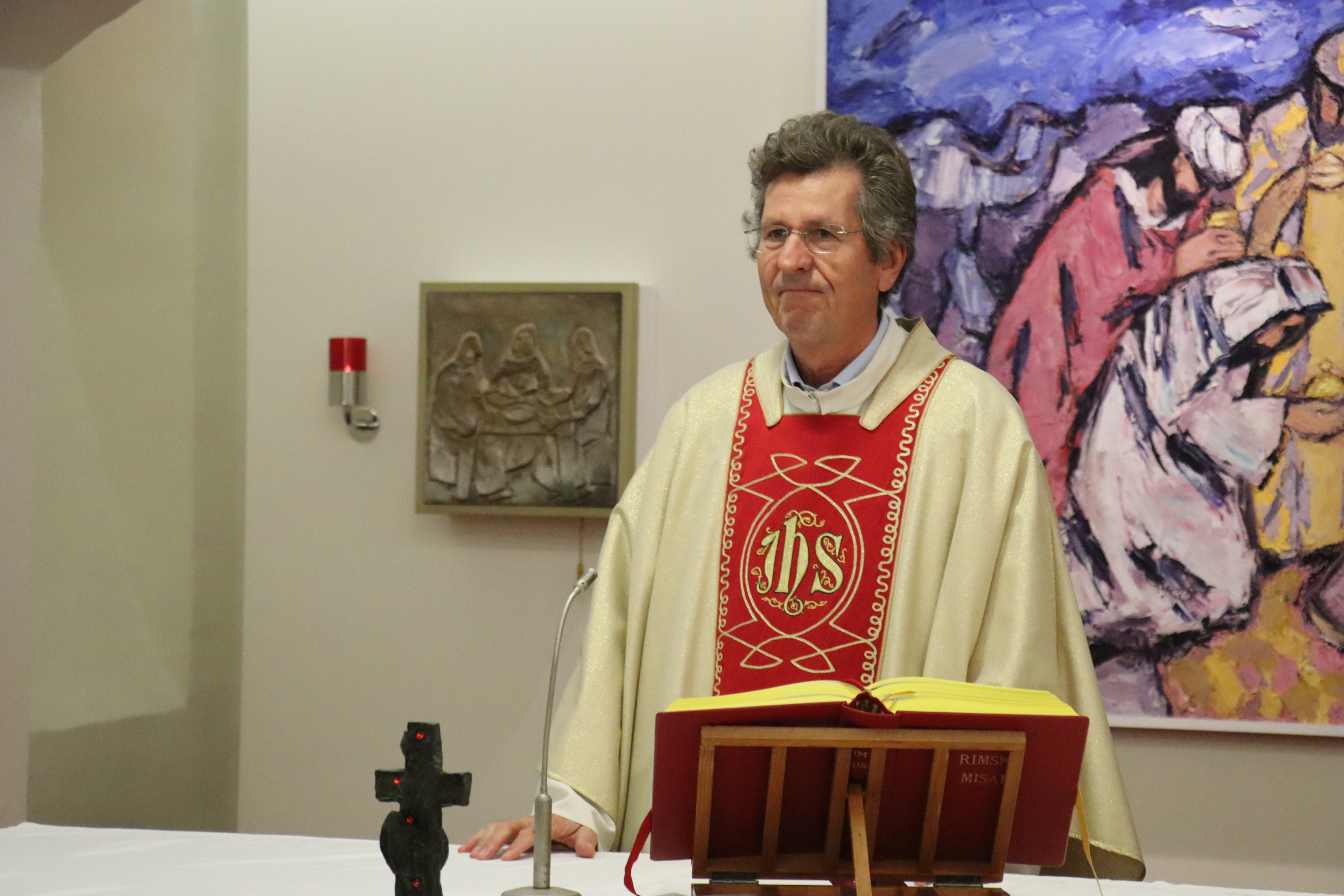
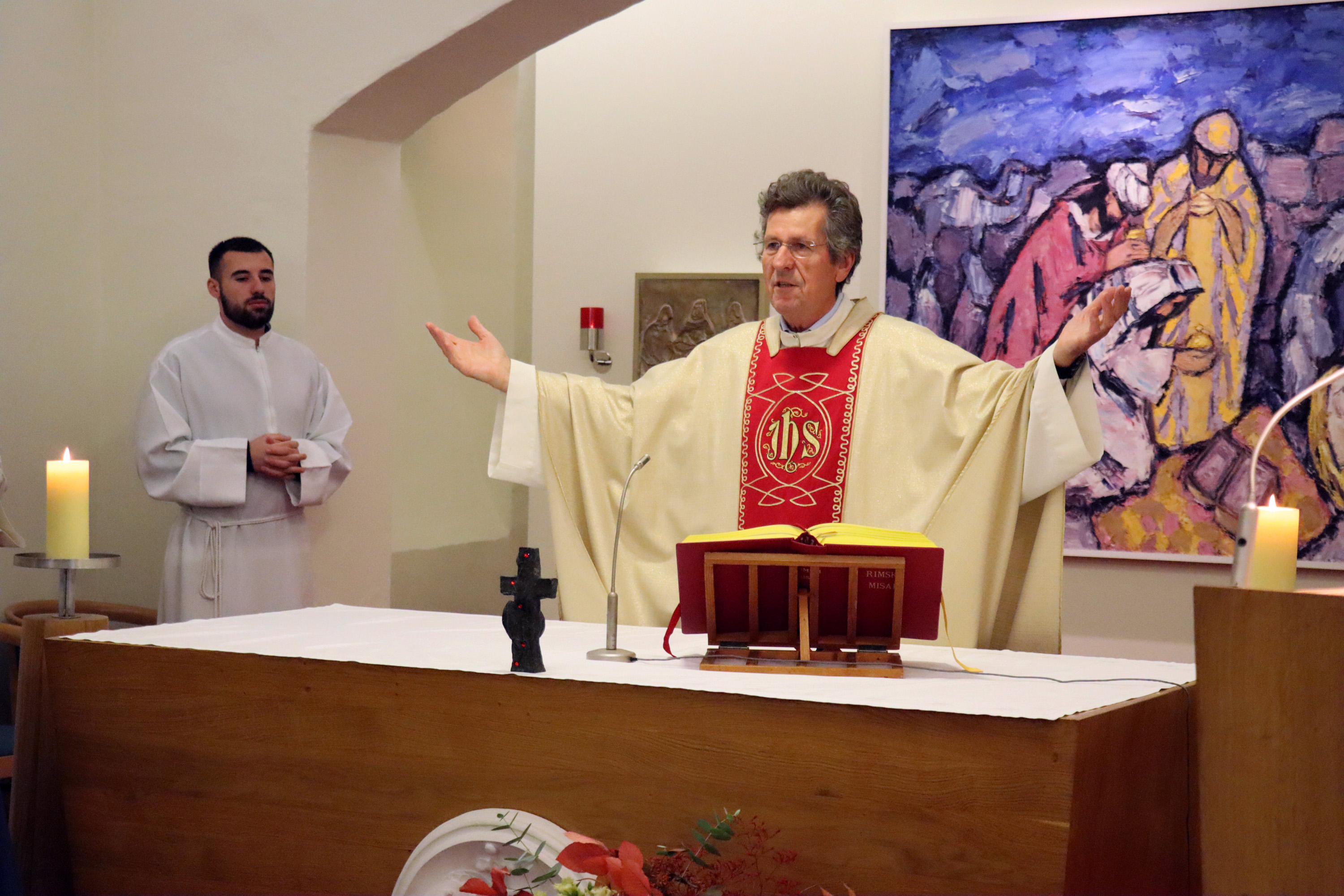
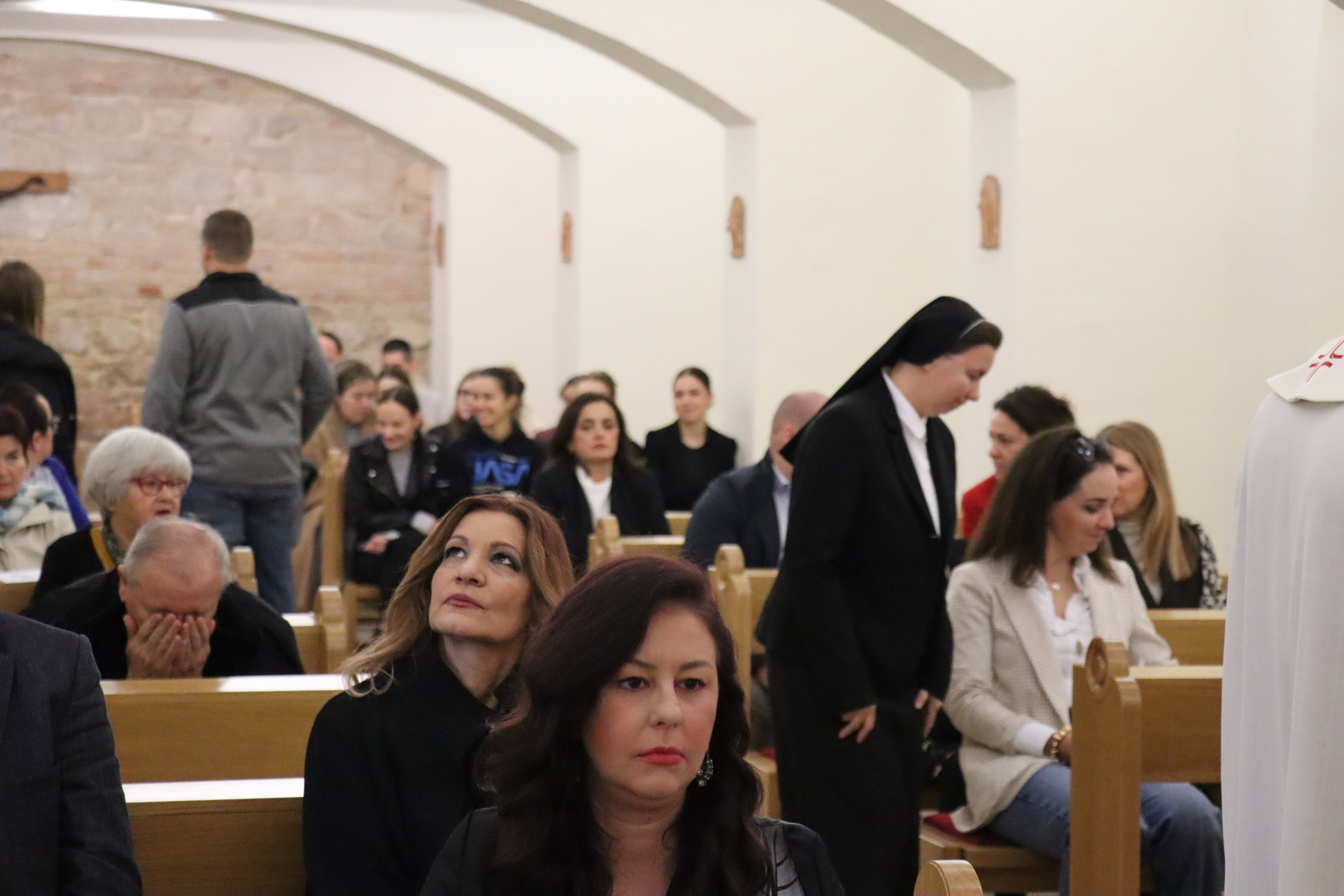
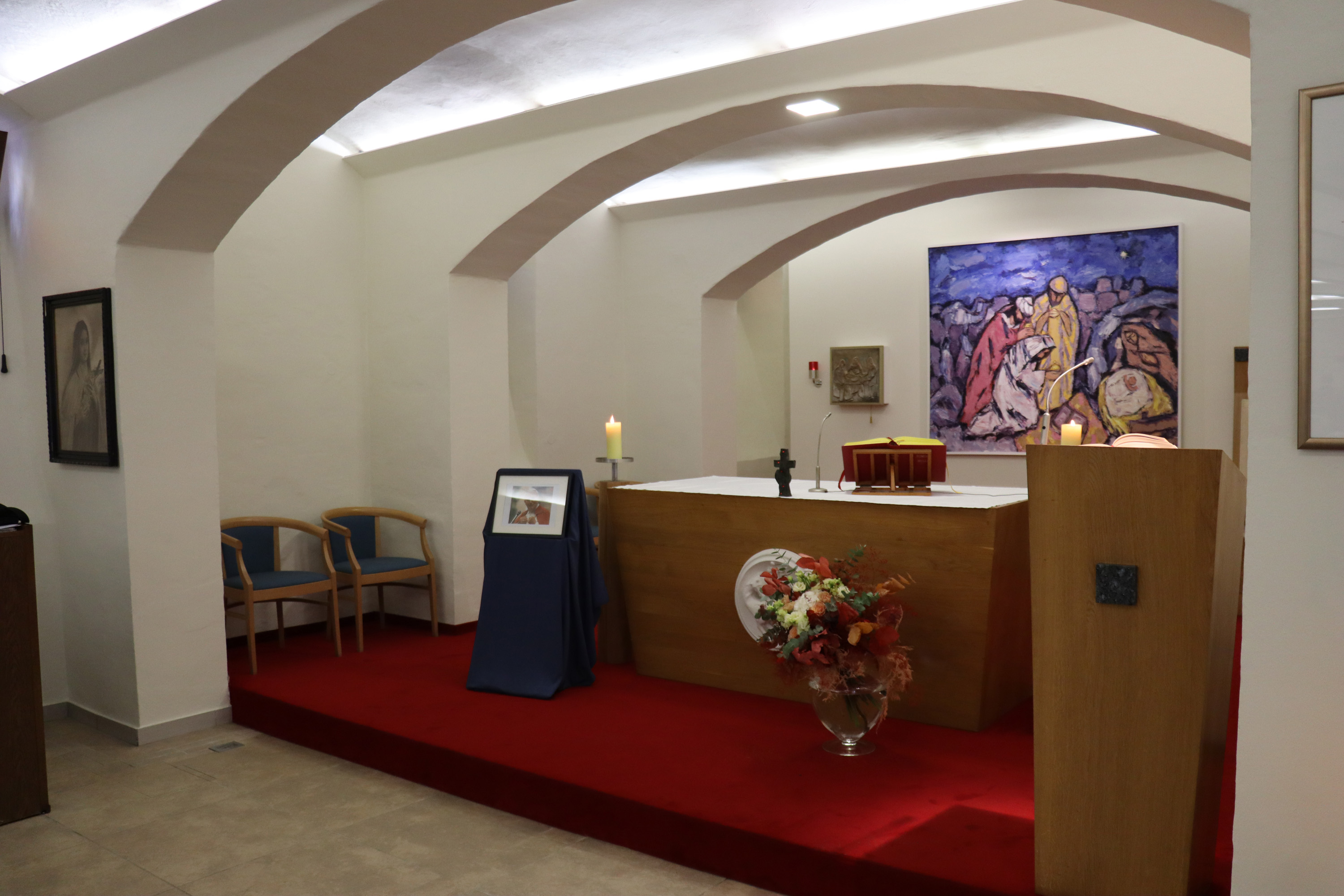
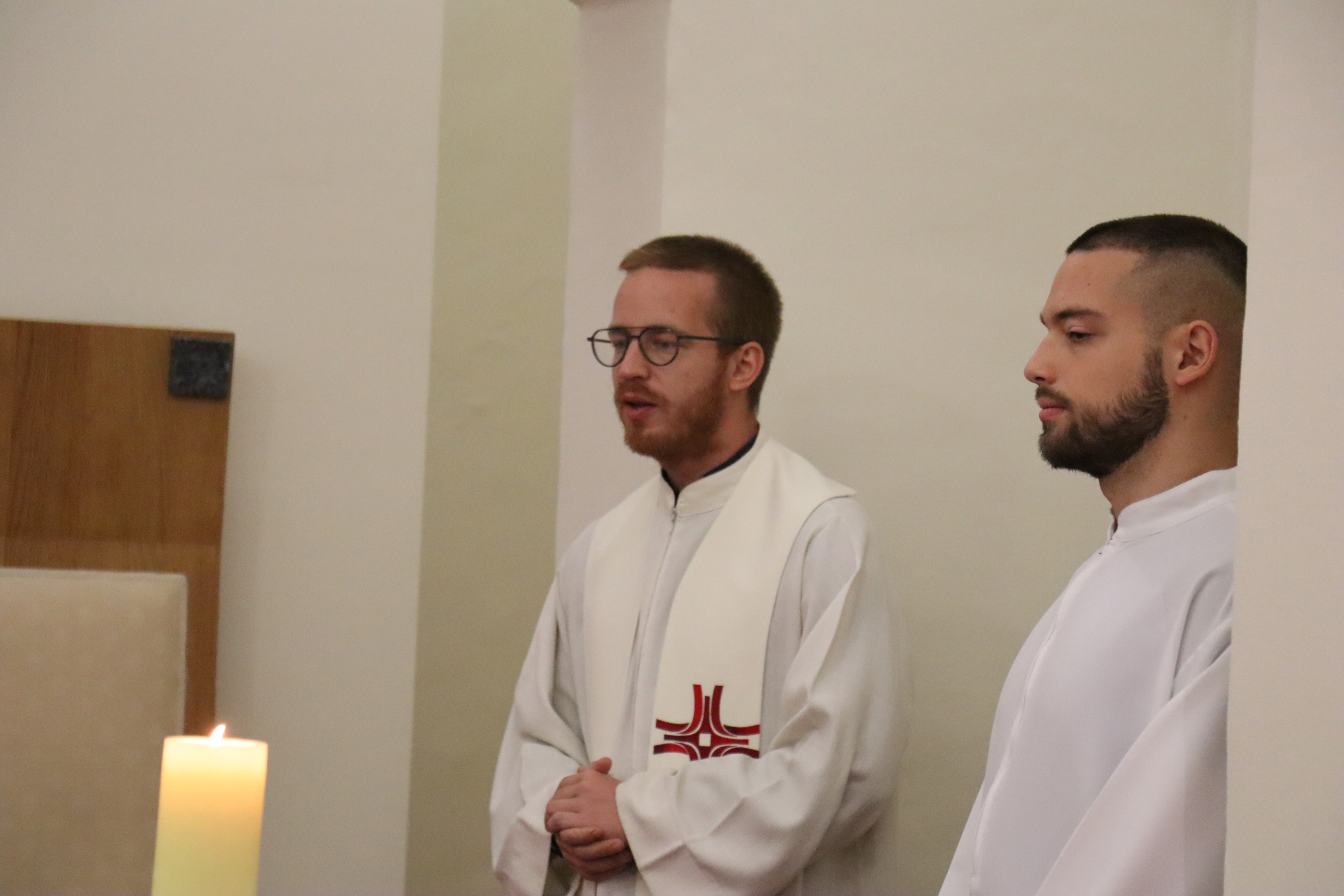
The Holy Mass was celebrated by Fr. Ante Vučković, concelebrated by Assoc. Prof. Richard Pavlić, PhD, from the University Department of Theology, and University Chaplain Rev. Branimir Jagodić
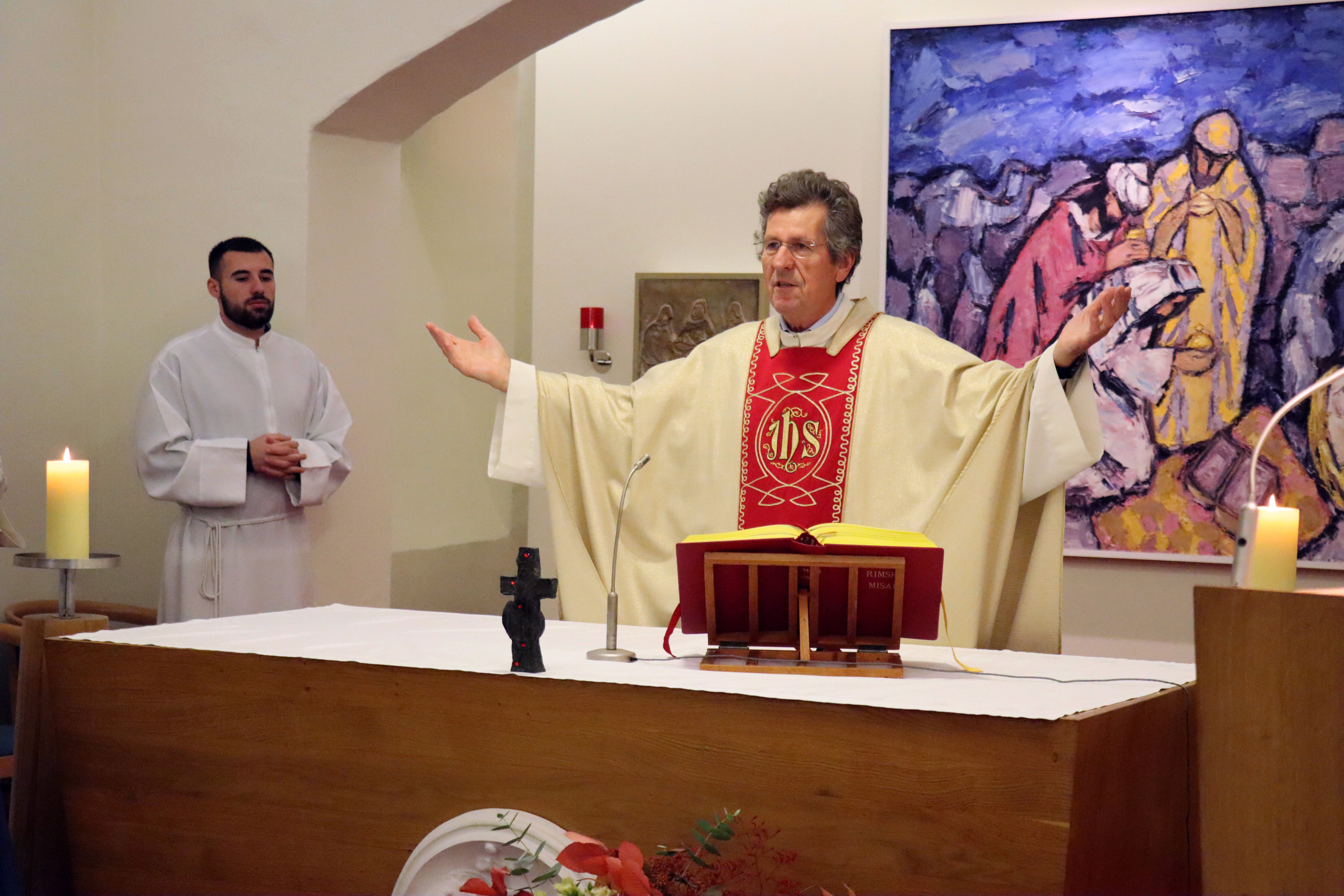
In his homily, Fr. Vučković emphasized: “Much has been given to you—much more than to others—and the responsibility for what you have received is great and important. This responsibility is not frightening by nature; rather, it fulfills you and gives you an essential task. The Gospel speaks of two ways of handling the gifts we have been given: we can be like servants who are grateful to their master and do what is required of them in the right way and at the right time, or like servants who forget their master and act as if they were in charge—serving their own interests and creating disorder, conflicts, and tension. The temptation of self-centeredness is very real in academia—individuals may try to use institutions only for their own advancement. That is why choosing how we relate to the gifts we’ve received is crucial: we must choose the path of the faithful servant in all that we do.”
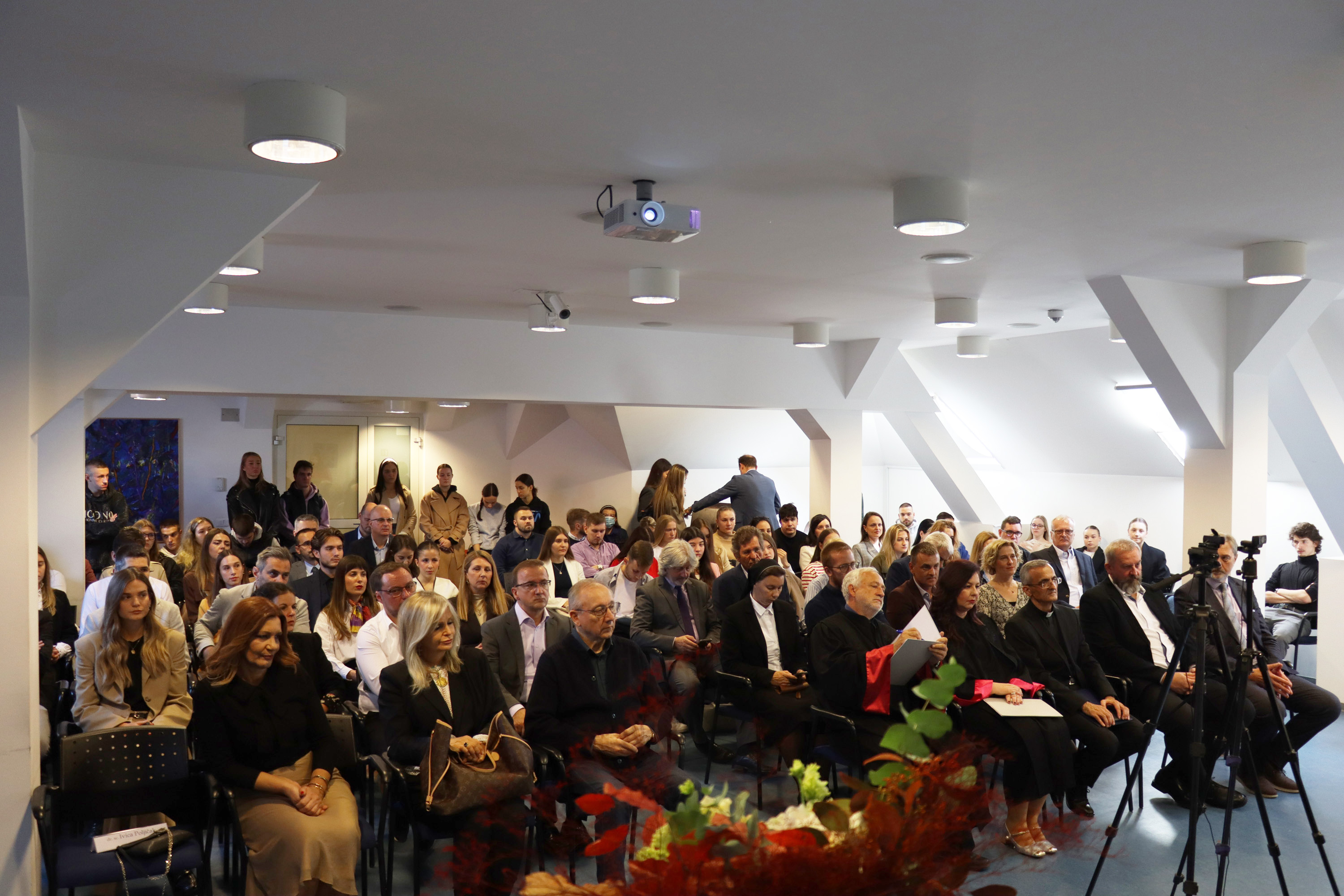
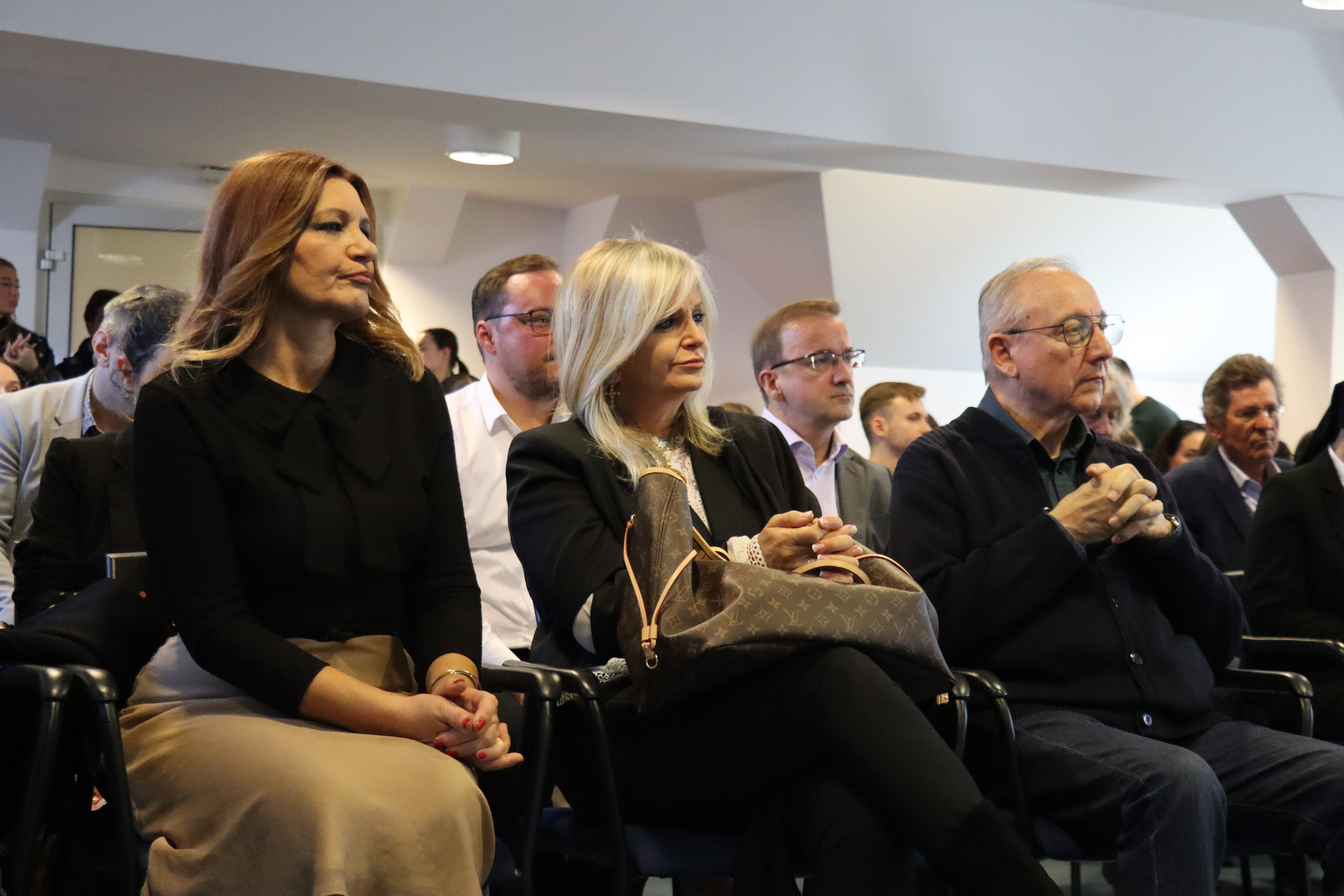
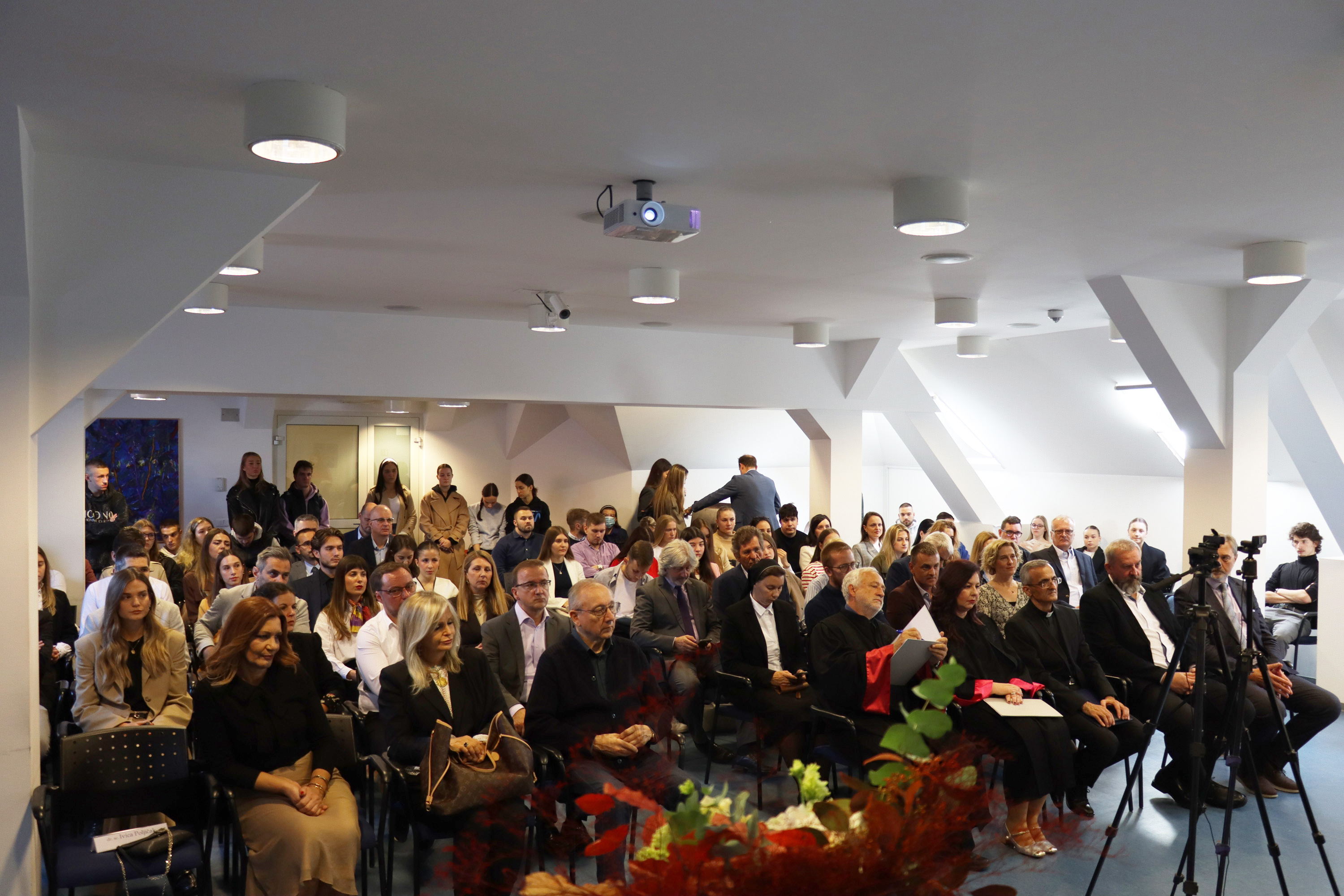
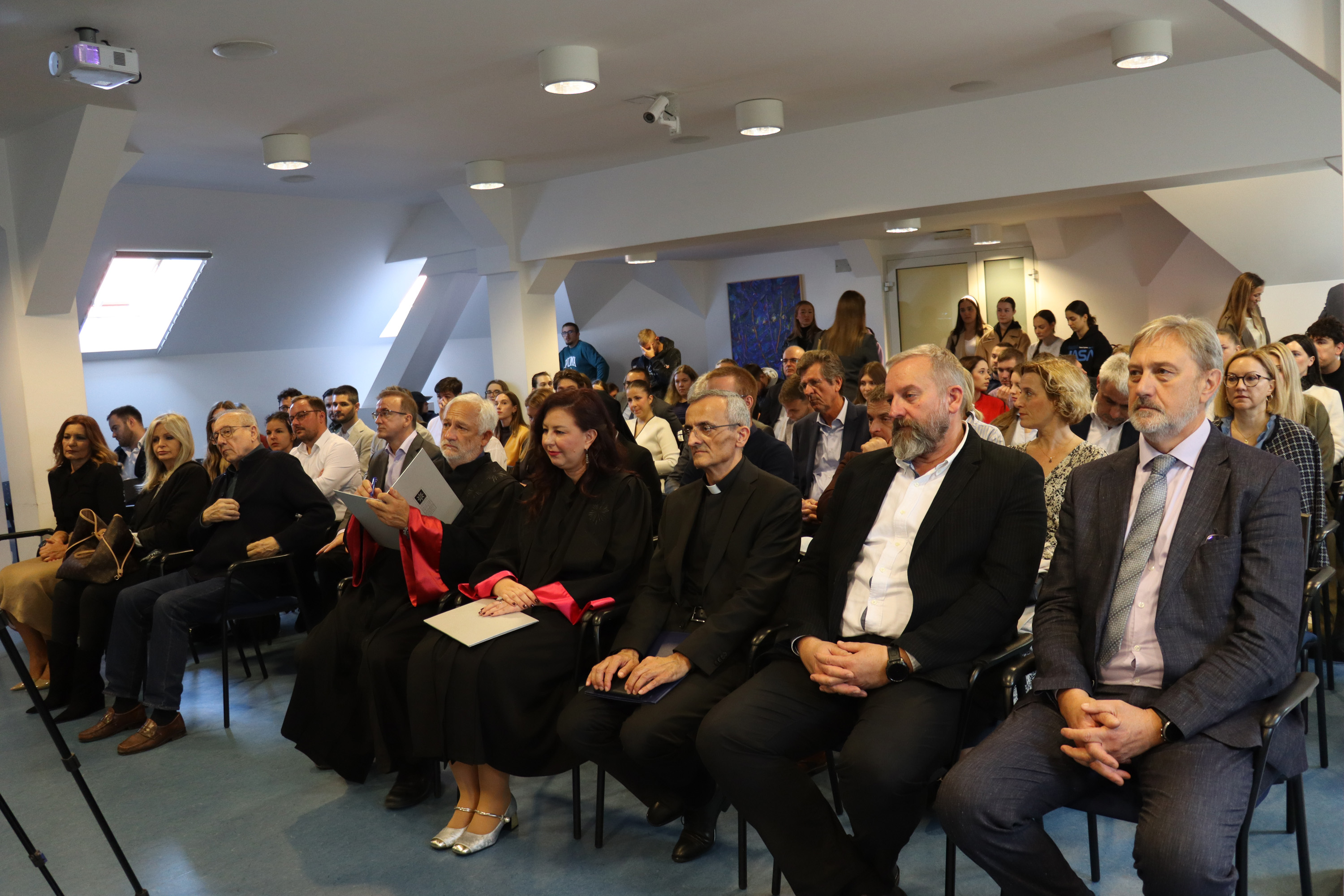
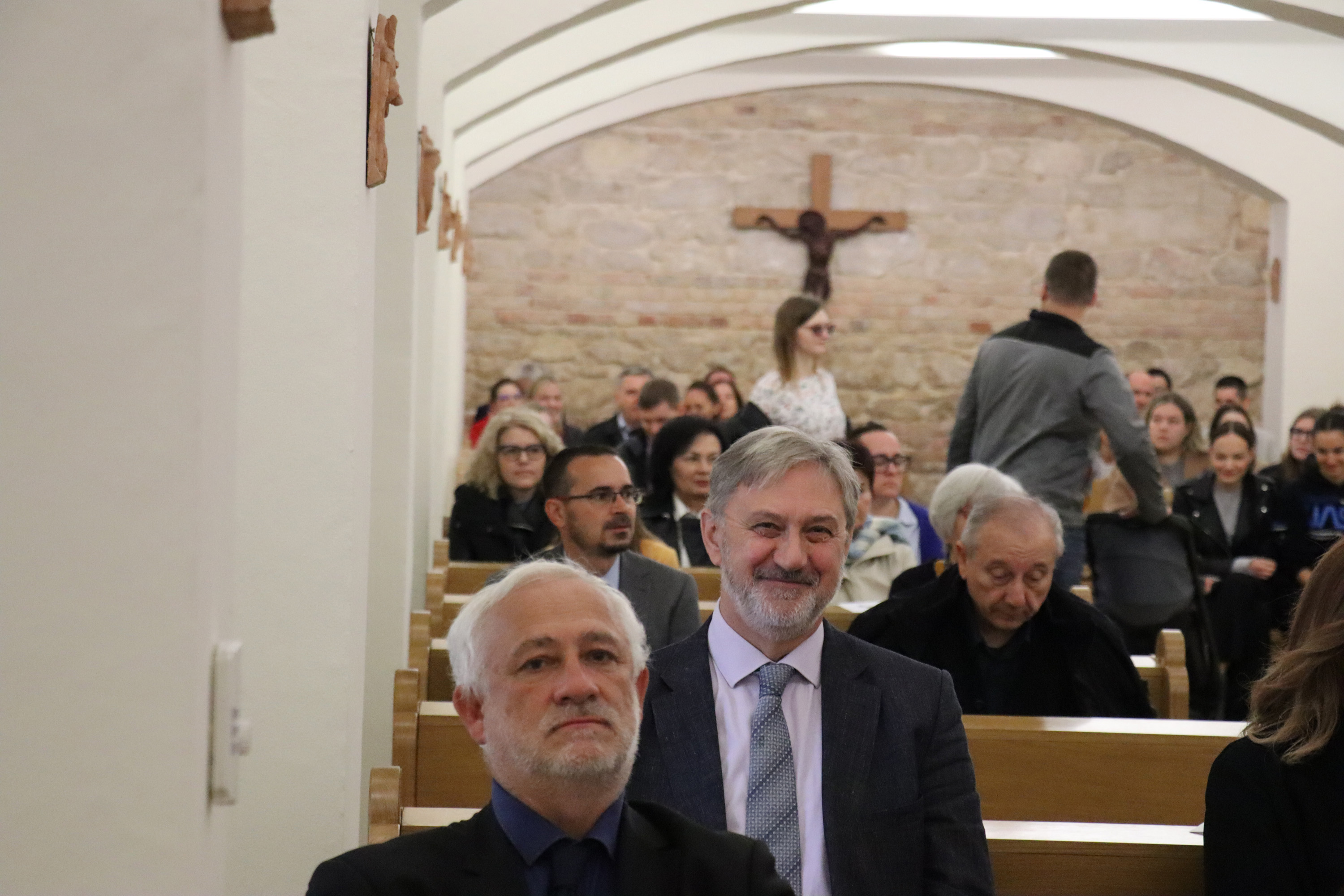
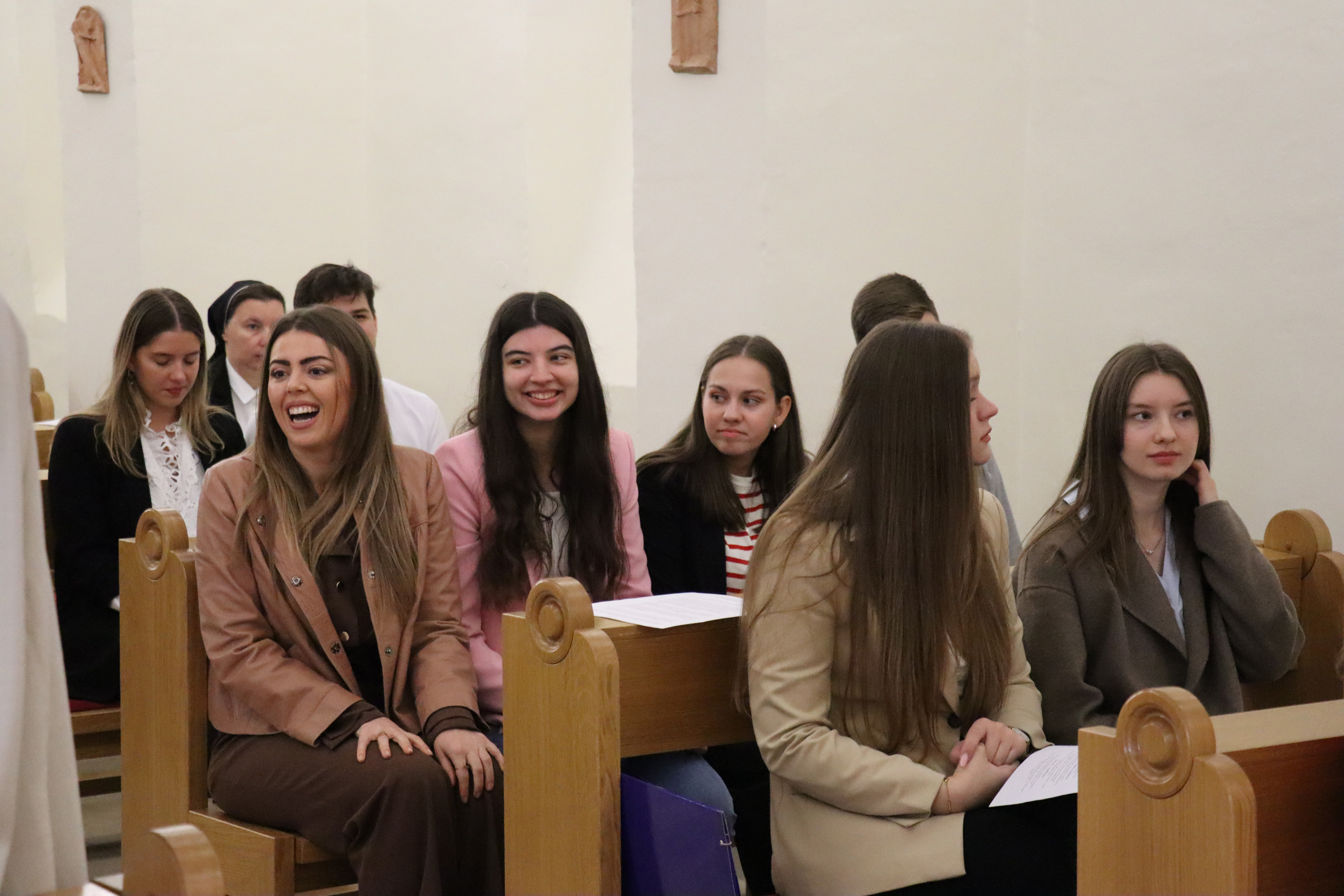
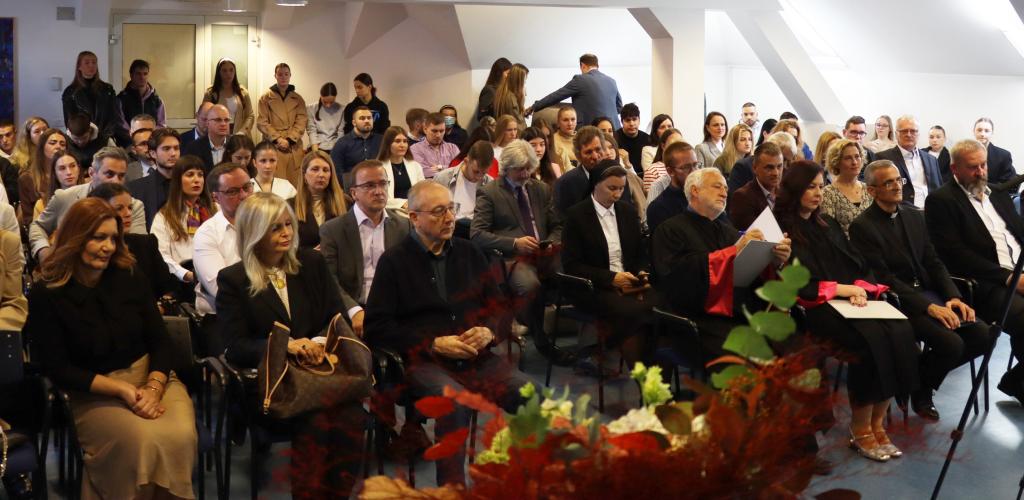
The celebration continued in the Blessed Alojzije Cardinal Stepinac Hall, attended by Vedrana Šimundža Nikolić, State Secretary at the Ministry of Justice, Public Administration and Digital Transformation; Ivica Poljičak, PhD, Special Advisor to the Minister of Culture and Media; Katarina Milković, MA, Director of the Agency for Education; representatives of the Faculty of Catholic Theology, University of Zagreb, including Assoc. Prof. Denis Barić, PhD, Head of the Institute of Religious Sciences; Prof. Fr. Ivan Karlić, PhD, Head of the Department of Dogmatic Theology; and Assoc. Prof. Sr. Ana Begić, PhD; Assoc. Prof. Mihaela Vranić, PhD, from the Faculty of Electrical Engineering and Computing, University of Zagreb. The event also gathered heads of university departments, deans and vice-deans of CUC faculties, professors, external associates, students, alumni, and numerous partners and friends from other academic institutions.
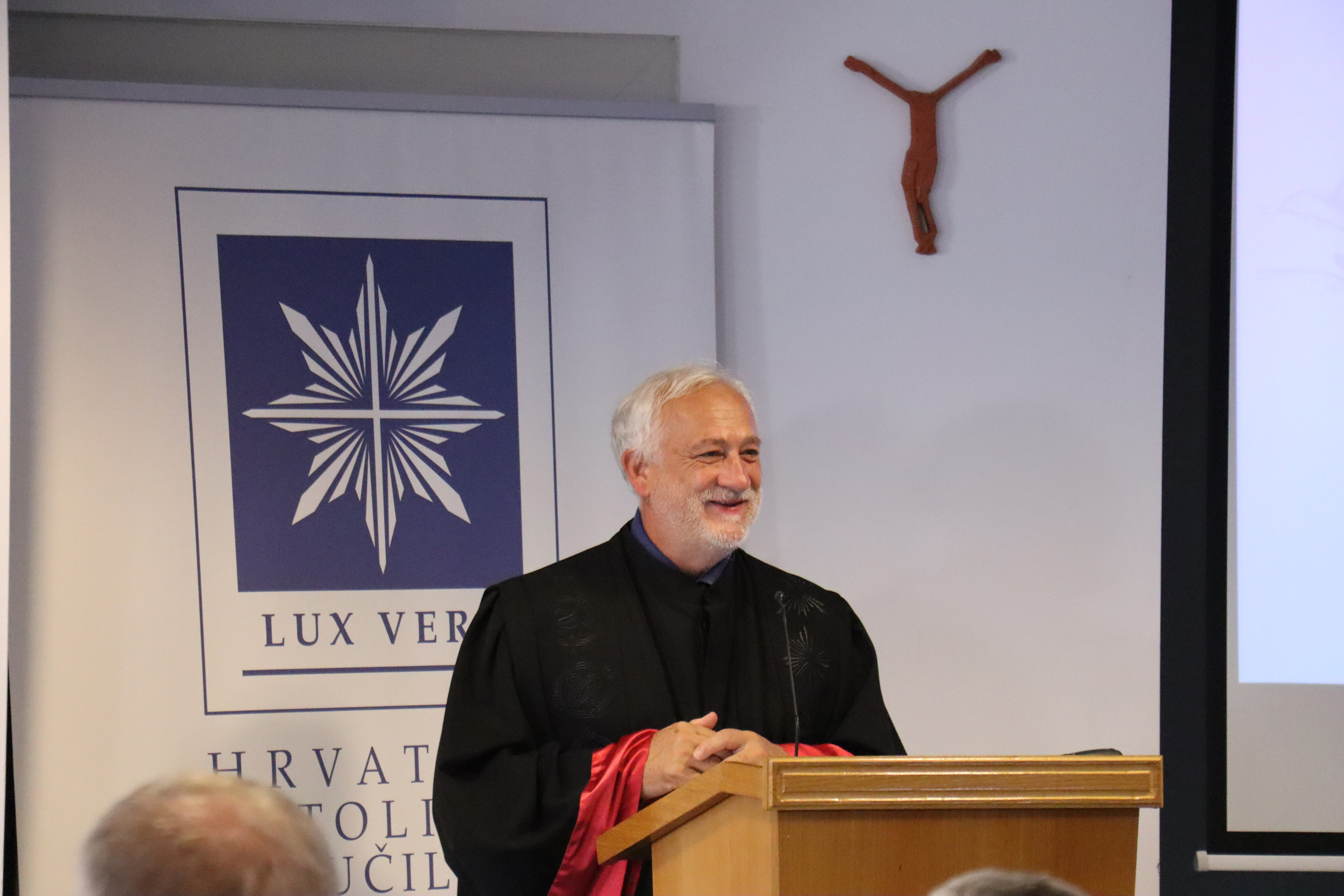
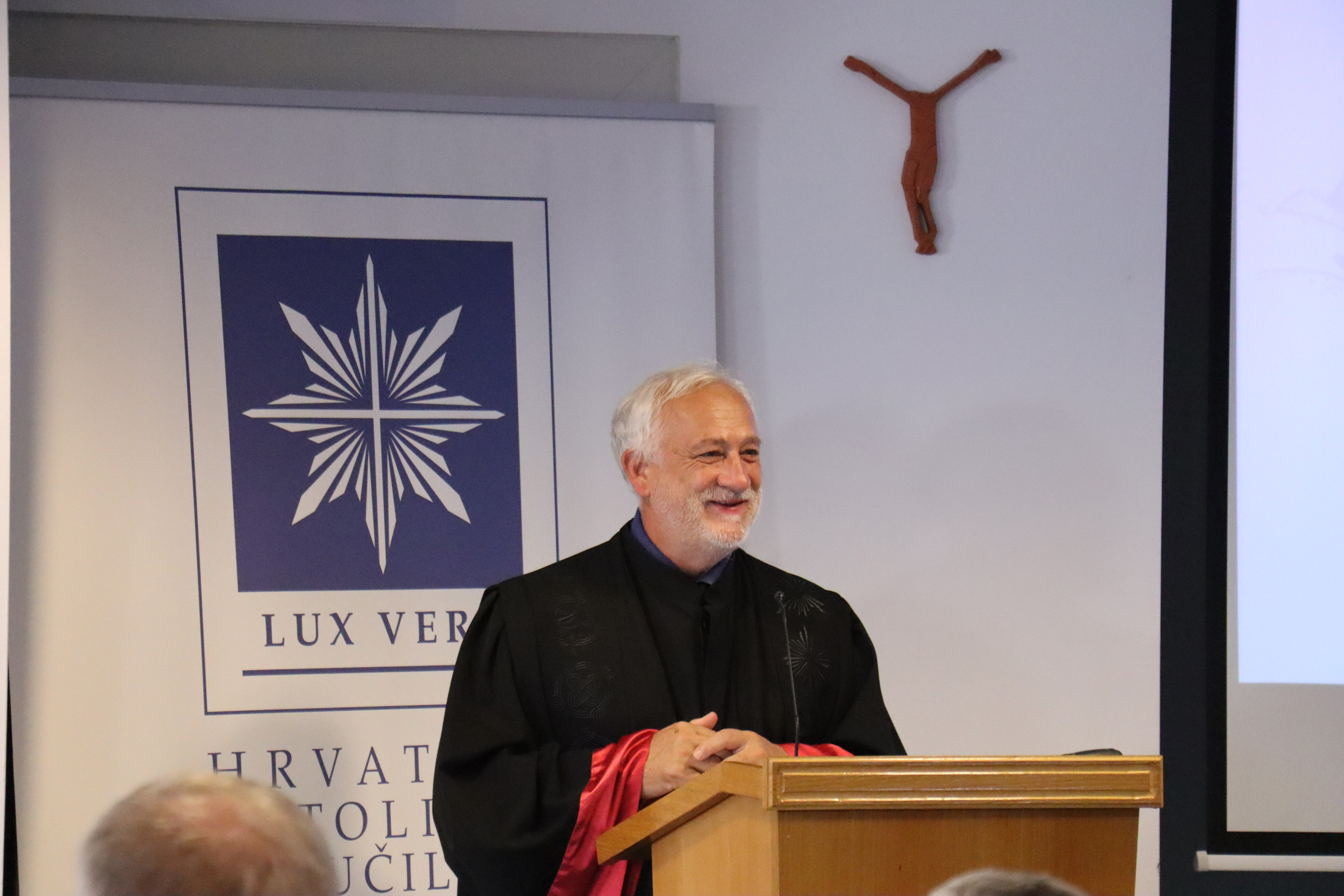
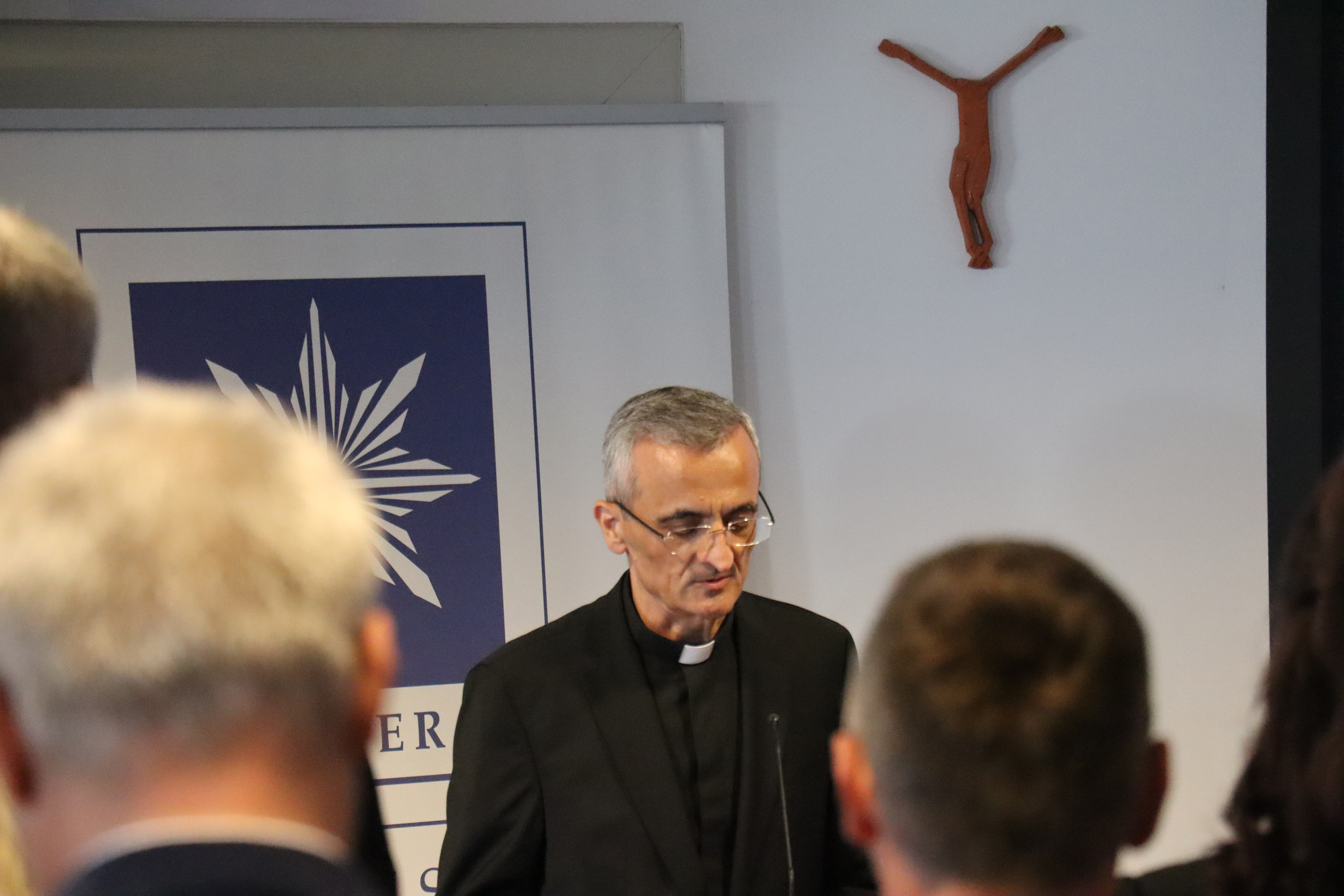
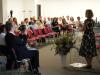
On behalf of the Catholic University of Croatia, Prof. Gordan Črpić, PhD, Vice-Rector for Organization and Business Affairs and the first Head of the Department of Sociology, welcomed all attendees and offered congratulations.
“One of the first three accreditations that enabled the University to operate was the one for the undergraduate and graduate programs in sociology, granted in 2008. We who worked on the program became so enamored with it that we were convinced students would immediately recognize it as the best. We set such high standards that in the first admission round, none of the 230 applicants were accepted. In the autumn round, we came back to reality, enrolled 43 students, and began our work. Why were we so passionate about the program? When designing it, we studied what worked well in existing sociology programs and what could be improved, as well as the structure of top sociology programs worldwide. Our conclusion was that the focus should be on professional practice—since only 3–5% of graduates pursue scientific research, we wanted to prepare students for a broad range of emerging professions that were then only beginning to appear. The beginnings were challenging, but today the program is so well-established that it’s hard to remember those early struggles,” concluded Črpić.
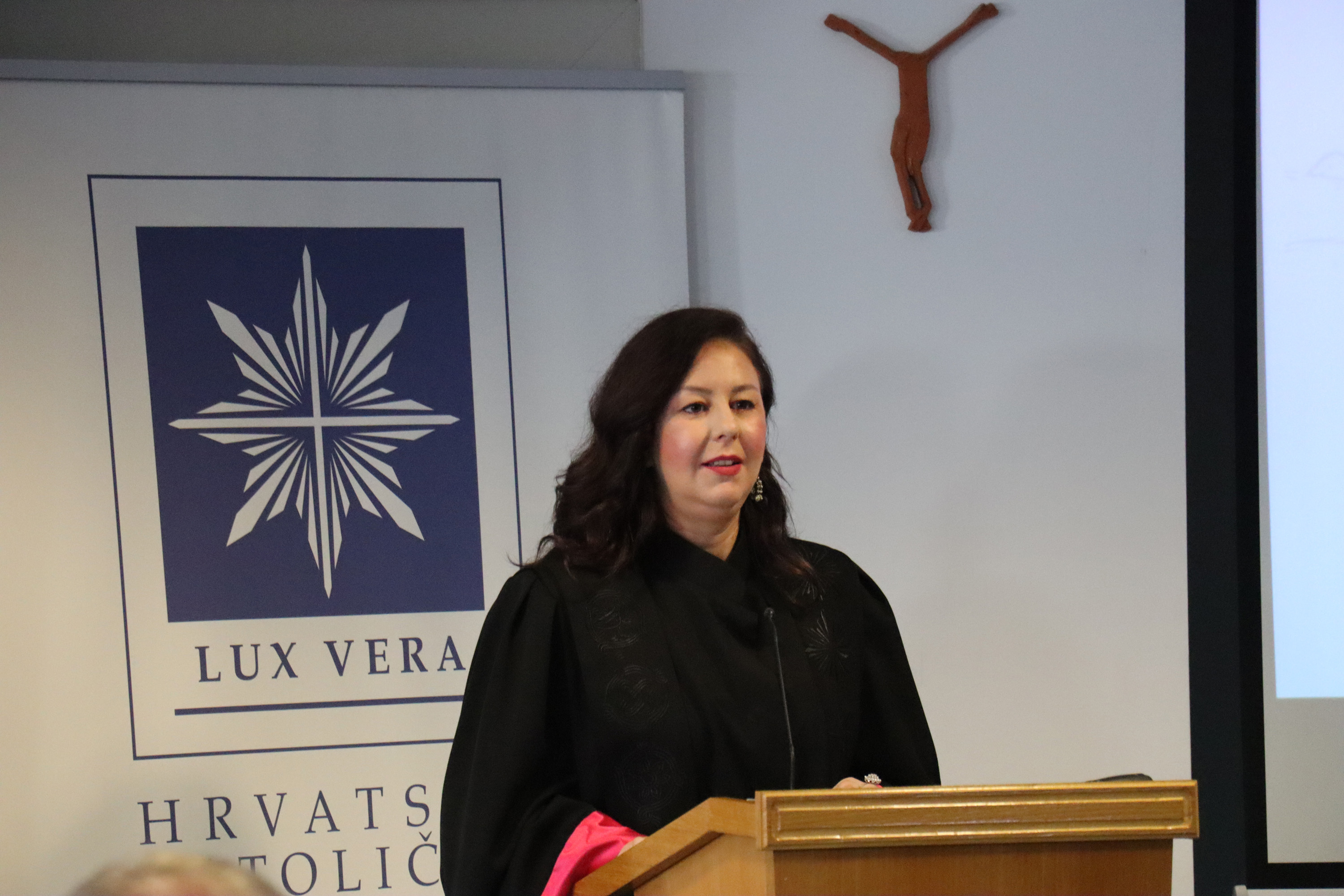
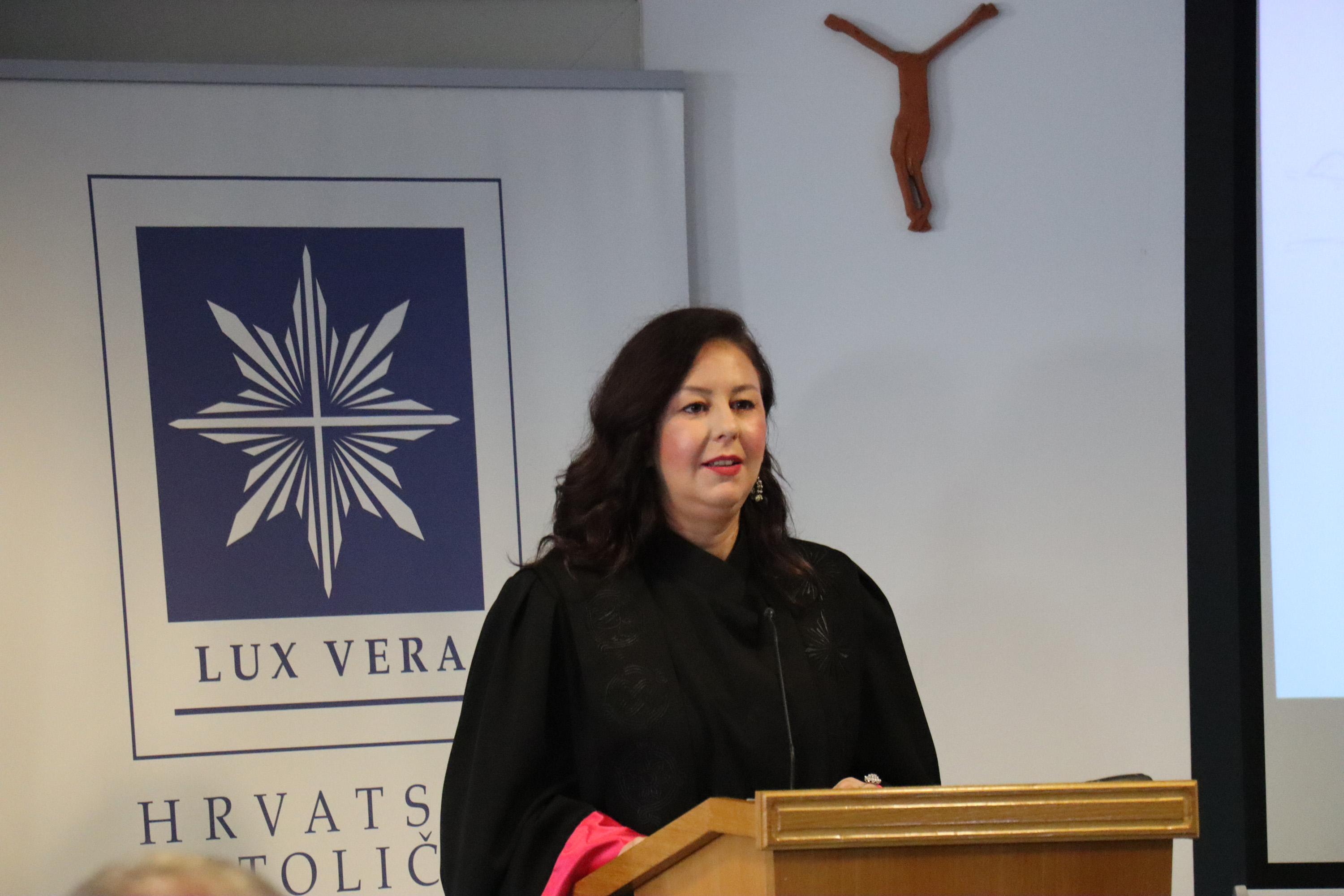
Assoc. Prof. Ivana Brstilo Lovrić, PhD, Head of the Department, greeted the audience and presented the department’s activities from the previous academic year. She highlighted that the undergraduate sociology program had filled its enrollment quota entirely, two new graduate programs had been launched, and numerous activities had been organized, including round tables, summer schools, BIP programs, Erasmus+ exchanges, career education workshops, collaborations with partner companies, and many others.
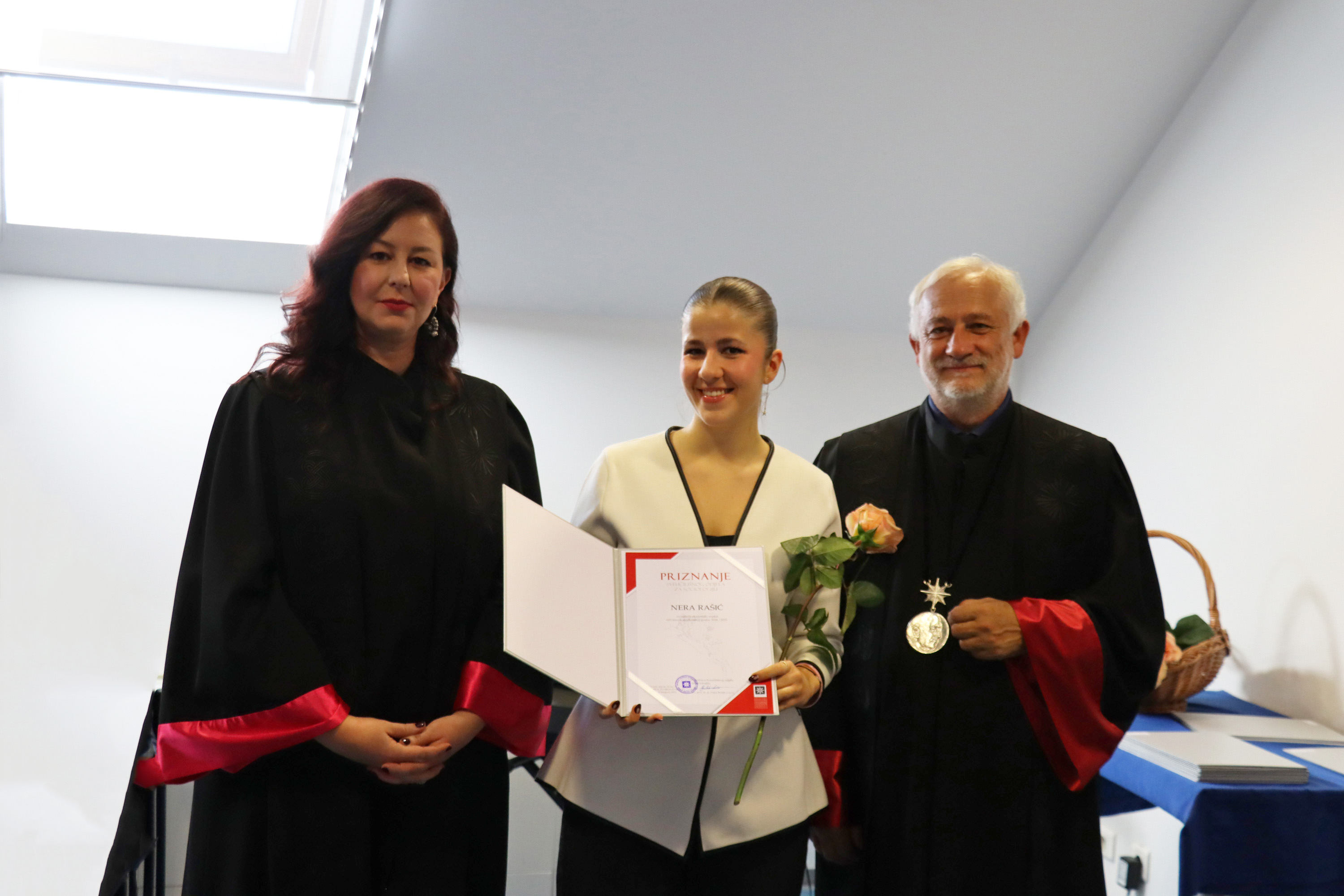
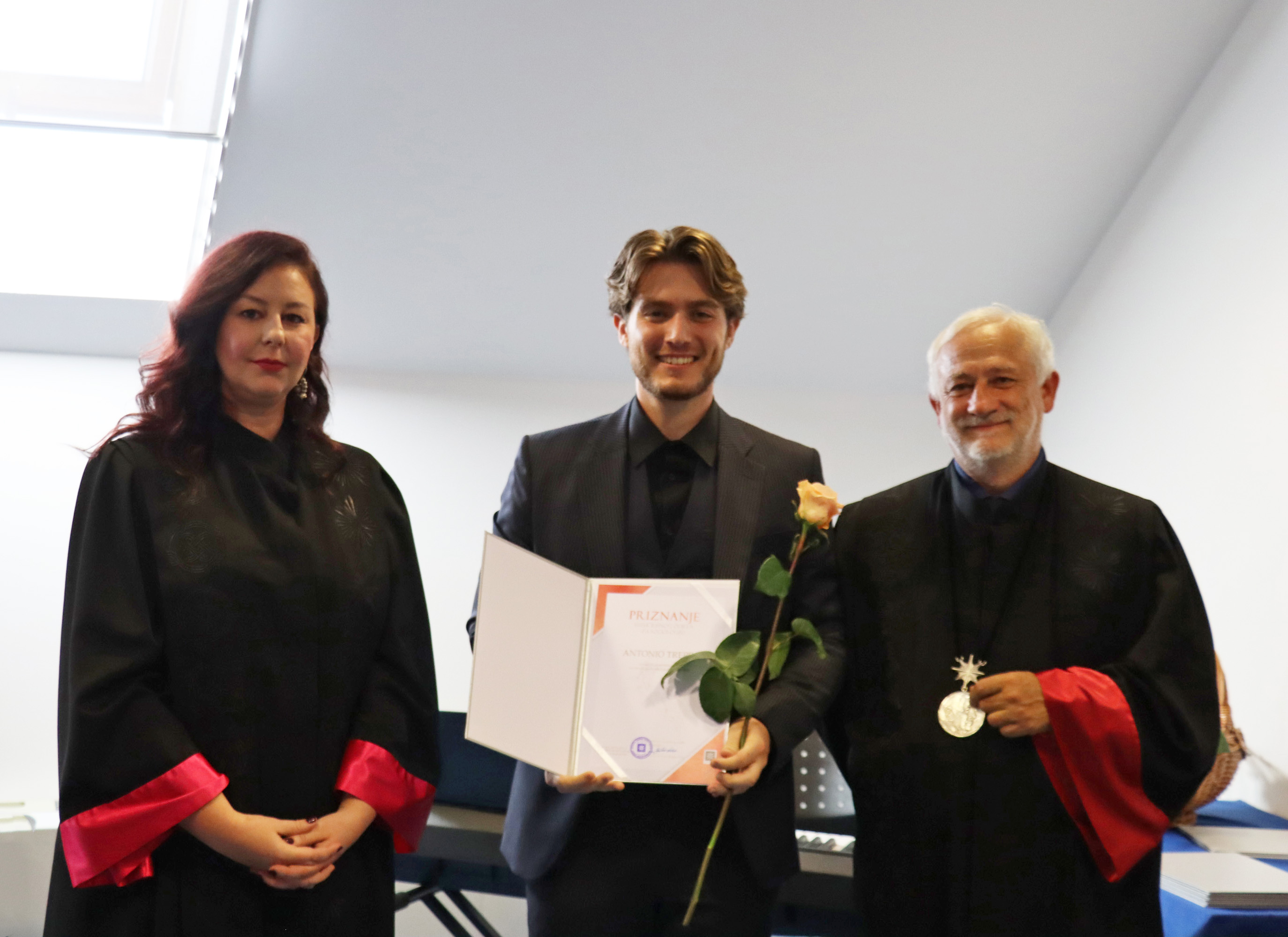
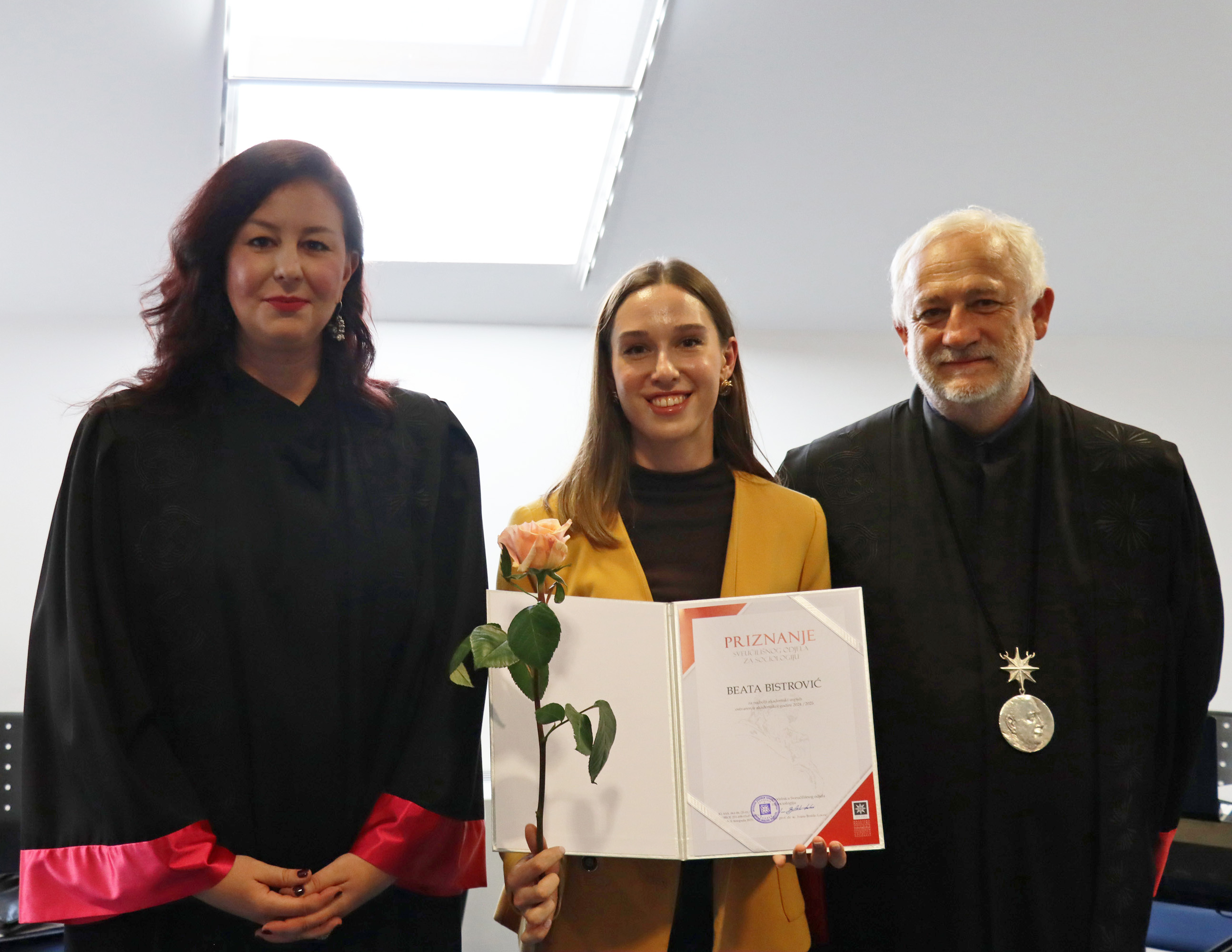
As part of the celebration, student awards were presented in three categories: best academic achievement, best master’s thesis, and outstanding extracurricular engagement.
Best Academic Achievement Awards for the previous academic year were presented to:
Nera Rašić (1st year undergraduate, GPA 4.754)
Ivana Maslać (2nd year undergraduate, GPA 4.729)
Jelena Hrgović (3rd year undergraduate, GPA 4.450)
Antonio Treppo (1st year graduate, GPA 4.750)
Beata Bistrović (2nd year graduate, GPA 4.533).
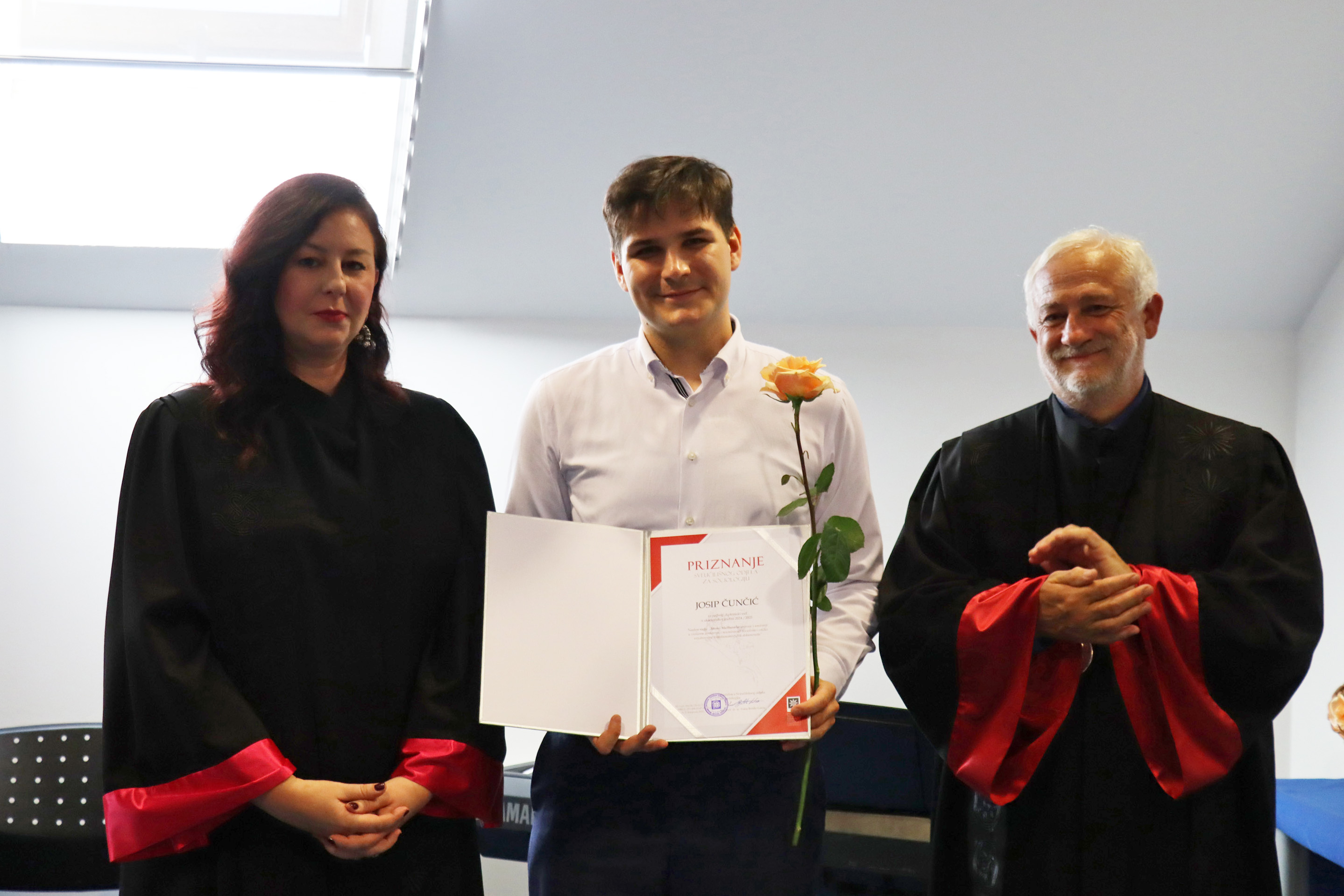
The Best Master’s Thesis Award went to Josip Čunčić for his thesis “Homo Matuzala: Aging and Dying in an Age of Non-Aging and Non-Dying? A Sociological and Ethical Evaluation of Transhumanist Documents,” supervised by Prof. Jasna Ćurković Nimac, PhD, and Assoc. Prof. Ivana Brstilo Lovrić, PhD.
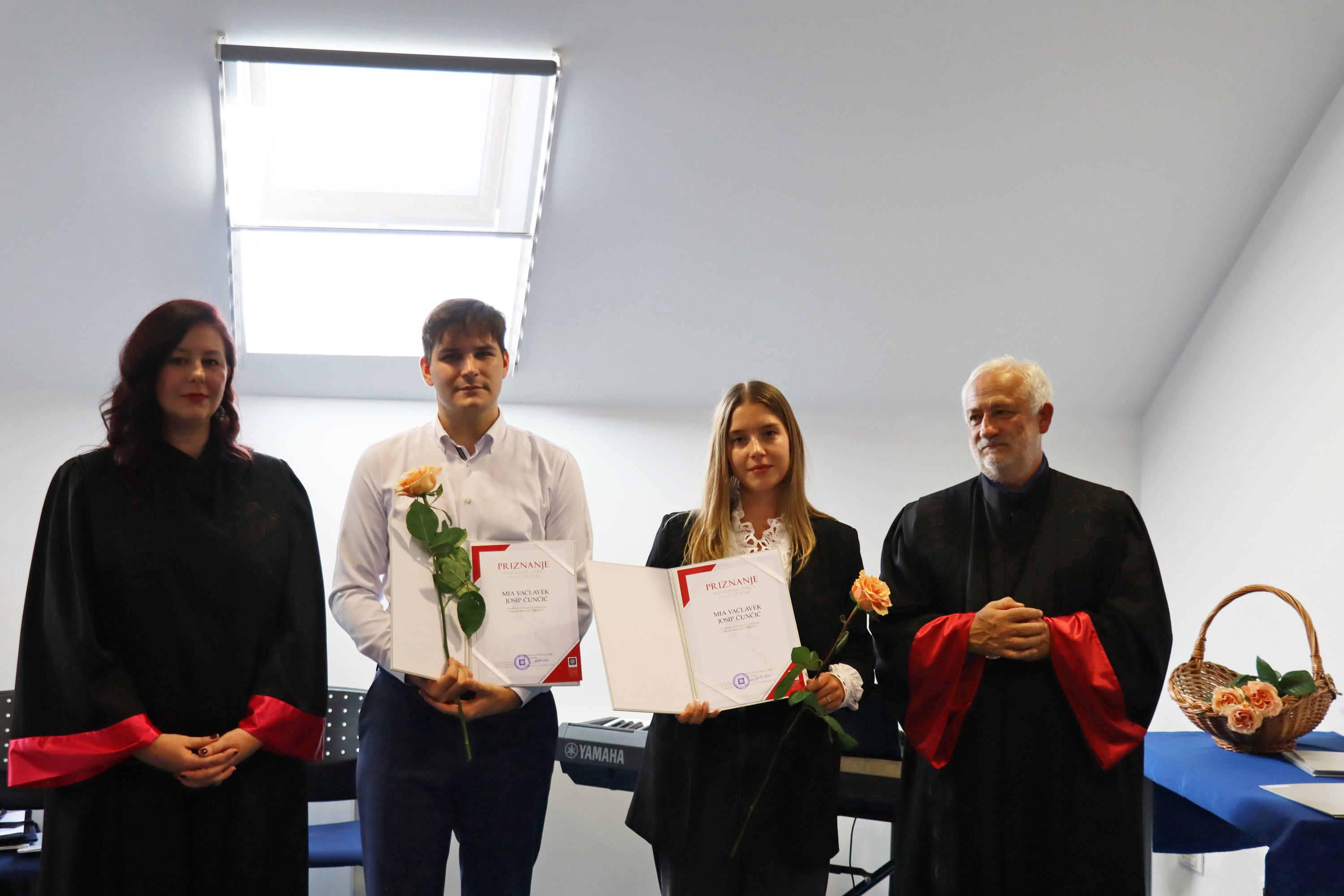
The Outstanding Extracurricular Engagement Award was given to Mia Vaclavek and Josip Čunčić for their volunteer work and contributions to improving the quality of student and academic life, with a special focus on enhancing support for students with disabilities.
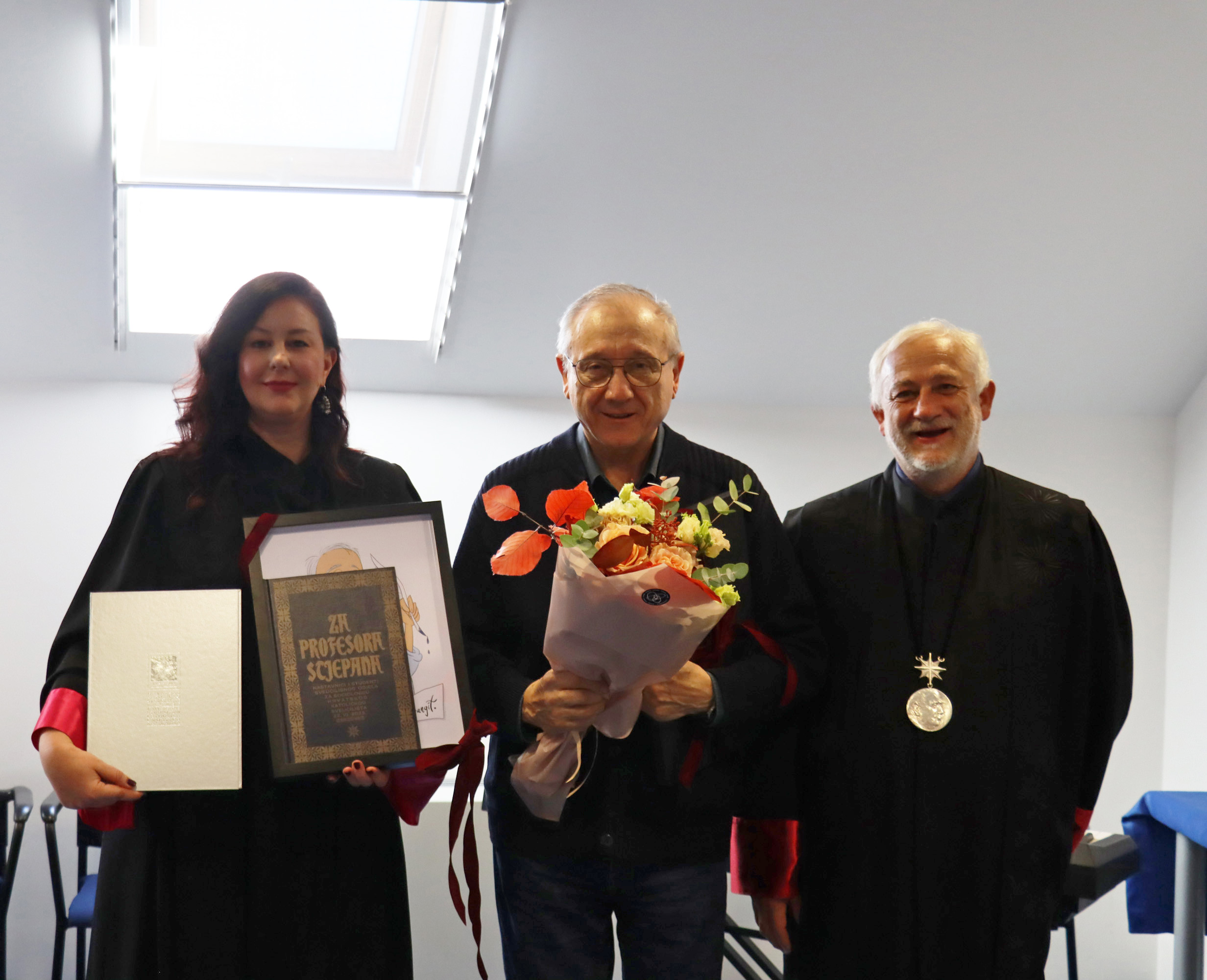
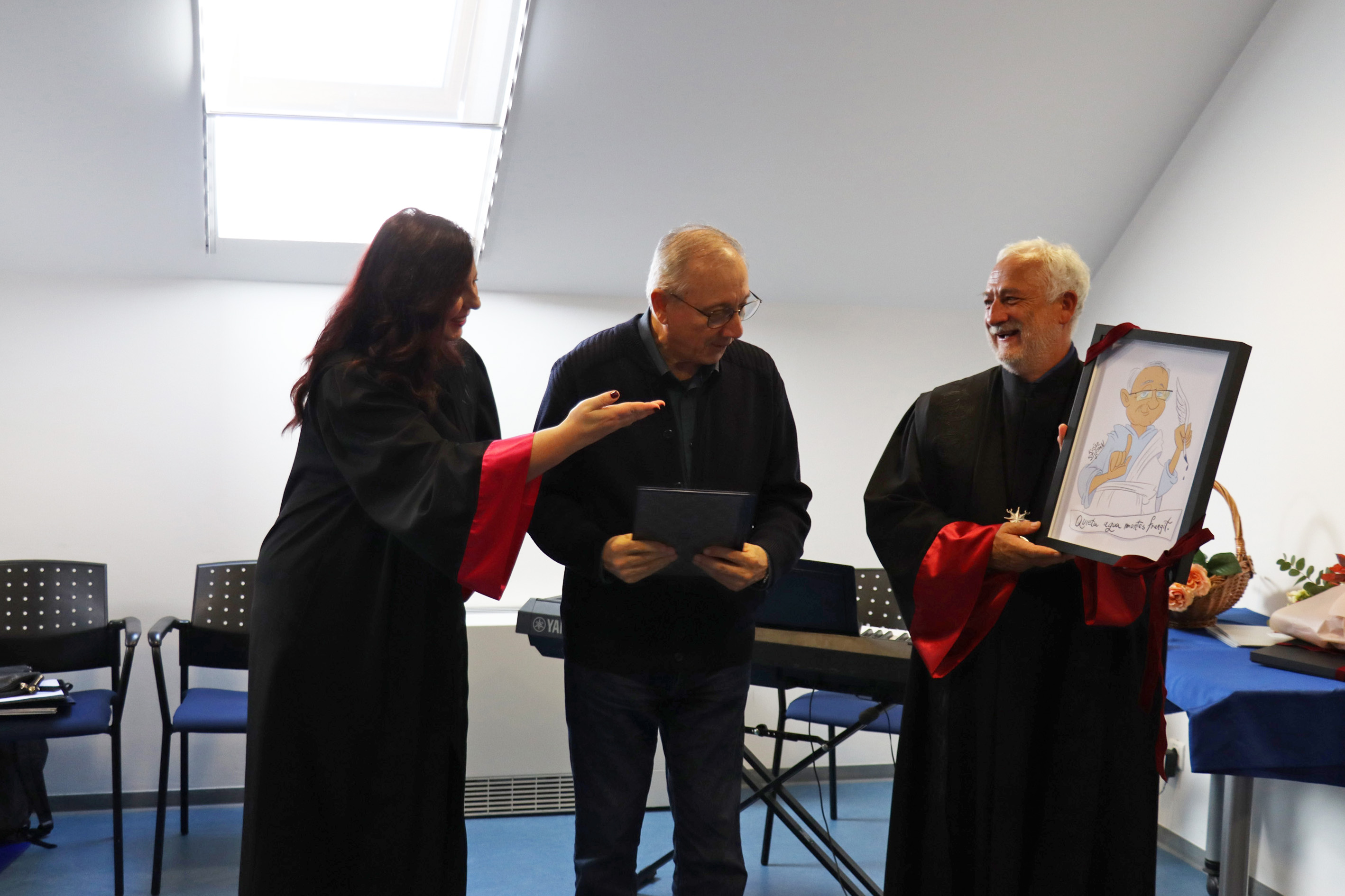
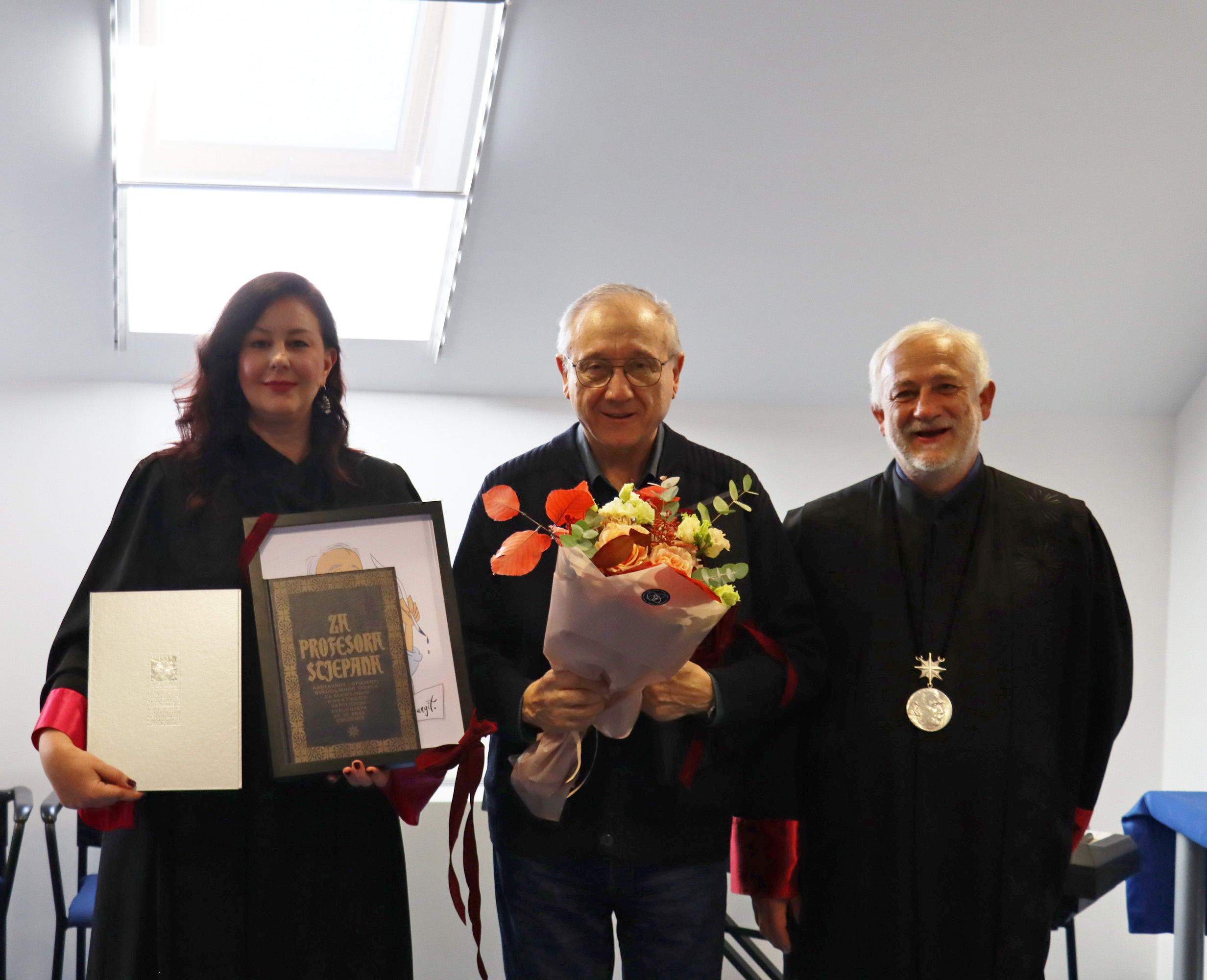
A special recognition was also presented to Prof. Stjepan Kušar, PhD, in appreciation of his lasting impact on generations of students and his inspiring teaching that awakened interest in philosophy, theology, and sociology.
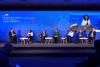
The program concluded with a scientific conference titled “Artificial Intelligence and Social Change.” Sessions included “Artificial Intelligence and Society – Everyday Life, Work, and Science” and “Artificial Intelligence and Posthumanism, Ethics, and Social Inequality.”
Panel discussions explored topics such as:
- The use of artificial intelligence in the daily lives of Croatian citizens
- The impact of AI on Croatia’s demographic trends and labor market
- The role of AI in scientific research
- Concepts of posthuman life
- Toward a posthuman society? Readiness of Croatian citizens for technological body enhancement
- Trust in artificial intelligence and its acceptance in Croatian society
- Digital social inequality and generative AI