Share
Interview with Assist. Prof. Miriam Mary Brgles on Three-Generation Families
Assist. Prof. Miriam Mary Brgles, PhD, from the University Department of Sociology at the Catholic University of Croatia, gave an interview to the portal mirovina.hr in which she discussed issues related to three-generation families—those consisting of grandparents, parents, and children—their presence in Croatia, and related sociological topics.
Below we reproduce in full the text originally published on mirovina.hr:
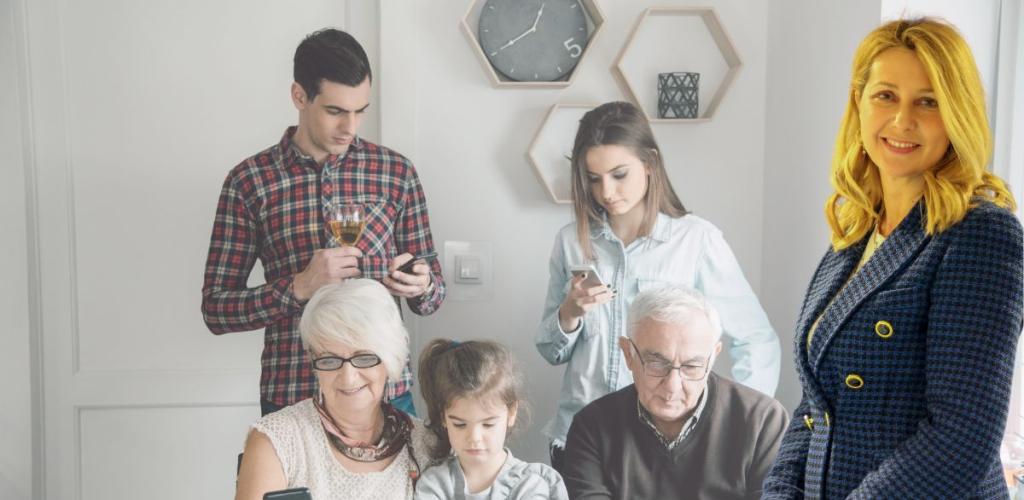
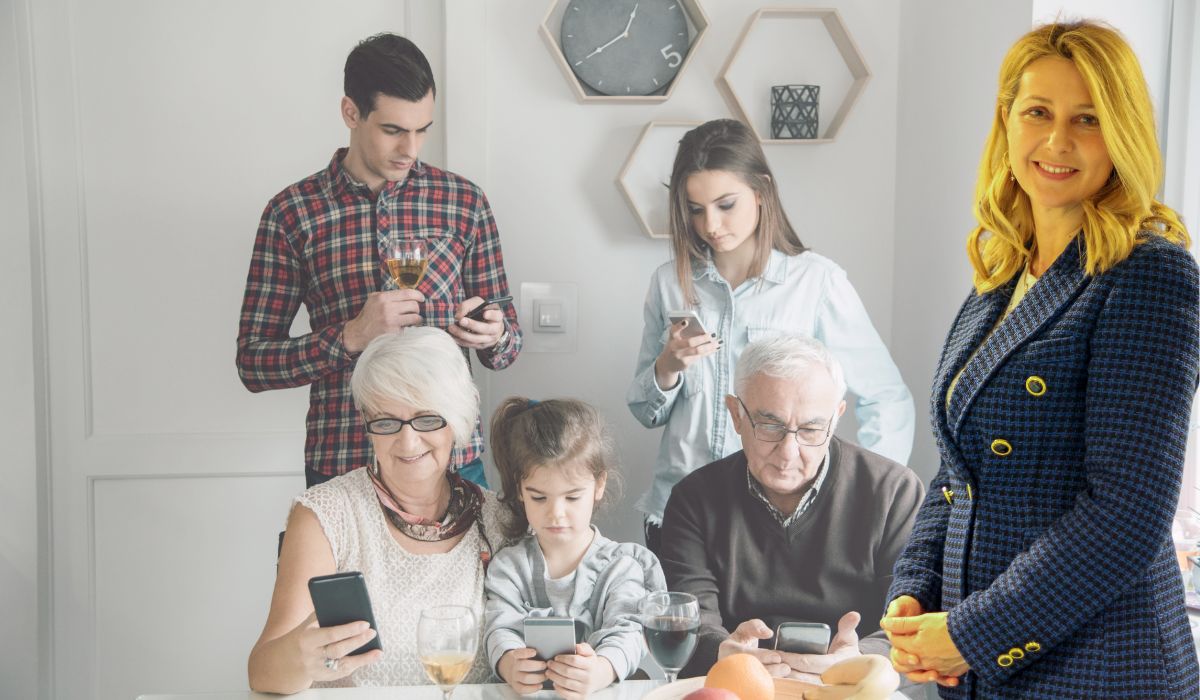
Three-generation families, which include grandparents alongside parents and children, are still present in Croatia. Even if they may not live “under the same roof,” there is still mutual care and support among them, as noted by sociology professor Miriam Brgles. The benefits are evident in childcare and elder care, the strengthening of family identity, and socialization. On the other hand, such arrangements can also involve more frequent conflicts and the possibility of dominance or control by one of the family members.
In the past, life with three generations living in the same household was a “classic” way of living. In Croatia, although less common than before, it is still not unusual for grandparents to live with their children and grandchildren. Sociology professor Miriam Brgles from the Catholic University of Croatia (CUC) explained to the portal Mirovina.hr how families today differ from those in the past when everyone lived together, as well as the benefits and drawbacks of shared life among grandparents, parents, and children.
Benefits visible in caring for children and the elderly
Families today differ in many aspects from traditional three-generation families of the past. Nevertheless, in Croatia it remains characteristic that, alongside nuclear families consisting of a mother, father, and children, there are still three-generation families in which grandparents are present. Even if they live in separate households, manage finances or food separately, and lead different lifestyles, they still live “under the same roof,” as professor Brgles emphasized.
“The effects of multigenerational families can be seen in mutual care and support. For example, grandparents take care of grandchildren while parents work, or the family provides care for an elderly or ill member. The benefits of such living arrangements are primarily evident in caring for vulnerable family members—children, the elderly, persons with disabilities—as well as in intergenerational support. In three-generation families, family identity is strengthened, along with traditional values and socialization,” said the sociologist.
“Traditional families persist in Croatian society”
“The results of one study have also shown that behaviors and attitudes are successfully transmitted between generations, so it can be said that multigenerational families have additional capital. In them, not only norms and values are passed on, but also culture, knowledge, and insights into contemporary social problems, as well as the history and culture of the community. On the other hand, negative aspects of life in three-generation families include potentially more frequent conflicts or greater financial burdens for certain members, as well as the possibility of dominance, control, or power exercised by a particular member, which can disrupt shared life,” explained professor Brgles.
Although families have faced various challenges and pressures for decades and have become increasingly vulnerable in social terms—being directly dependent on political and economic conditions, as well as narratives that promote individualism—the sociologist explains that in Croatian society, the values of the traditional family continue to persist.
“At the same time, the number of single-parent families is increasing, and according to the 2021 Census, of the total number of families with children, 52.5 percent consist of families with only one child, which indicates a departure from traditional family models. In this context, I see motherhood as the most vulnerable area, because in work environments the value, responsibility, and demanding nature of motherhood are still not sufficiently recognized. Therefore, it is necessary to continue developing legal regulations in order to further strengthen parental rights and ensure economic stability for young families,” emphasized professor Brgles.
“Children should care for their frail parents”
The results of the European Values Study, conducted in several waves, have shown that most respondents do not consider marriage an outdated institution and that fidelity and children are highly valued within marriage. Professor Brgles states that in her own surroundings she sees many young families who identify themselves as liberal in principle, yet live very traditional lives, valuing family togetherness, children, marital (or partnership) fidelity, and economic cooperation with their parents.
“To this we should add that, according to the results of the same study, the vast majority of respondents agree or completely agree with the statement that children should care for their frail parents, as well as with the statement that one of their most important life goals is for their parents to be proud of them,” concludes sociology professor Brgles from the Catholic University of Croatia.
The text was taken from the following link:
https://www.mirovina.hr/price/sociologinja-o-tri-generacije-obitelji-bake-i-djedovi-brinu-o-unucima-dok-roditelji-rade/