Share
Associate Professor Filip Galović, PhD, at the University of Pécs
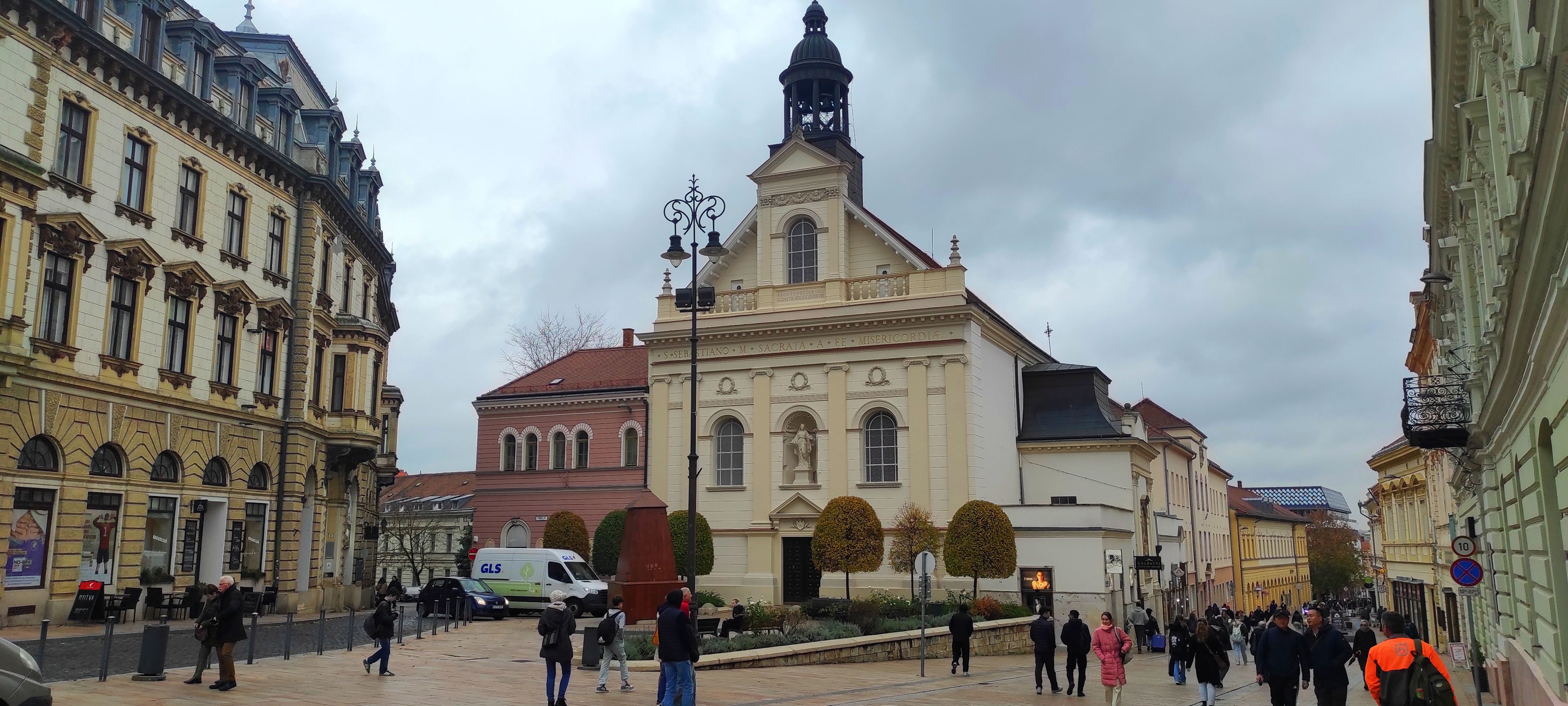
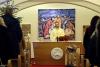
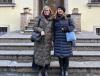
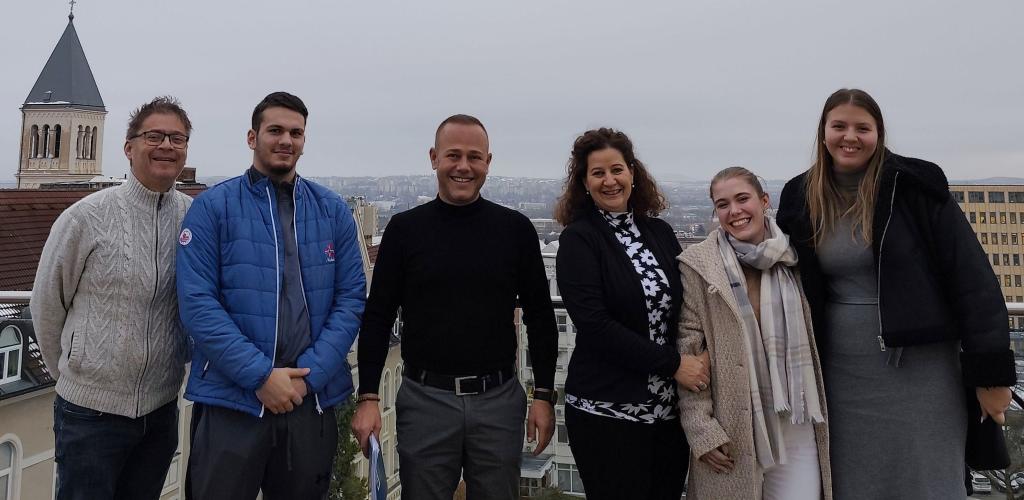
Within the framework of the Erasmus+ programme, Associate Professor Filip Galović, PhD, spent several days in the second half of November 2025 in the city of Pécs, Hungary.
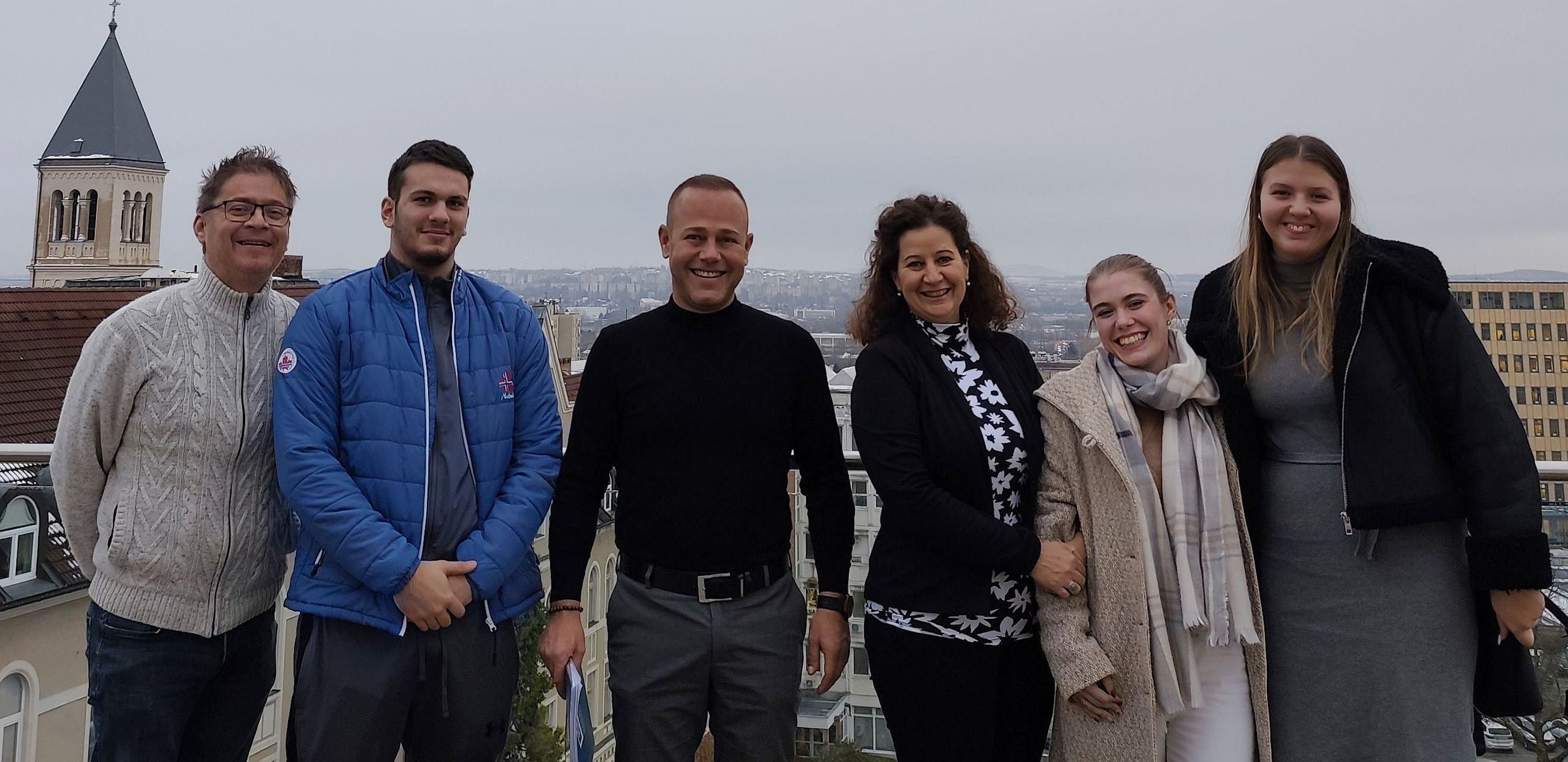
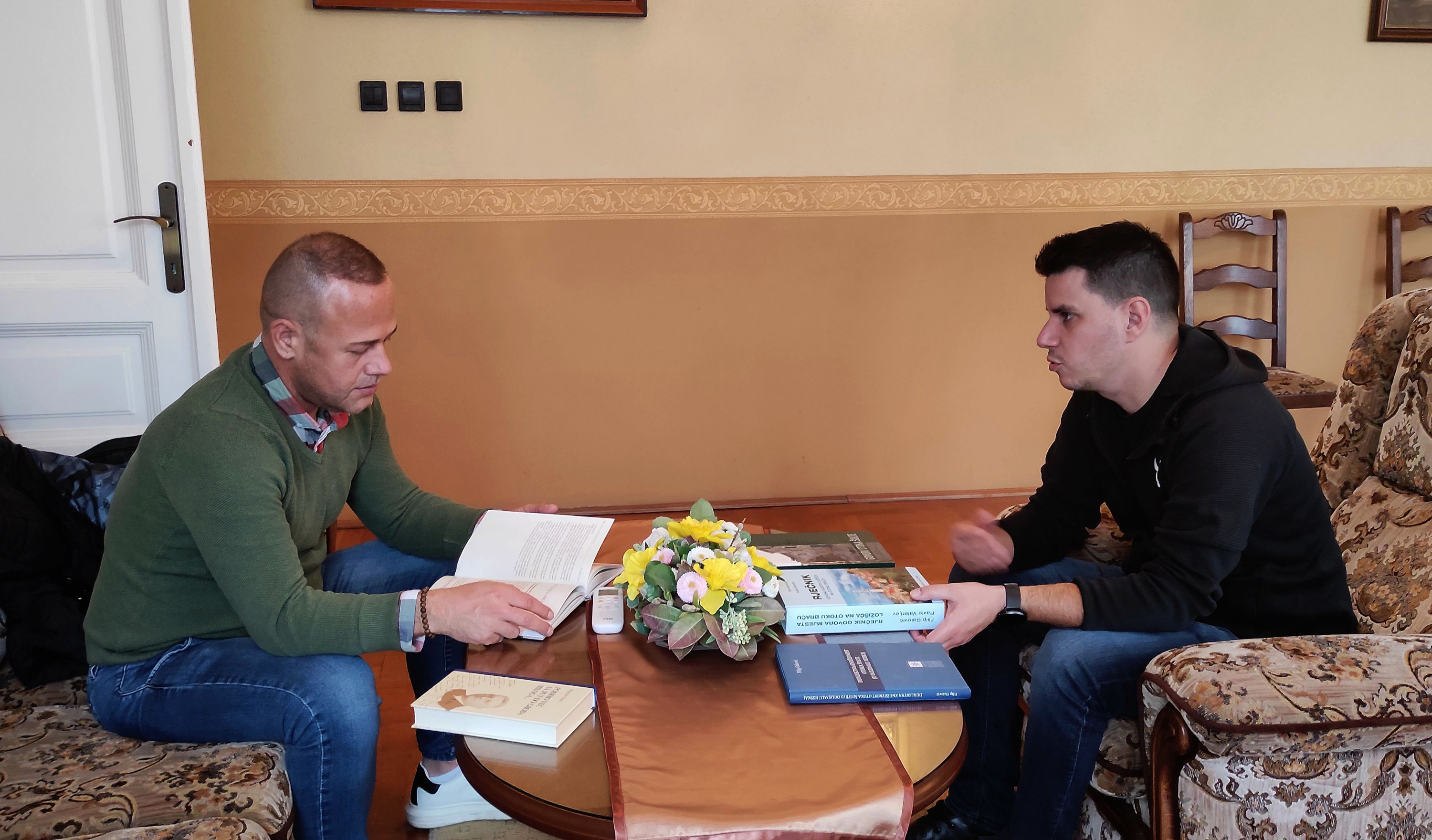
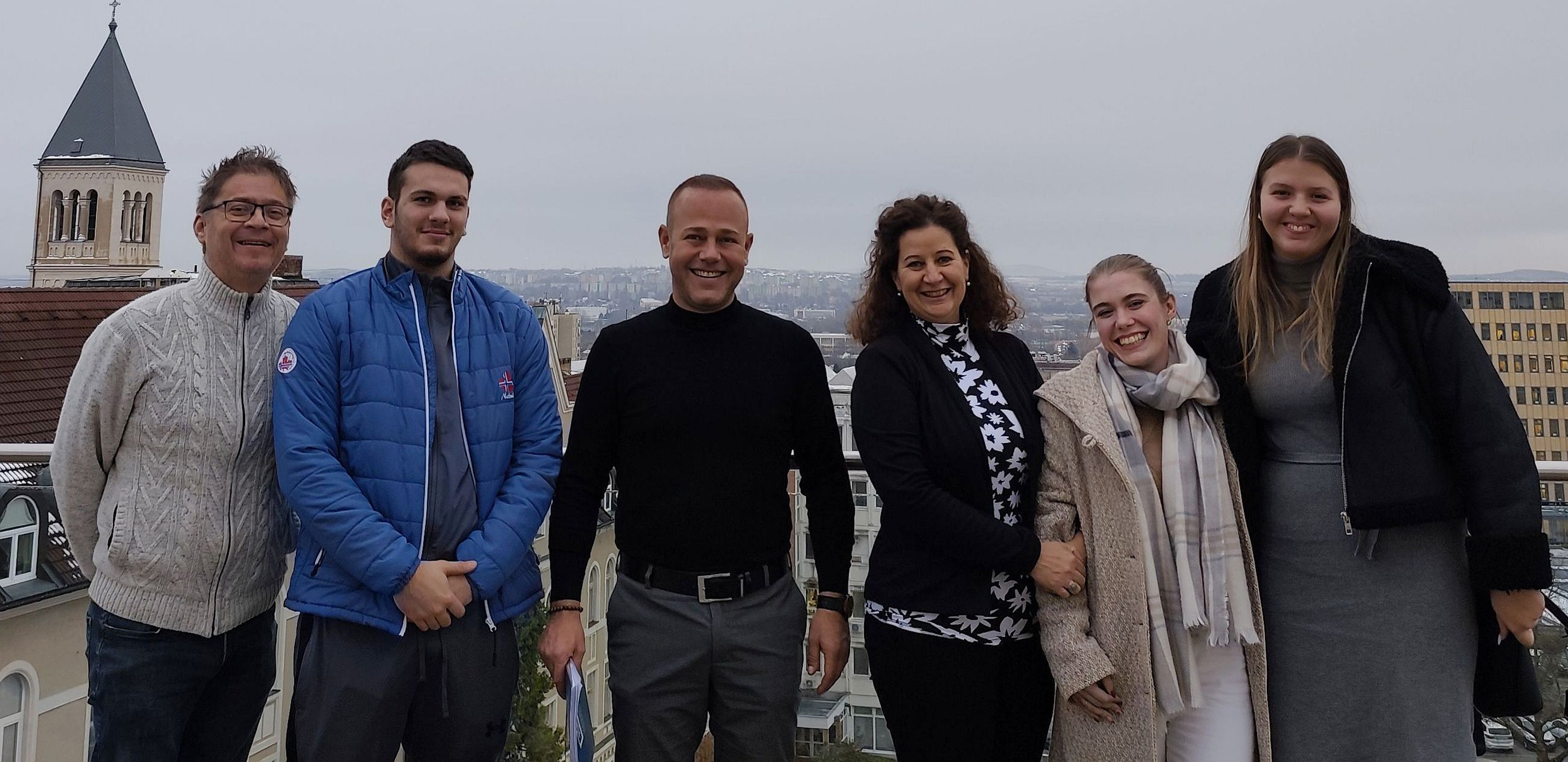
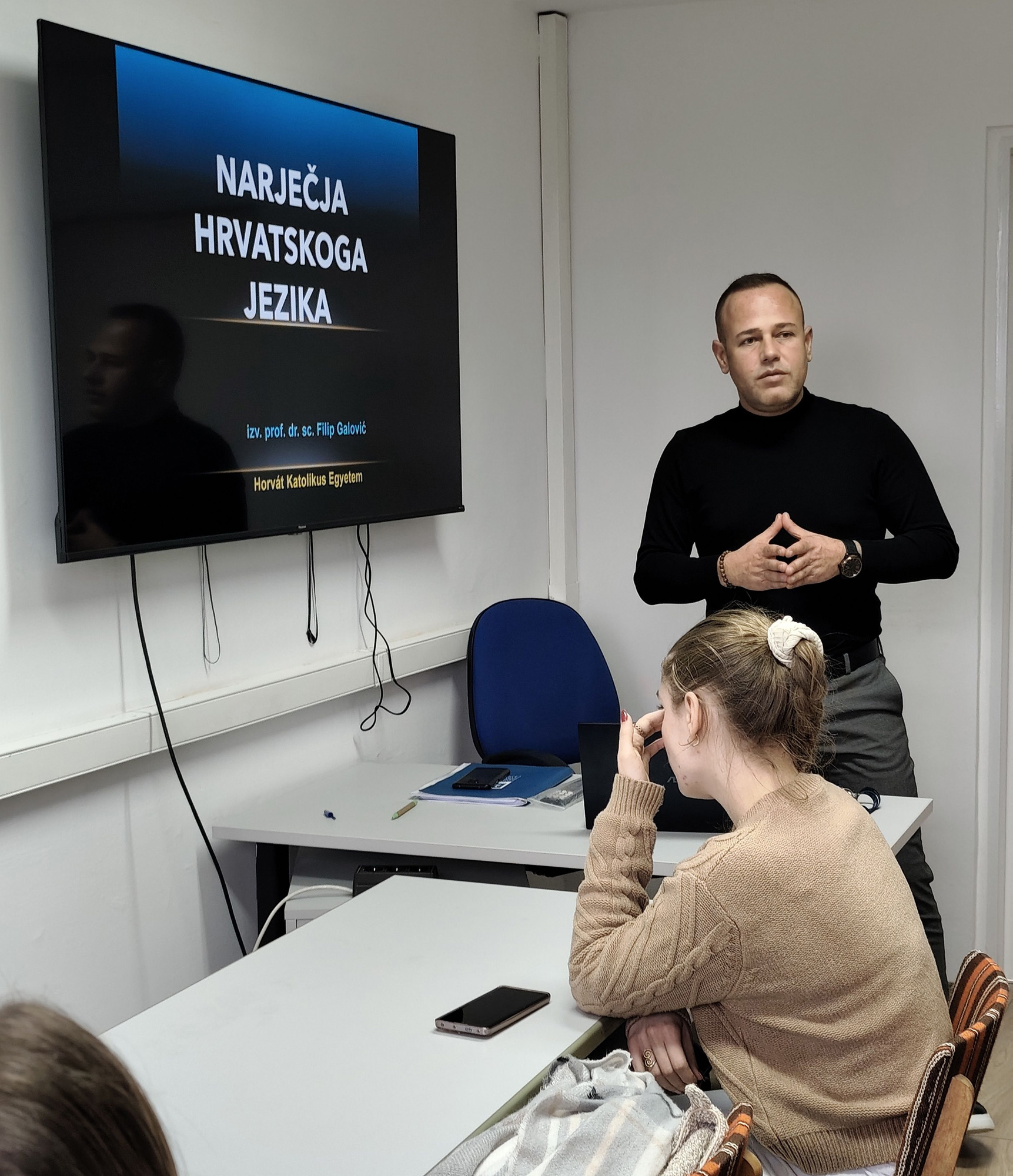
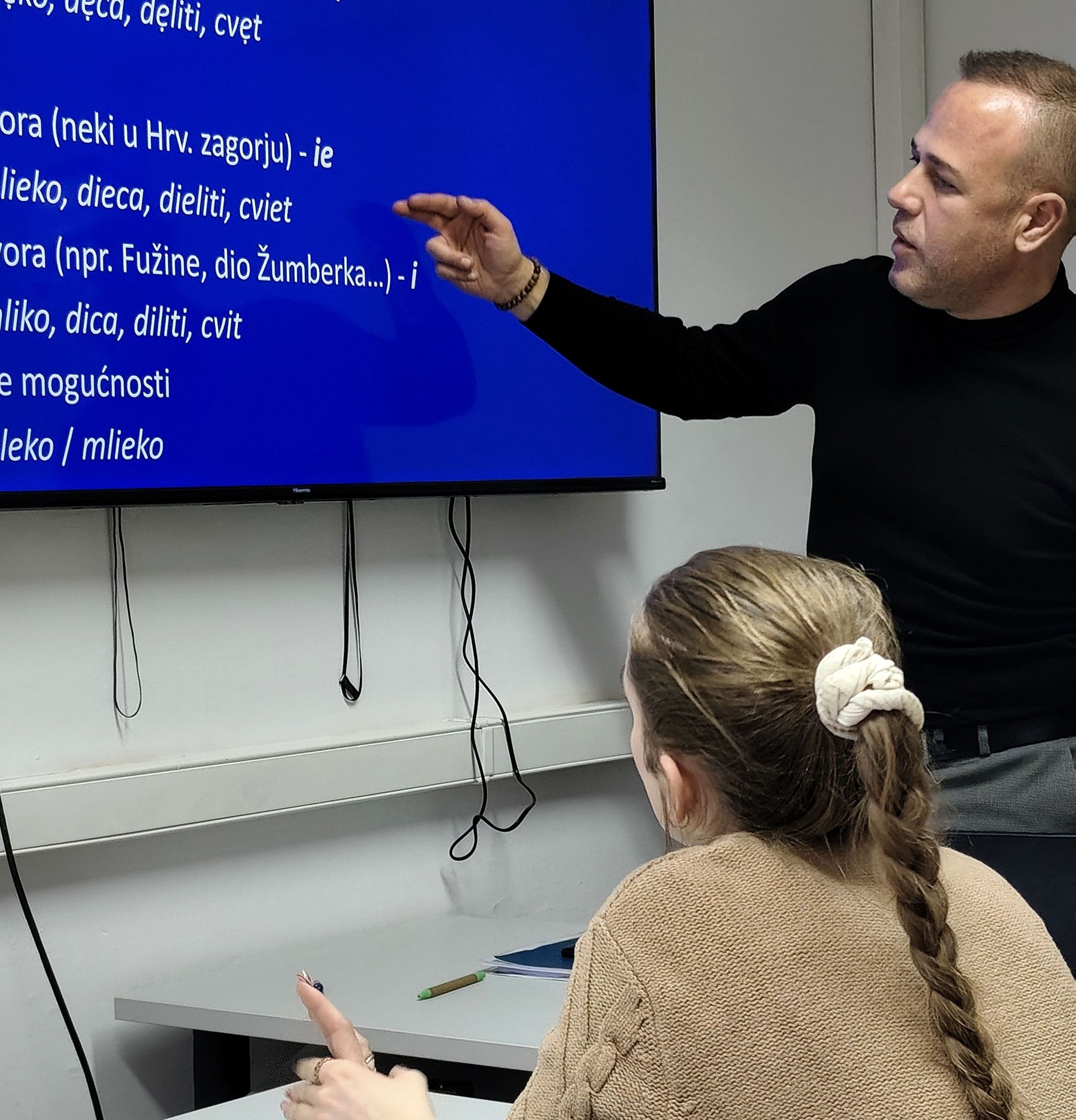
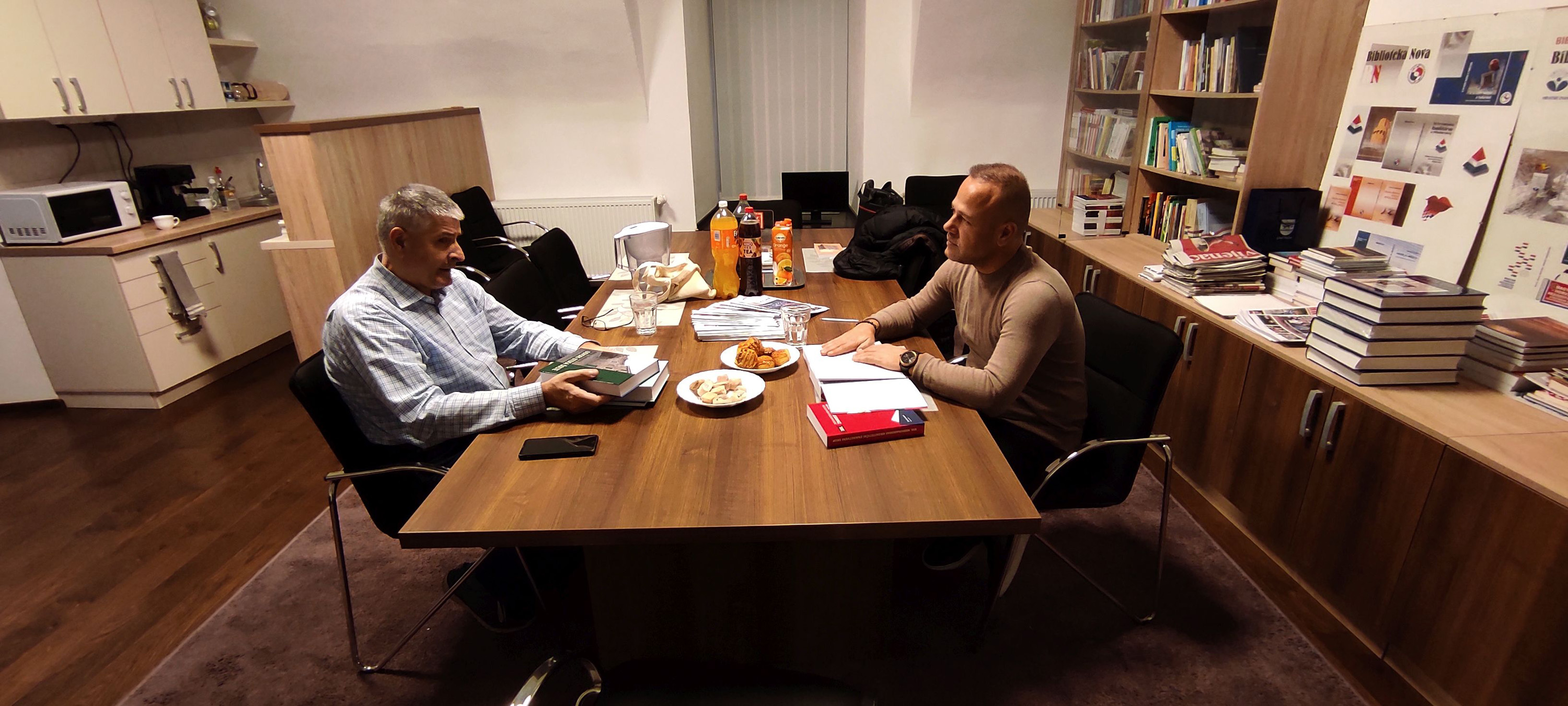
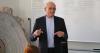
With regard to the Croatian language, literature, and culture, it should be noted that Pécs, a major Hungarian university centre, offers a programme in Croatian Studies. The Department of Croatian Language and Literature at the Faculty of Humanities of the University of Pécs has been active for more than 70 years. Of great importance for Croats in Hungary is also the Scientific Institute of Croats in Hungary. During his stay, Professor Galović met on several occasions with Dr Silvester Balić, a researcher at the Scientific Institute of Croats in Hungary, with whom he discussed the Institute’s activities, programmes, and future visions. He also met with the Director, Dr Stjepan Blažetin, who is simultaneously Head of the Department of Croatian Language and Literature. At the University, Professor Galović was warmly welcomed by Dr Timea Bockovac, a university professor at the Department of Croatian Language and Literature, who is likewise deeply committed to the preservation of the language, literature, and culture of Croats in Hungary, and who hosted Professor Galović in her classes. Professor Galović introduced students to dialectology as an important branch of linguistics, presented current research in Croatia, and lectured on the characteristics of the three Croatian dialects, whose linguistic features are also preserved in the speech of Croats in Hungary.
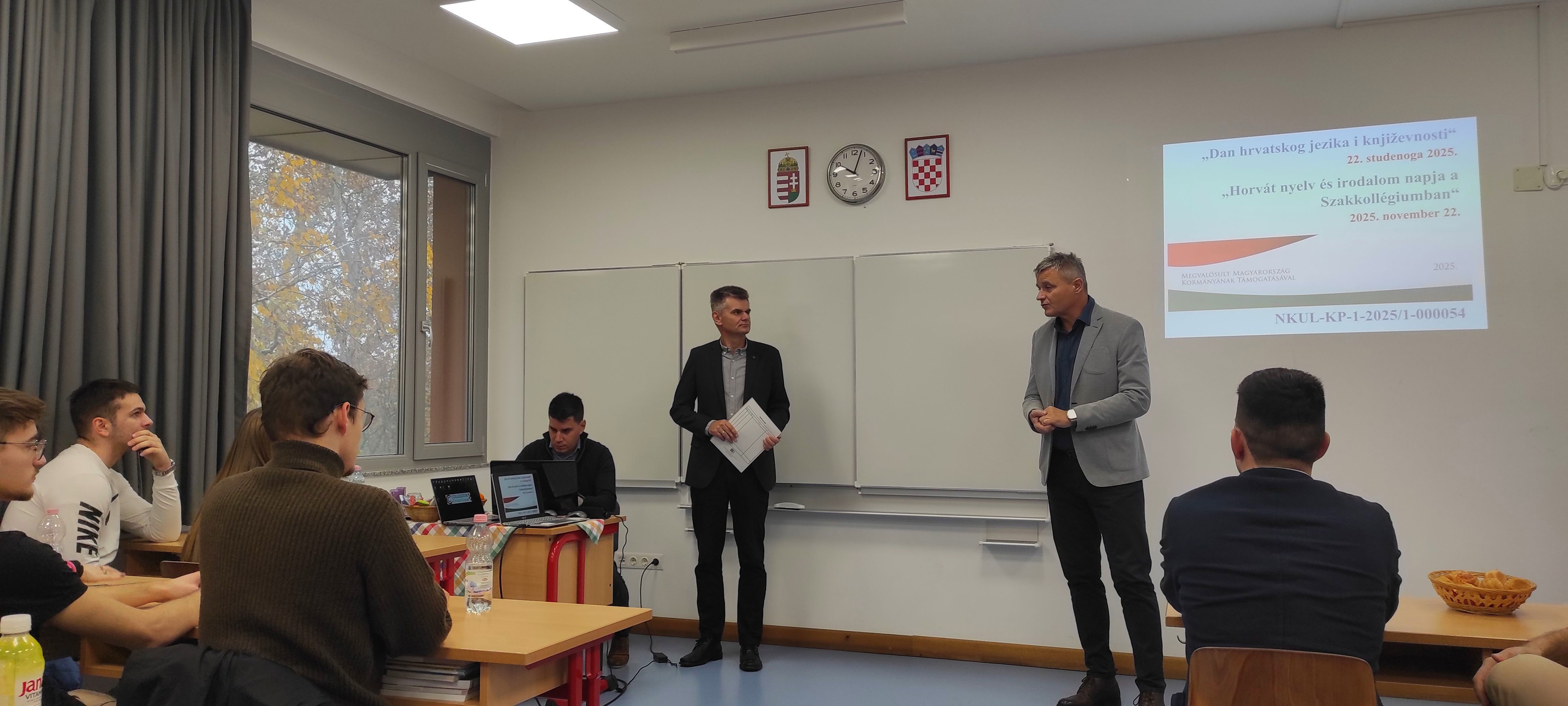
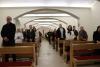
A particularly rewarding experience was Professor Galović’s participation in the Days of the Croatian Language and Literature at the Miroslav Krleža Educational Centre, where he met a number of lecturers as well as many highly interested students from the Collegium Croaticum in Pécs and Budapest, led by Štef Prosenjak. Professor Galović also visited several settlements inhabited by Croats, such as Kökény (Kukinj), Szalánta (Salanta), and others.
In addition to the exchange of both scholarly and teaching experiences, several ideas emerged for potential future cooperation between the aforementioned institutions. It is hoped that this will lead to strengthened collaboration and more concrete joint projects, with the aim of ensuring that the Croatian language, culture, and tradition continue to be preserved and nurtured beyond Croatia’s borders.