Share
Completed and New Research Projects of the Catholic University of Croatia Presented
On Wednesday, 17 December 2025, the results of research projects implemented in 2025, as well as new projects scheduled to commence in 2026, were presented. The Catholic University of Croatia continues to invest strongly in research activity through a series of interdisciplinary projects to be funded in the coming year, covering biomedicine and artificial intelligence, social sciences, and historical and humanities research.
Introductory addresses were delivered by Prof. Željko Tanjić, PhD, Rector of the Catholic University of Croatia, and Prof. Roberto Antolović, PhD, Vice-Rector for Research, who both emphasised their pride in the achievements presented, as well as the importance, complexity, and demanding nature of research work.
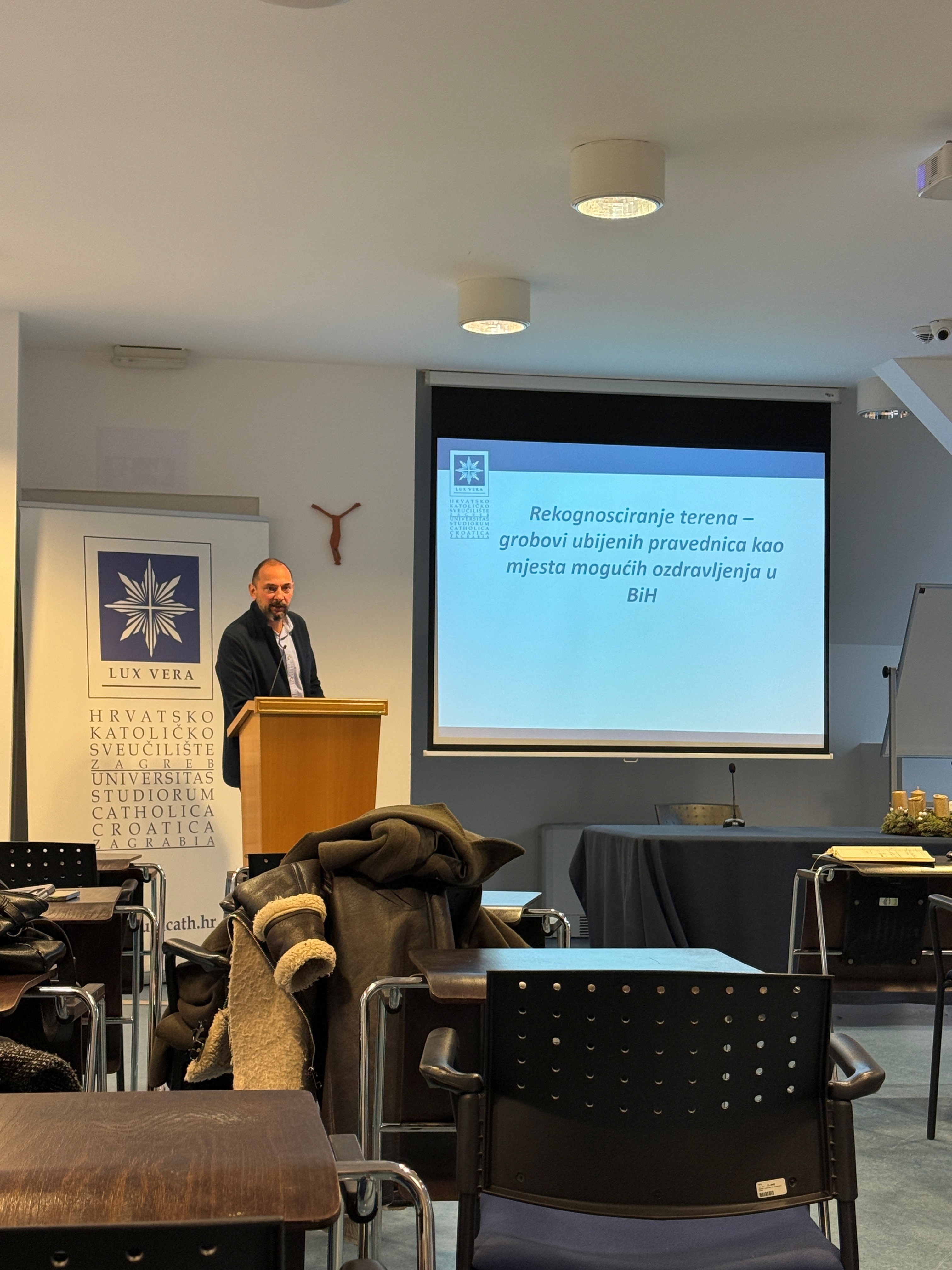
The first part of the programme featured projects whose implementation was funded and completed during 2025. Prof. Luka Šešo, PhD, presented the results of the project Folk Medicine and Healing: Beliefs, Practices, Narratives, which aimed to explore the cultural and social contexts that have influenced—and continue to influence—human attitudes toward health and the preservation of life through diverse traditional beliefs, narratives, and practices.
Assoc. Prof. Lucija Mihaljević, PhD, presented the results of the project Identity and Technology – Processes of Identification, Communication, and Interaction with New Technologies. Dr Filip Hren presented the results of the project From Defensive Rampart to “Military Reservoir”: The Evolution of the Grenzers as Soldiers from the 16th to the 18th Century (Preliminary Research), while Prof. Zvonimir Koporc, PhD, presented the results of the project Survey Research on National Ethics Councils of EU Member States (National Ethics Councils – NEC Survey).
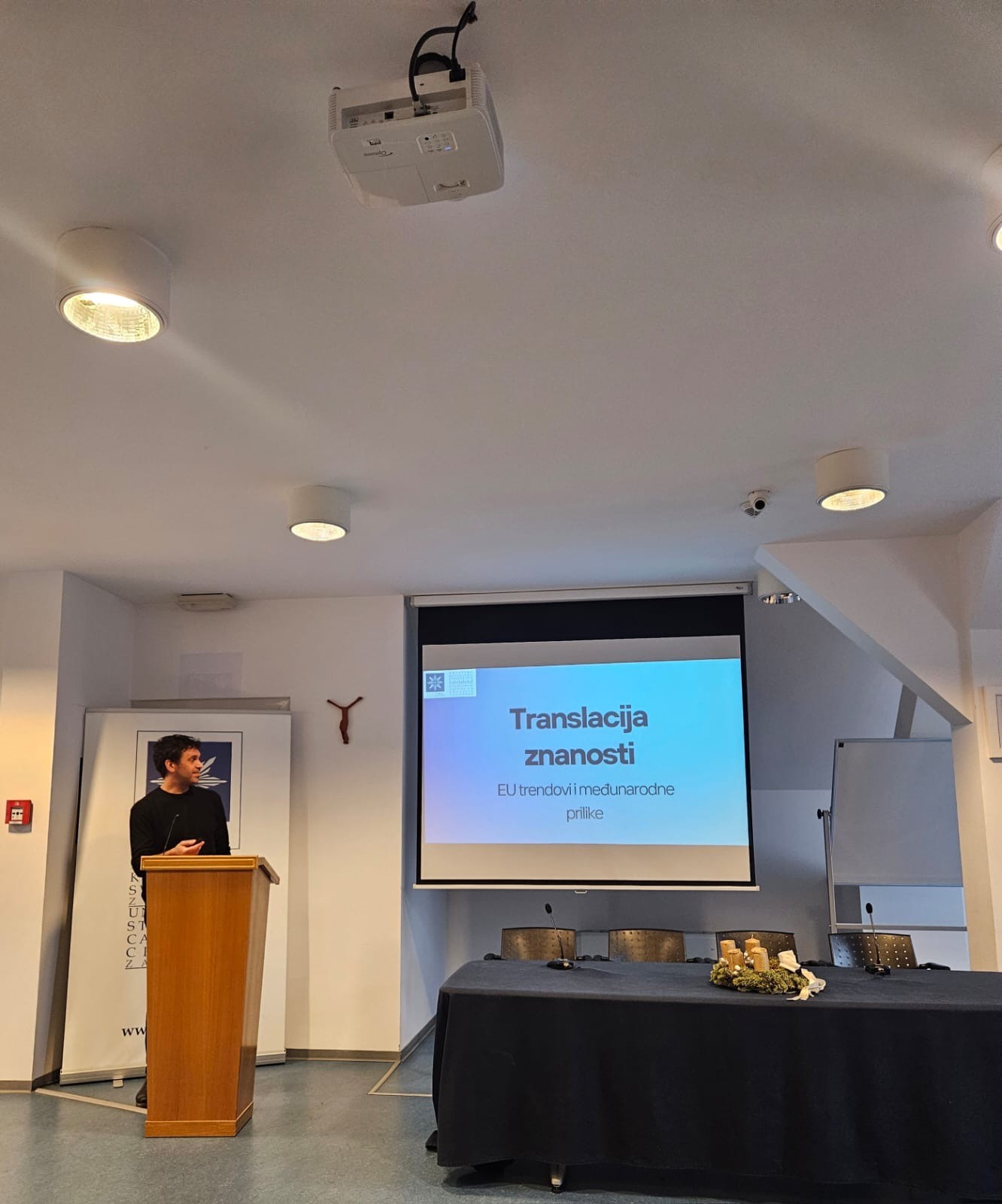
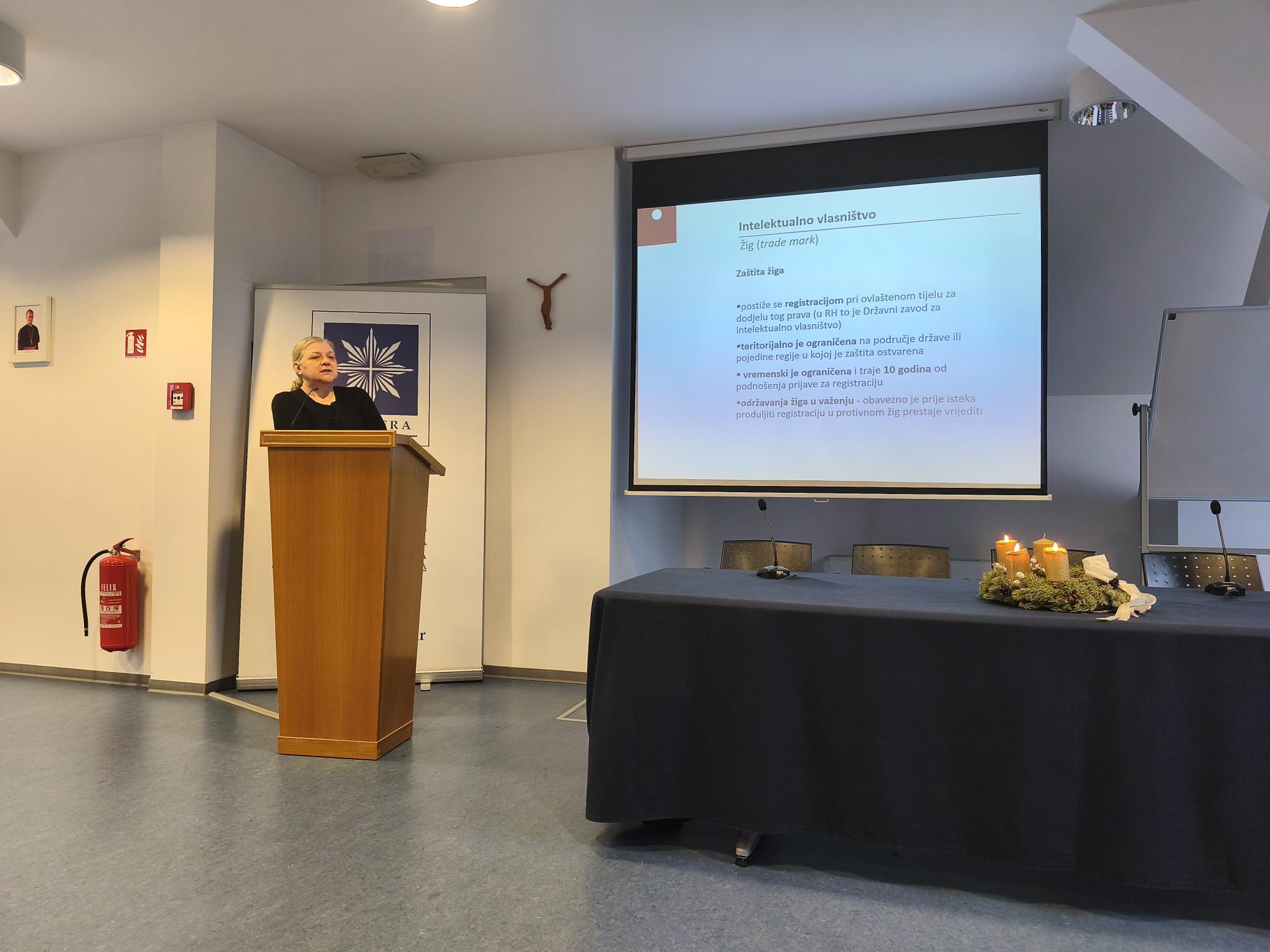
Ms Tanja Milović, MSc, from the State Intellectual Property Office, delivered a lecture entitled Overview of Intellectual Property Protection and Its Application in Teaching and Business. This was followed by presentations by staff of the Office for Strategic Planning, Development and Projects, who spoke about knowledge translation, EU trends, and international opportunities.
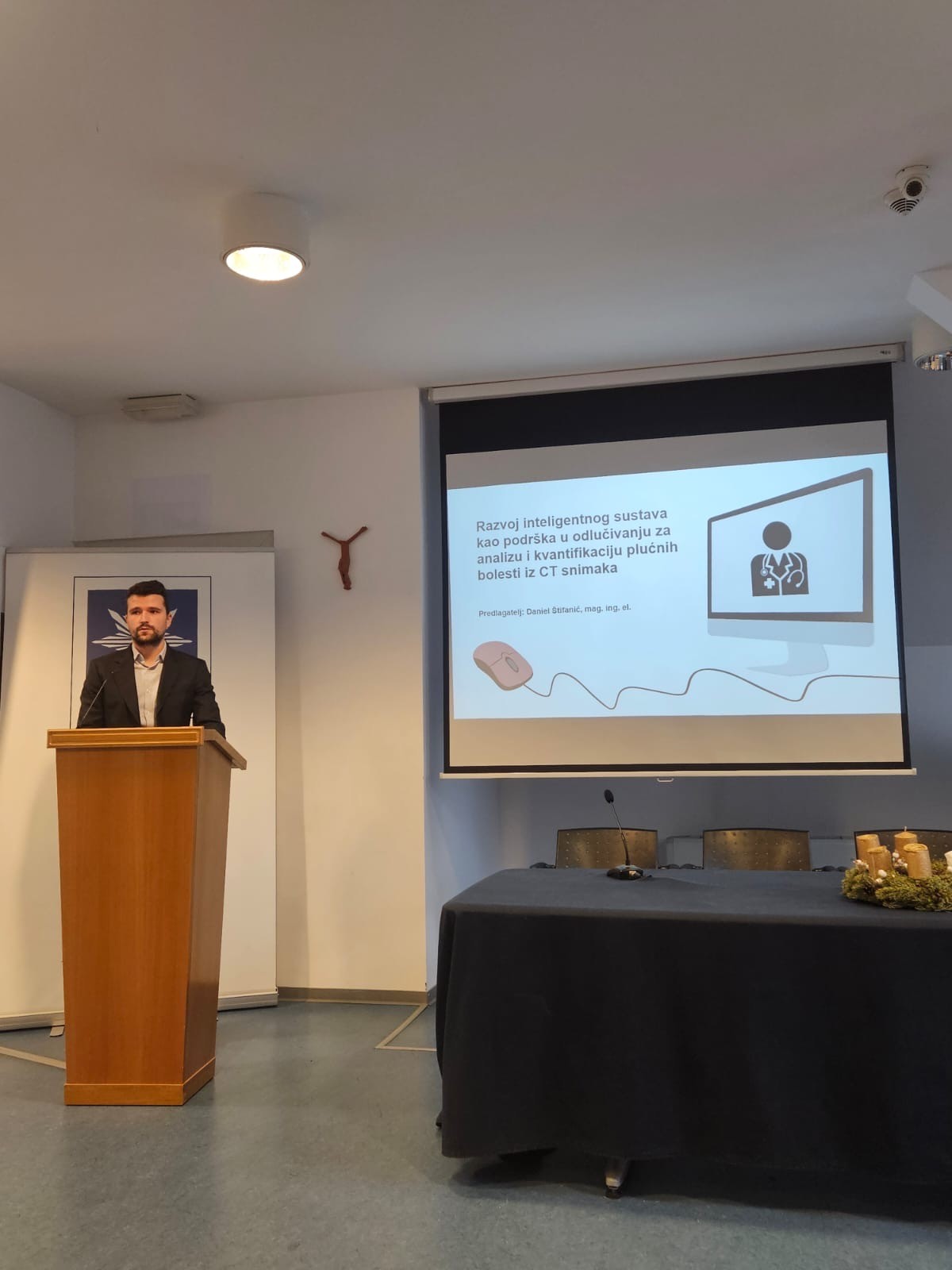
The second part of the programme began with the presentation of the project Development of an Intelligent Decision Support System for the Analysis and Quantification of Lung Diseases from CT Images, to be led by Daniel Štifanić, MSc in Electrical Engineering, from the Faculty of Engineering. The project focuses on developing an intelligent system for the automatic analysis and quantification of lung diseases from CT scans, based on advanced deep-learning algorithms. In cooperation with the Rijeka University Hospital Centre, the Sisters of Charity University Hospital Centre, and the Faculty of Engineering of the Catholic University of Croatia, the project aims to improve segmentation of pathological changes, quantitative assessment of lung parenchyma damage, and objective monitoring of disease progression. The system is intended for scientific and research use, with an emphasis on its potential to support physicians in decision-making and the development of personalised medicine.
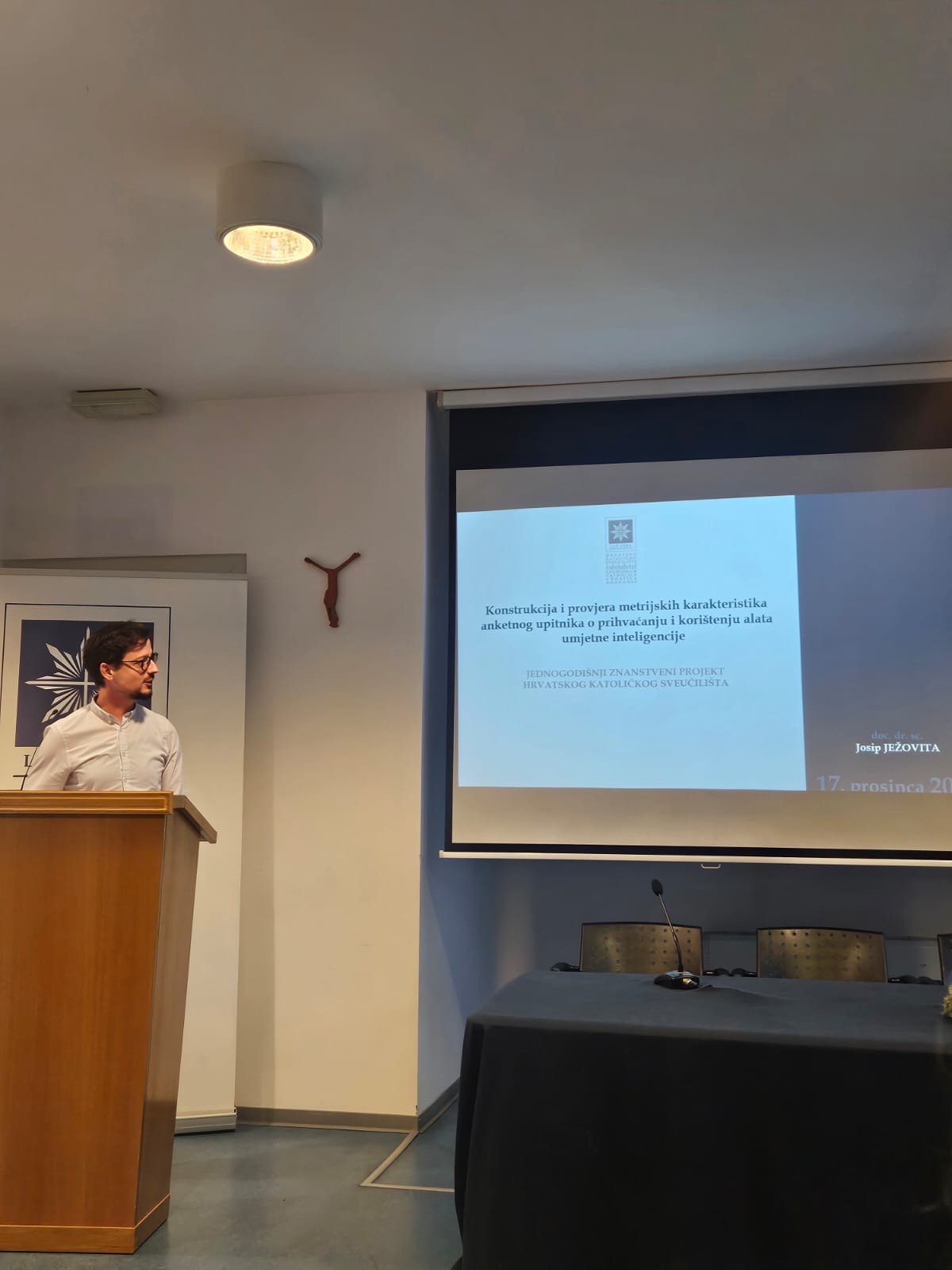
Asst. Prof. Josip Ježovita, PhD, will lead the project Construction and Validation of the Metric Characteristics of a Survey Questionnaire on the Acceptance and Use of Artificial Intelligence Tools, which is aimed at developing and validating a questionnaire on the acceptance and use of AI tools in the general population. The research is based on the DBO theory (desires, beliefs, and opportunities), which enables the linking of individual actions with social outcomes.
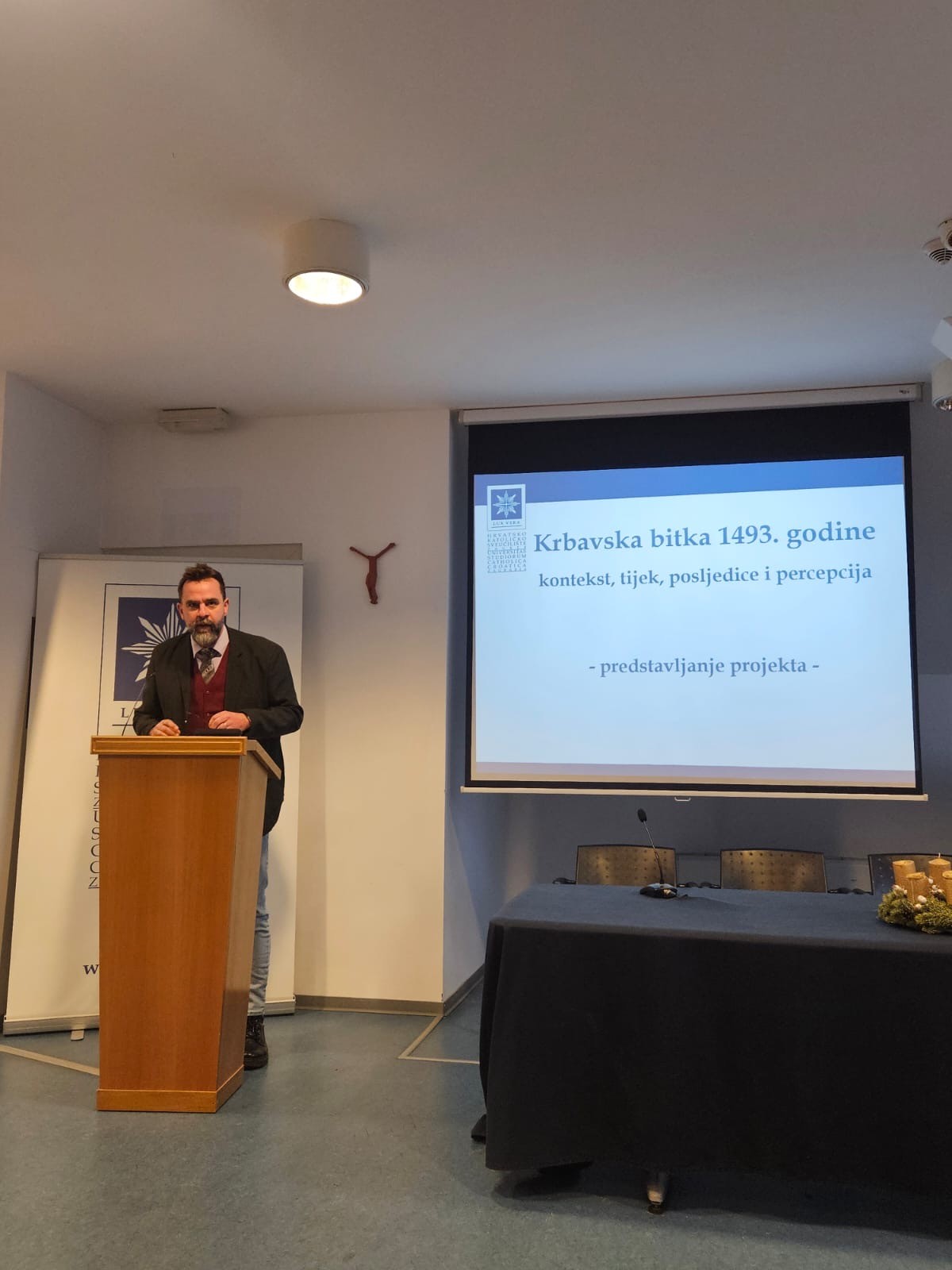
The project The Battle of Krbava Field of 1493 – Context, Course, Consequences, and Perception, led by Prof. Hrvoje Kekez, PhD, is dedicated to producing a comprehensive scholarly study of the Battle of Krbava Field in 1493, one of the key events in Croatian military history. The research encompasses analysis of the historical context, settlement patterns and transport connectivity of Krbava County, the composition and size of the opposing armies, battlefield topography, the course and consequences of the battle, and its reception from the 16th century to the present day.
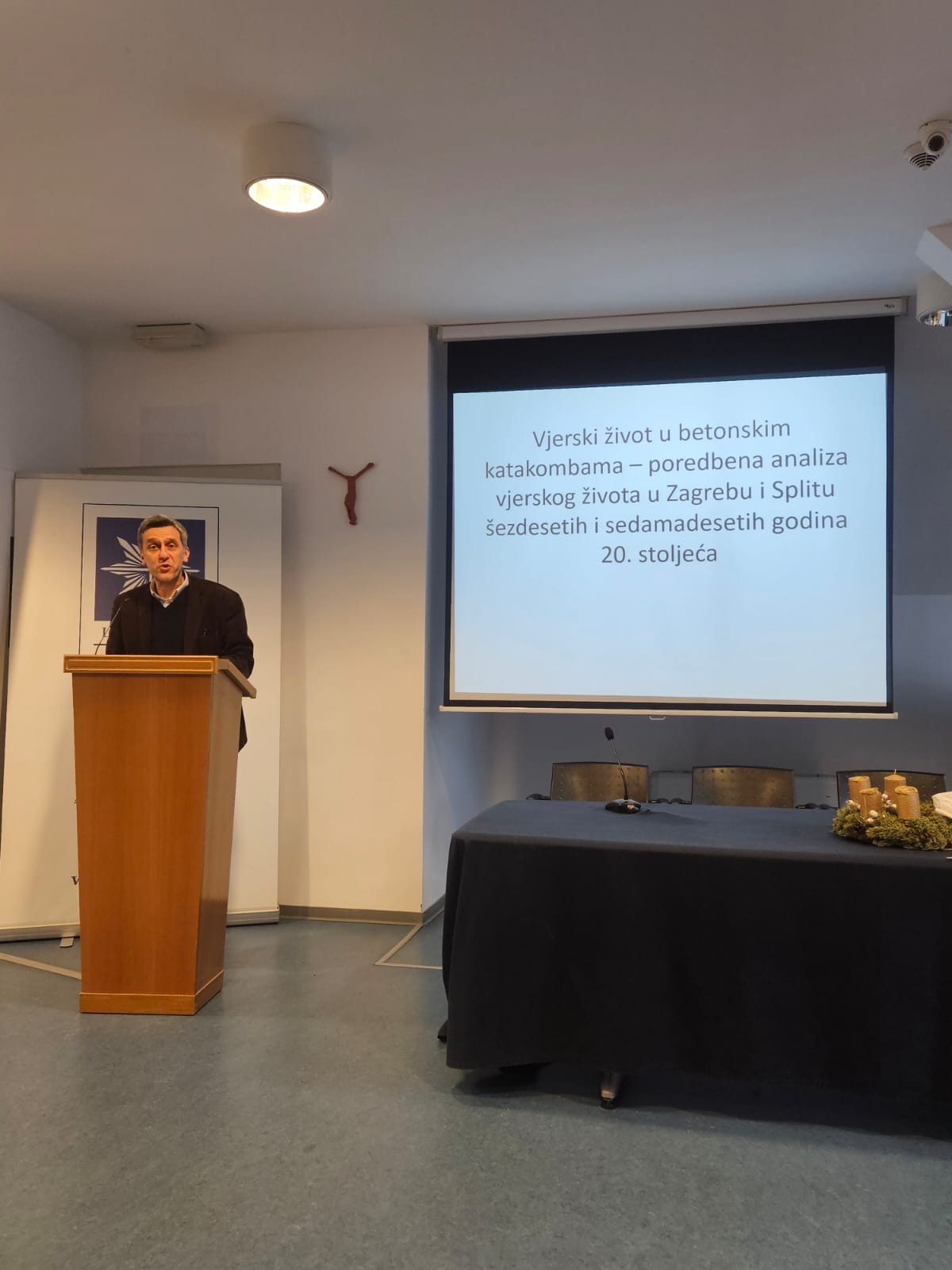
In the project Religious Life in Concrete Catacombs – A Comparative Analysis of Religious Life in Zagreb and Split in the 1960s and 1970s, Prof. Tomislav Anić, PhD, will analyse the expansion of Zagreb and Split in the second half of the 20th century, with particular emphasis on the formation of Roman Catholic parishes in newly developed urban neighbourhoods. The project will explore how communities of believers developed under conditions of limited space and the political circumstances of the socialist system, in which liturgies and gatherings were often held in improvised spaces such as apartments and family homes.
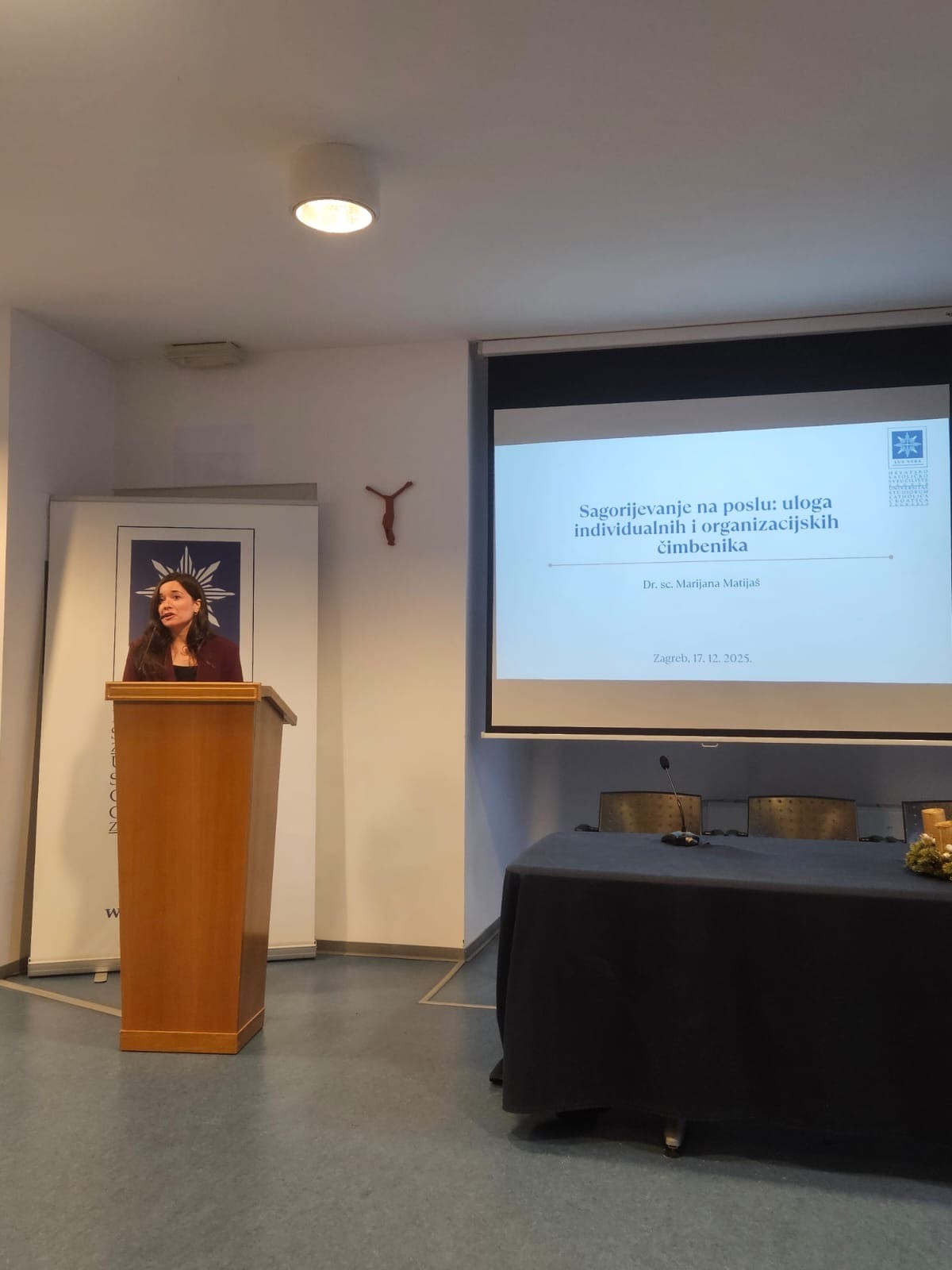
The project led by Dr Marijana Matijaš, PhD, Burnout at Work: The Role of Individual and Organisational Factors, will focus on the topical issue of burnout as one of the key challenges of the contemporary work environment. The aim is to examine how individual and organisational factors contribute to the development and prevention of burnout, with particular emphasis on the interrelationship of burnout symptoms and employees’ attitudes toward the role of digital technologies in its prevention and mitigation.