Share
Communication Studies Students Visit the Ivan Meštrović Atelie
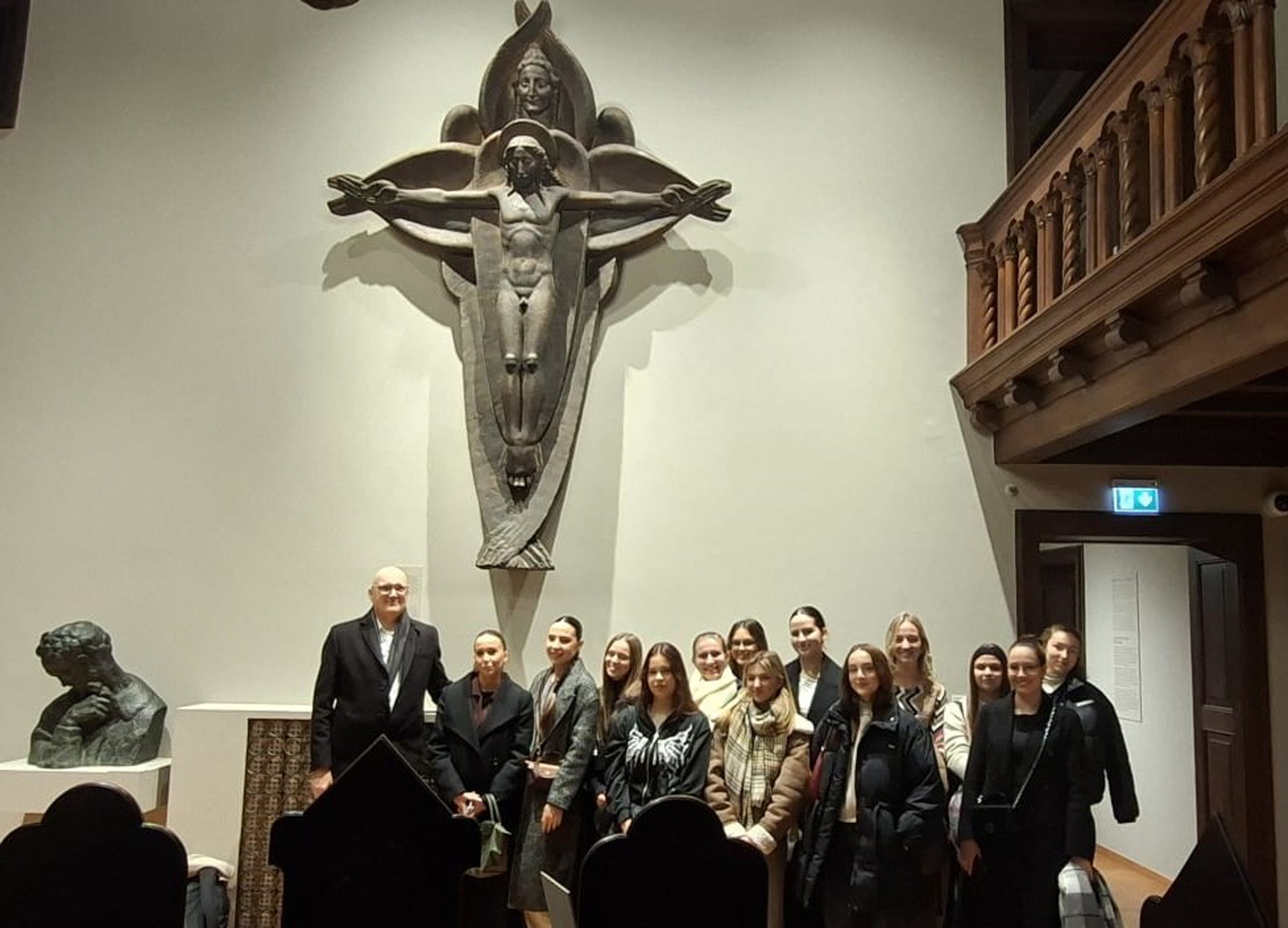
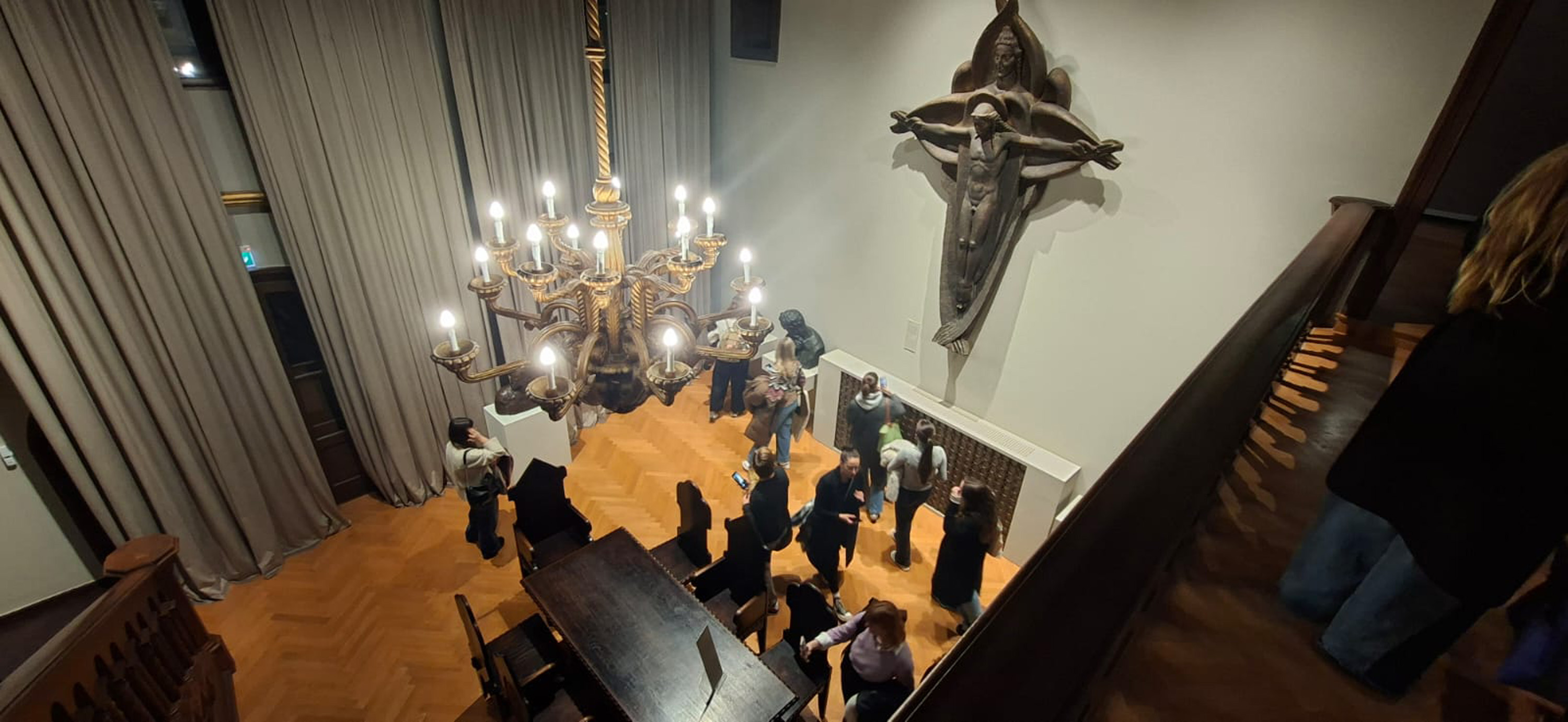
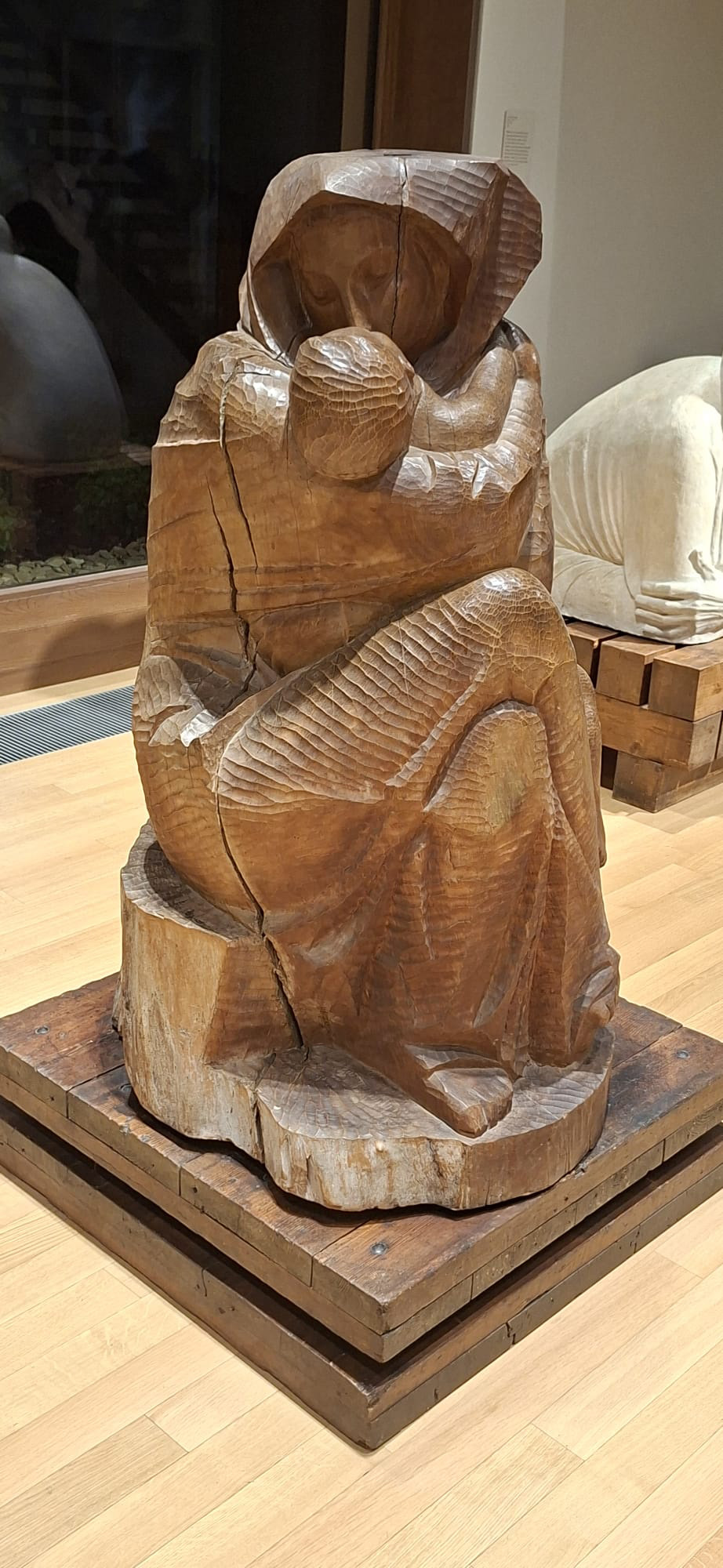
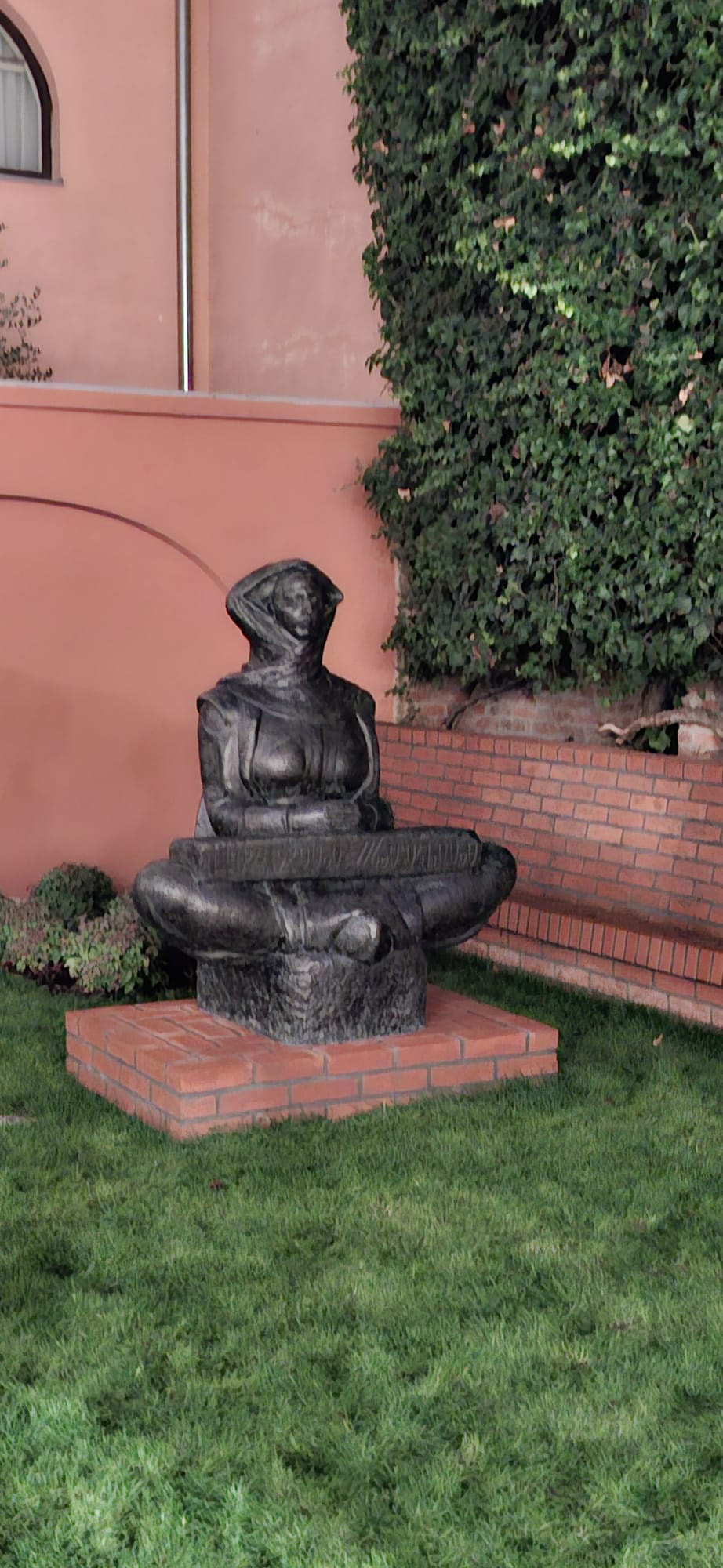
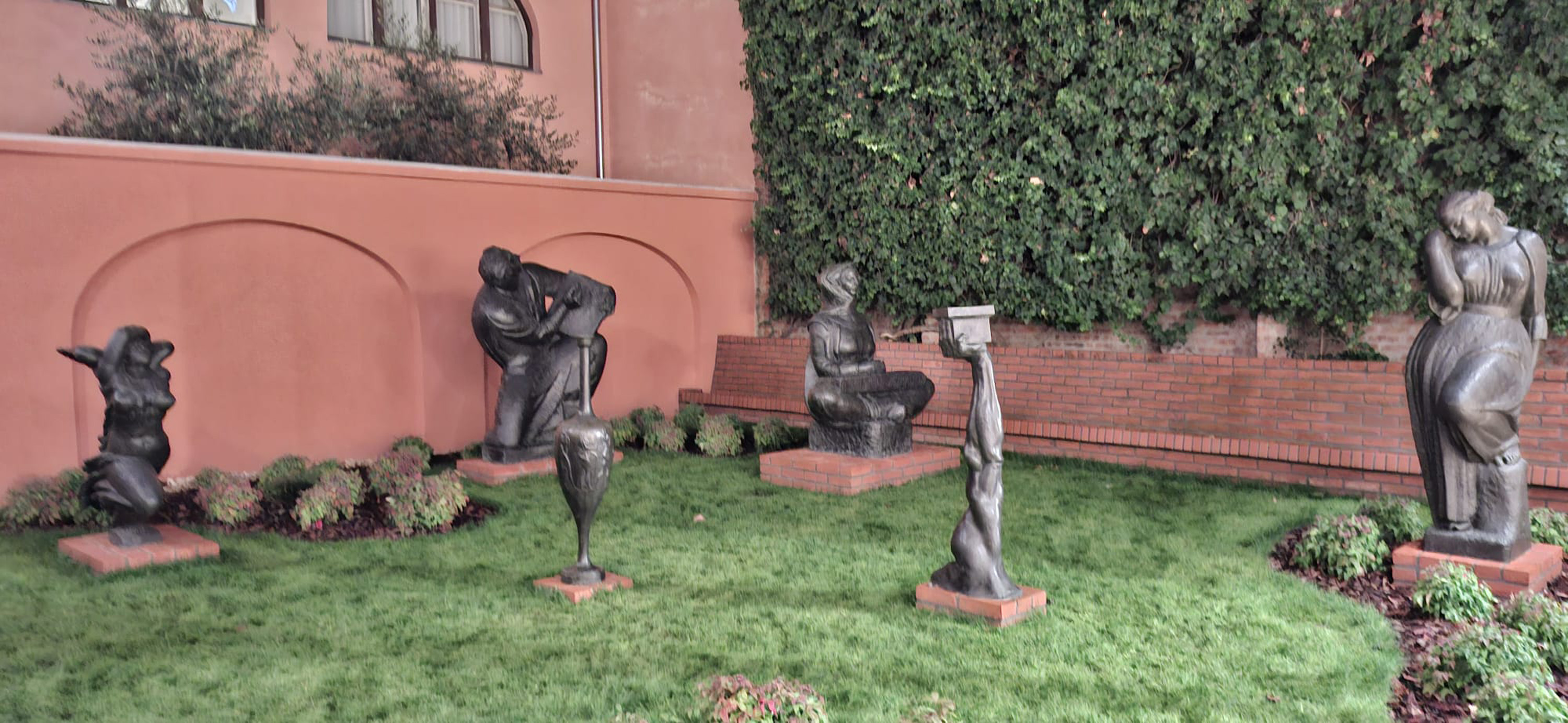
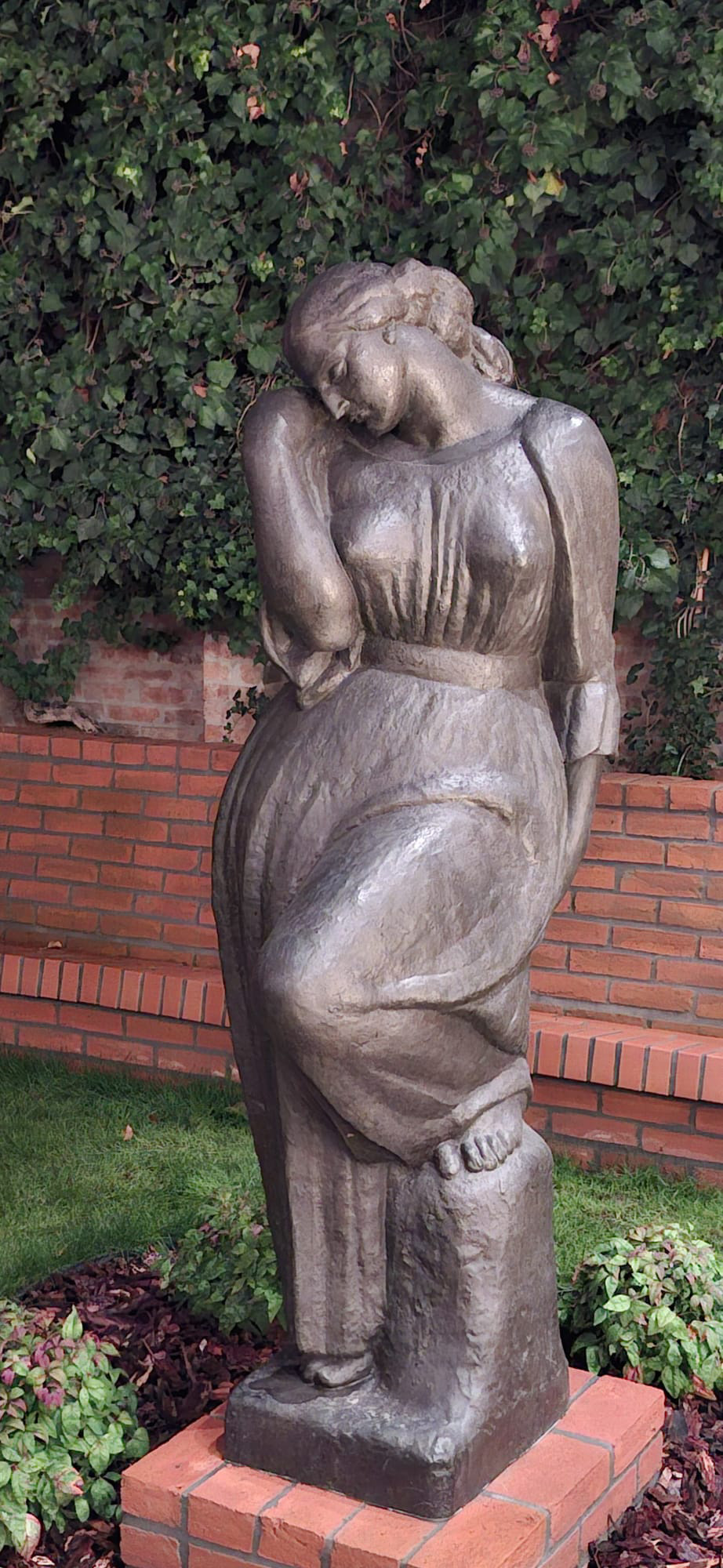
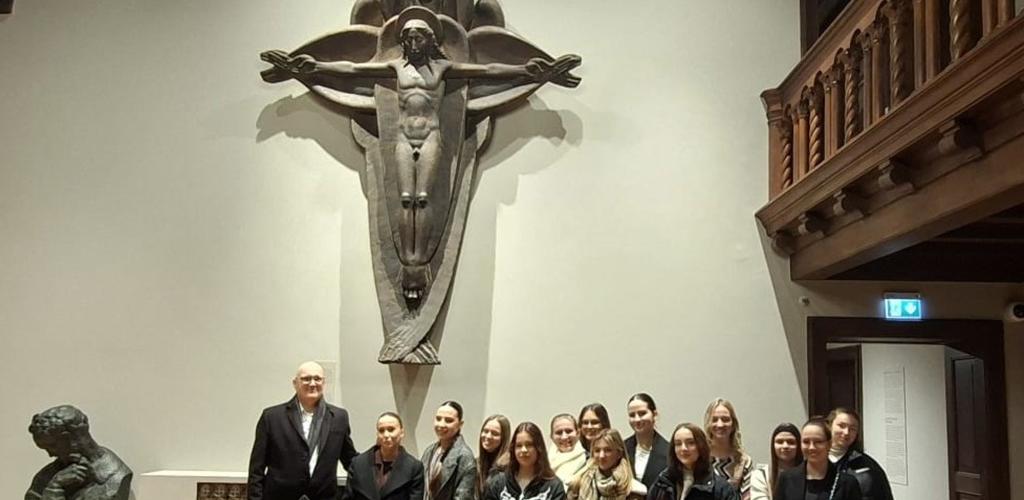
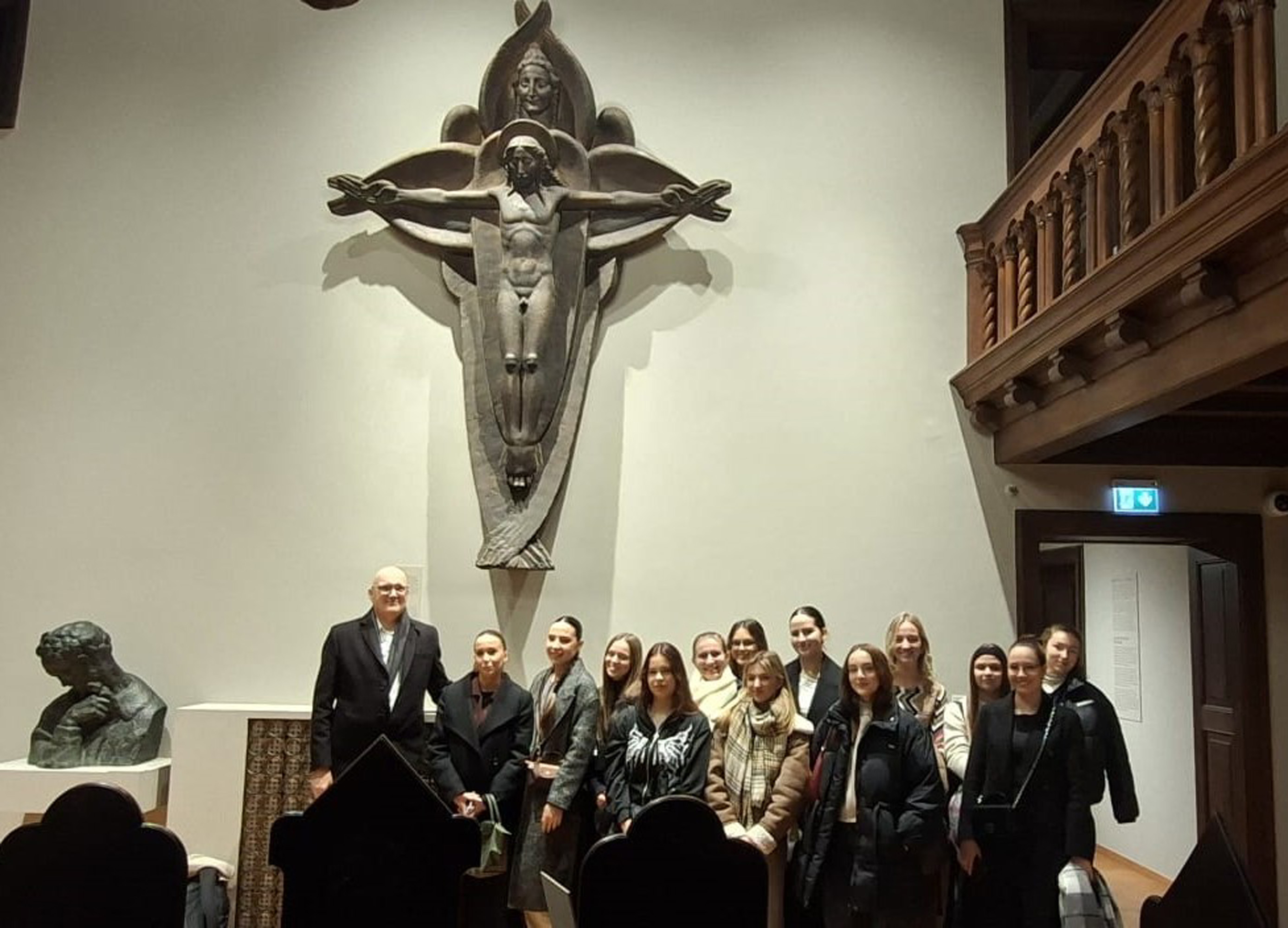
On Thursday, 18 December 2025, undergraduate students of Communication Studies, as part of the course Criticism and Modern Journalism Genres led by Assistant Professor Zlatko Vidačković, PhD, visited the Ivan Meštrović Atelier. The Atelier was presented by museum advisor Barbara Vujanović, the curator responsible for the permanent exhibition.
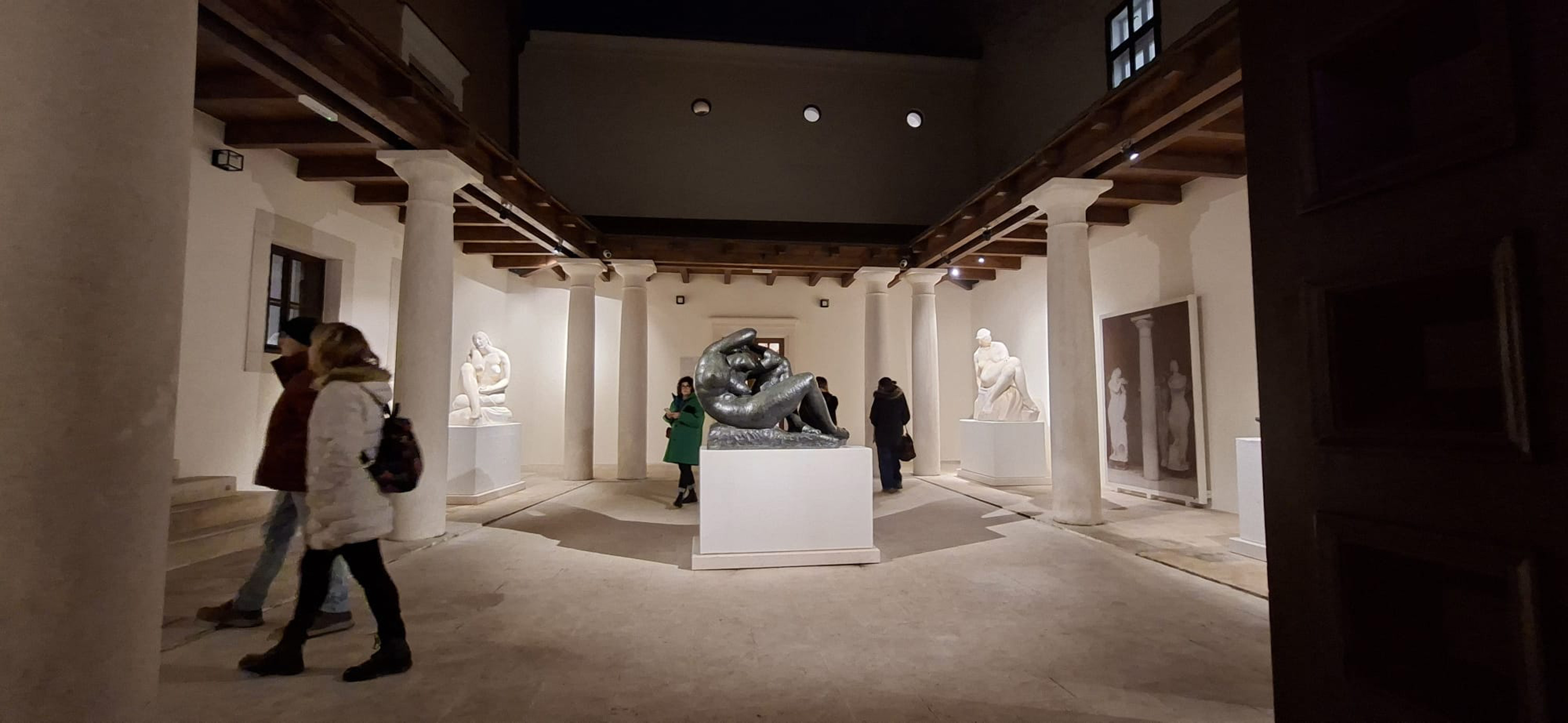
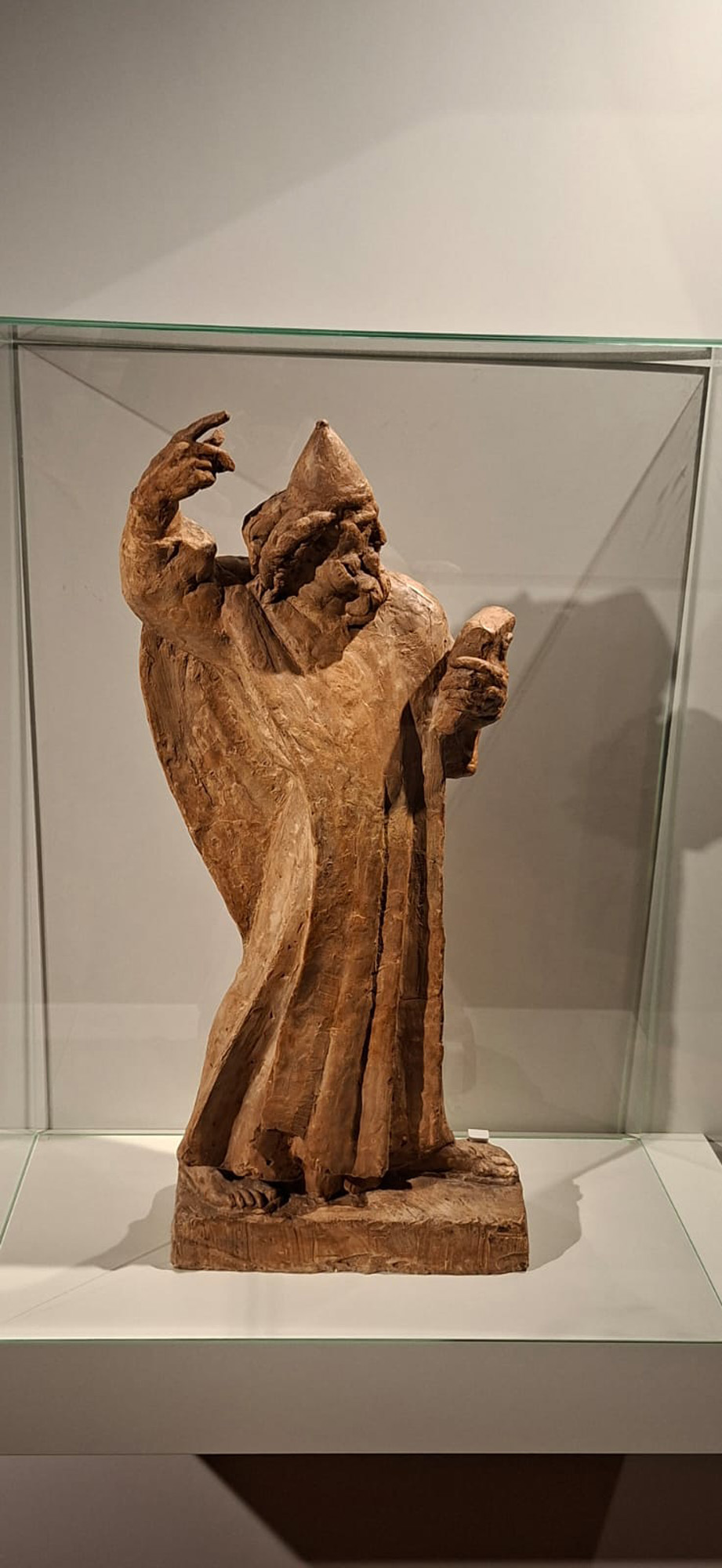
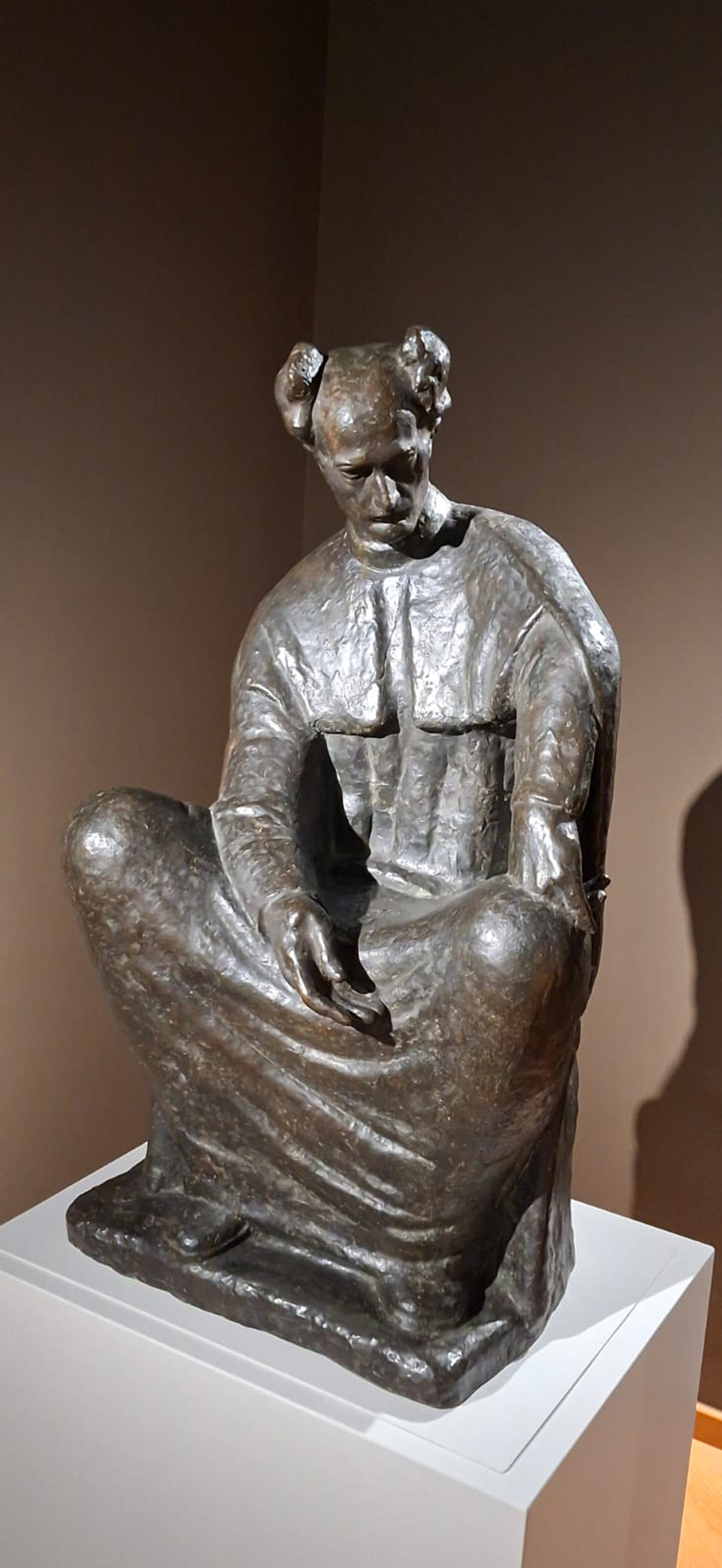
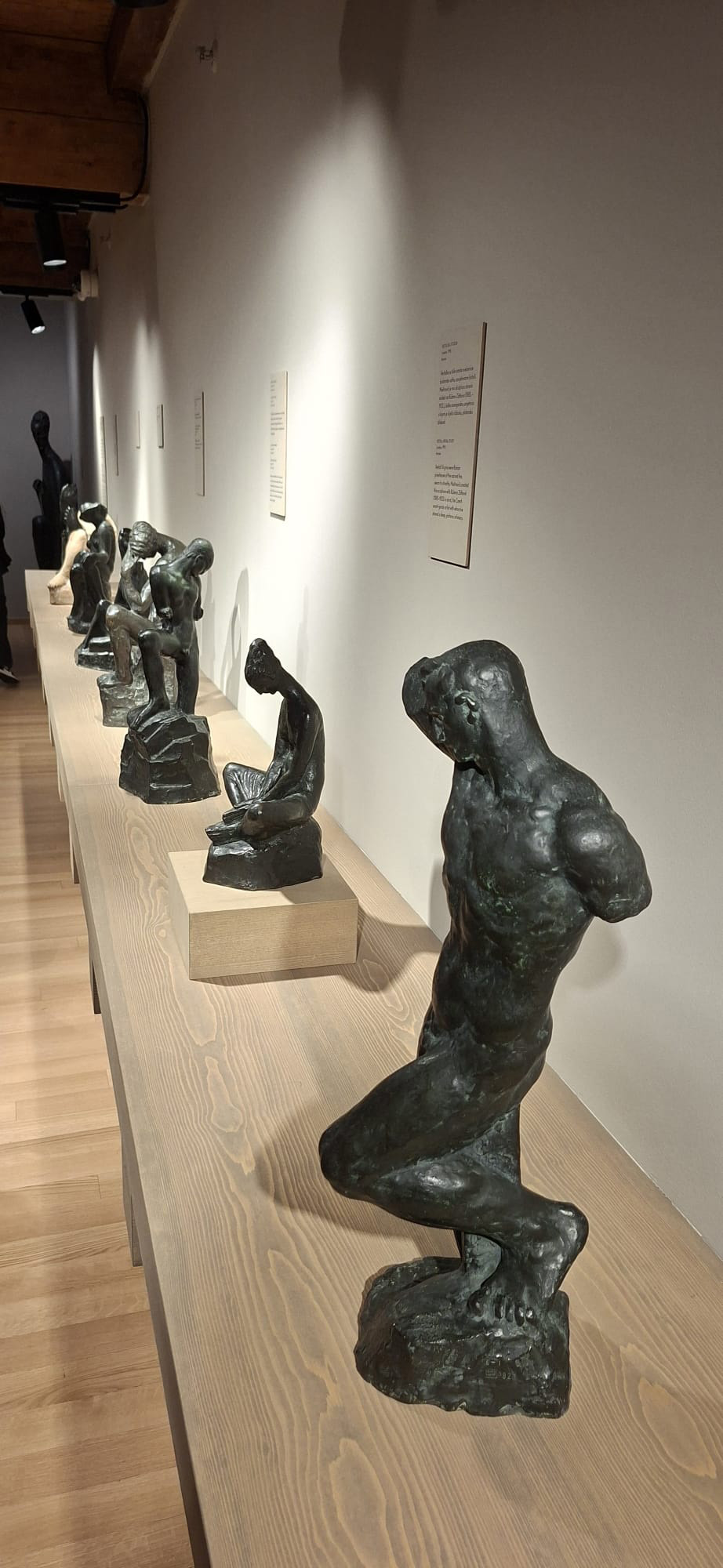
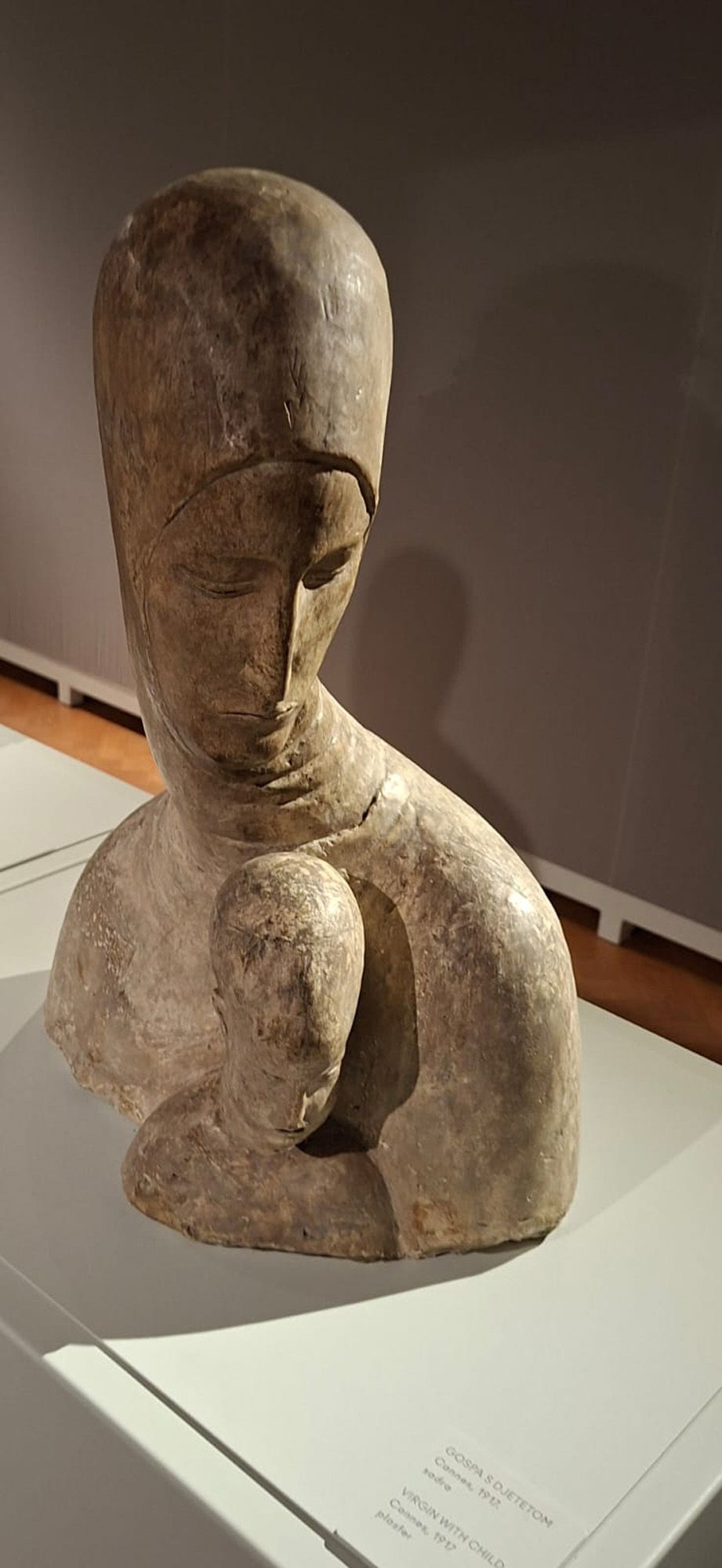
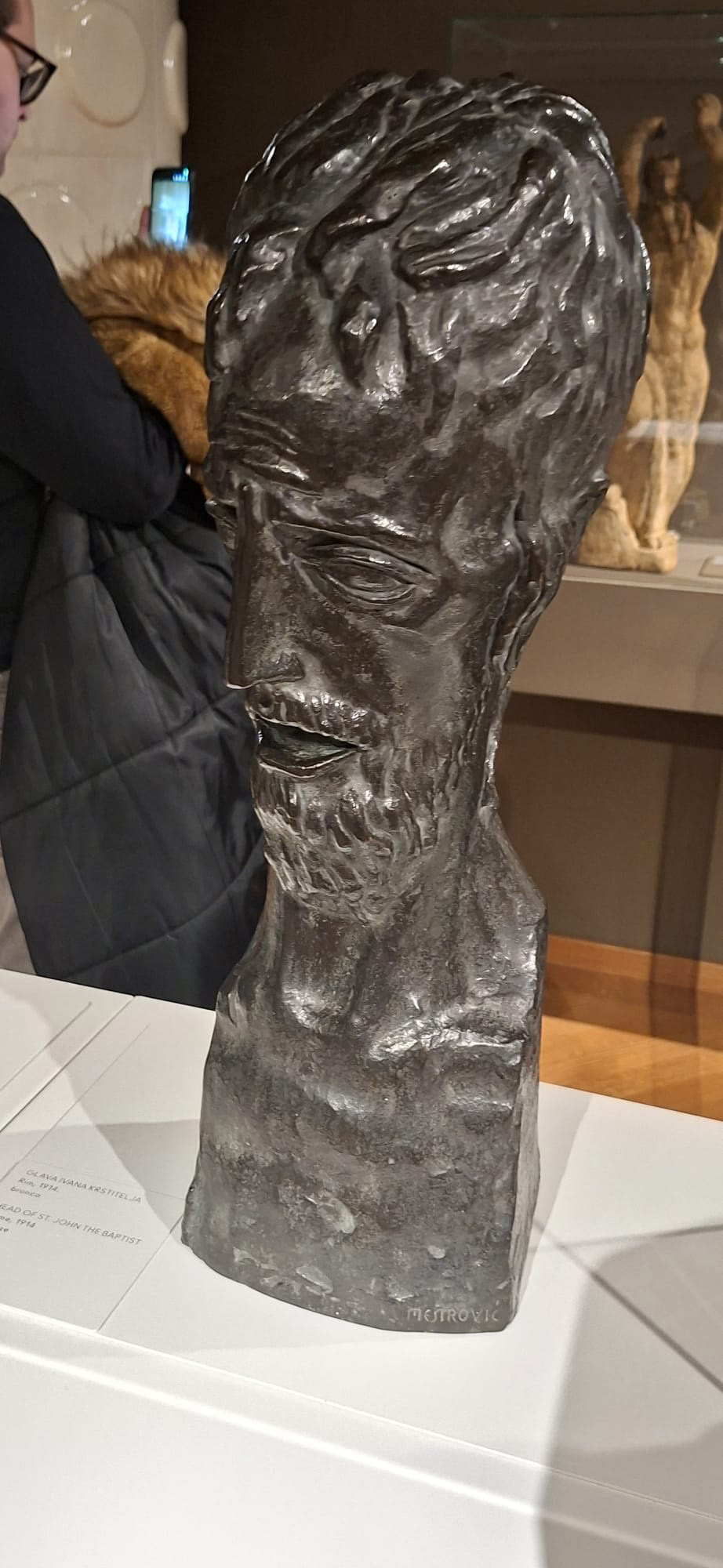
Five days earlier, the renovated Meštrović family house in Mletačka Street in Zagreb—comprising an atrium, garden, and atelier—was officially reopened after having been damaged in the earthquake. The newly presented permanent exhibition responds to the need to interpret and present the life and work of Ivan Meštrović, one of the greatest figures of Croatian art, in a contemporary context. Nearly EUR 5 million was invested in the restoration of the Meštrović Atelier, a protected individual cultural heritage site listed in the Register of Cultural Goods of the Republic of Croatia. The restoration was funded through the National Recovery and Resilience Plan, the European Union Solidarity Fund, and the State Budget.
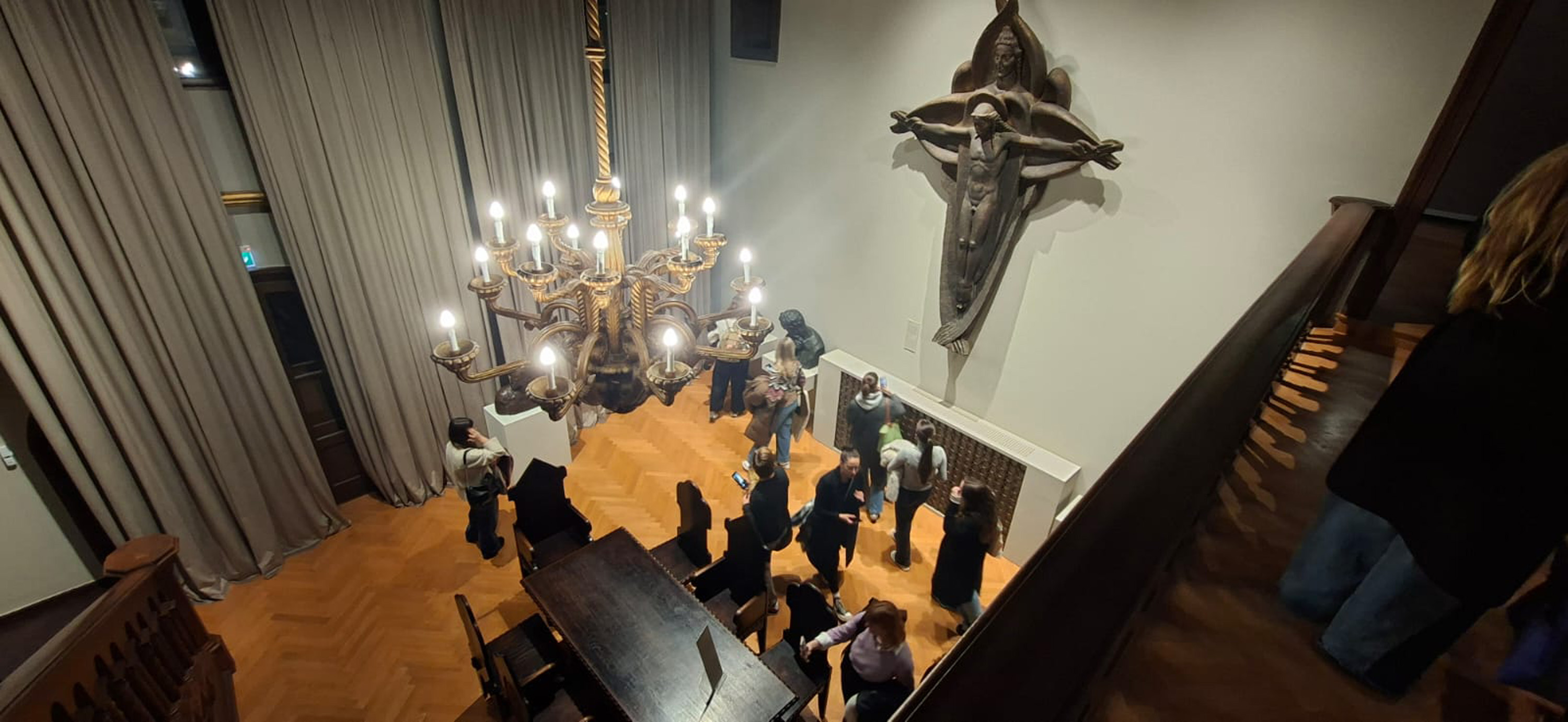
The Ivan Meštrović Atelier in Zagreb is a unique site that unites the artistic, historical, and spiritual dimensions of the life and work of Ivan Meštrović (1883–1962), one of the most important Croatian and European sculptors of the 20th century. It is located in the Upper Town, at 8 Mletačka Street, in a building that Meštrović purchased and adapted as his home and studio during the 1920s. The building itself represents a synthesis of art and architecture, designed in the spirit of classical and Mediterranean architectural traditions, with a spacious courtyard and studio areas filled with natural light.
Meštrović was actively involved in shaping the interior, including the design of furniture, lighting, and the layout of rooms, making the space a unique example of a “total work of art” (Gesamtkunstwerk). The Atelier radiates a sense of peace and creativity. Meštrović lived and worked in this space until 1942, when, under pressure from the political circumstances of the time, he left Zagreb and Yugoslavia. In 1952, through a Deed of Gift, he donated a large number of his works—including this building—to the Croatian people, which laid the foundation for the establishment of the museum.