Share
Fourth International Summer School “Practicing Resilience – Preparing for Recovery” Concludes in Dubrovnik
The program of the fourth international summer school “Practicing Resilience – Preparing for Recovery” concluded with a closing ceremony on Friday, 18 July 2025. The summer school was held in Dubrovnik from 10 to 20 July, organized by the Catholic University of Croatia in partnership with the Nanovic Institute for European Studies at the University of Notre Dame (USA), the Ukrainian Catholic University, and the Partnership of Catholic Universities.
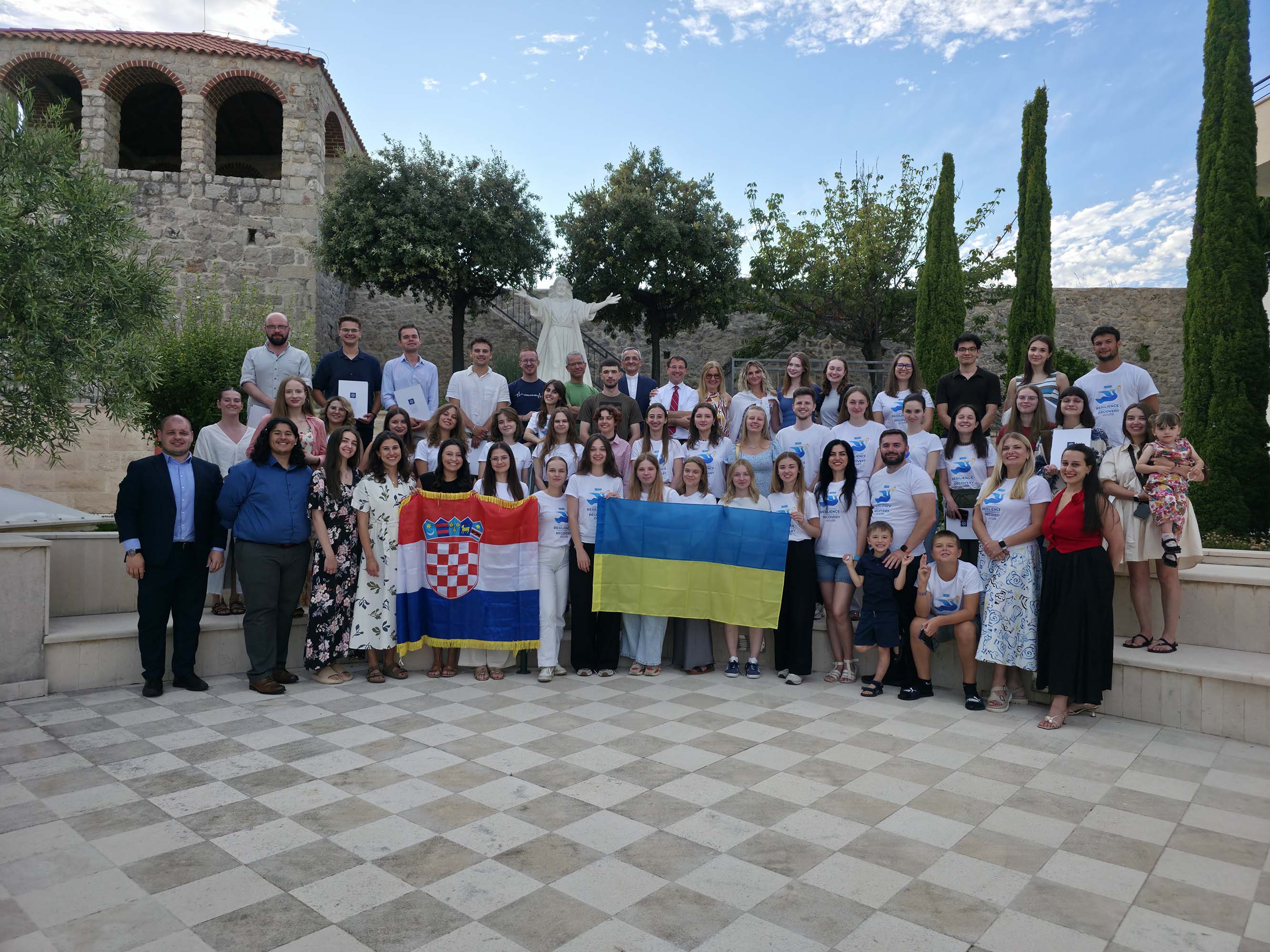
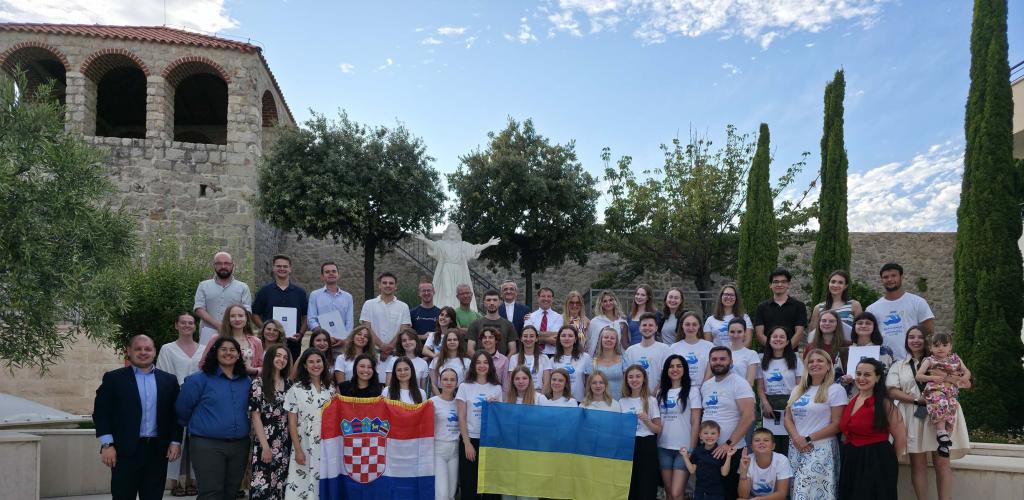
The school brought together professors and distinguished lecturers from various Catholic universities spanning from the United States to Ukraine, along with 42 students from Ukraine, Slovakia, Hungary, Georgia, Poland, the United States, and Croatia.
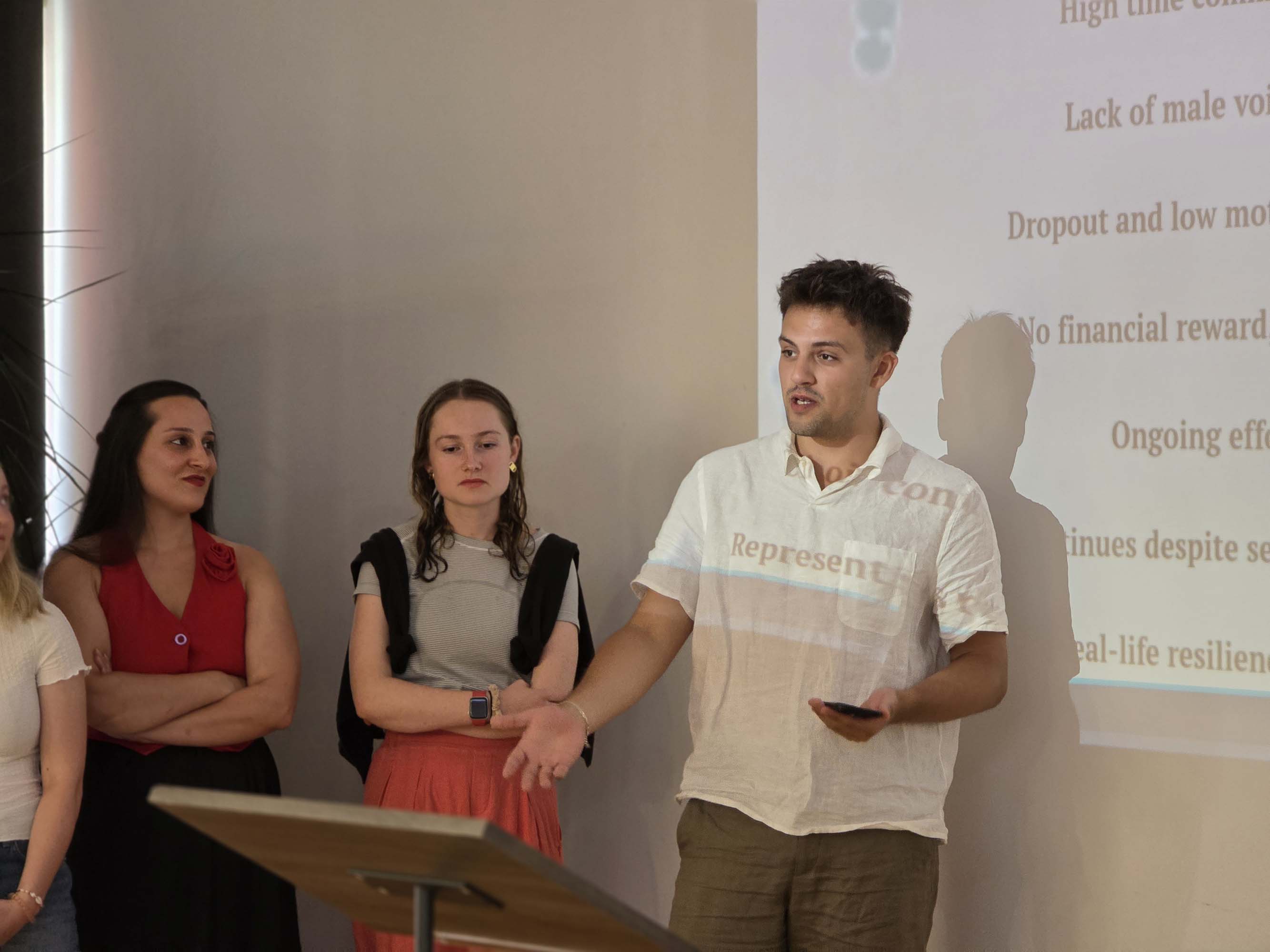
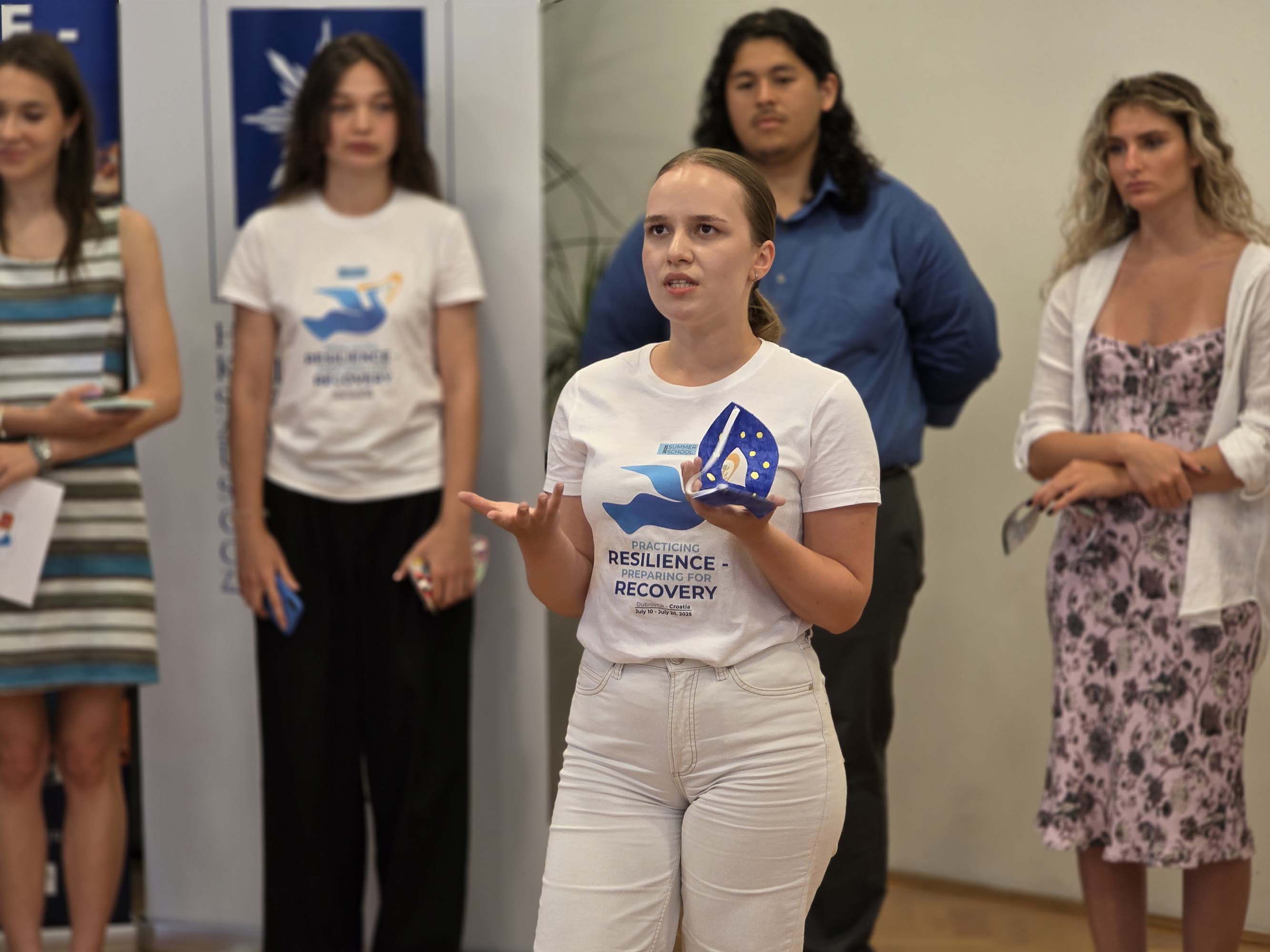
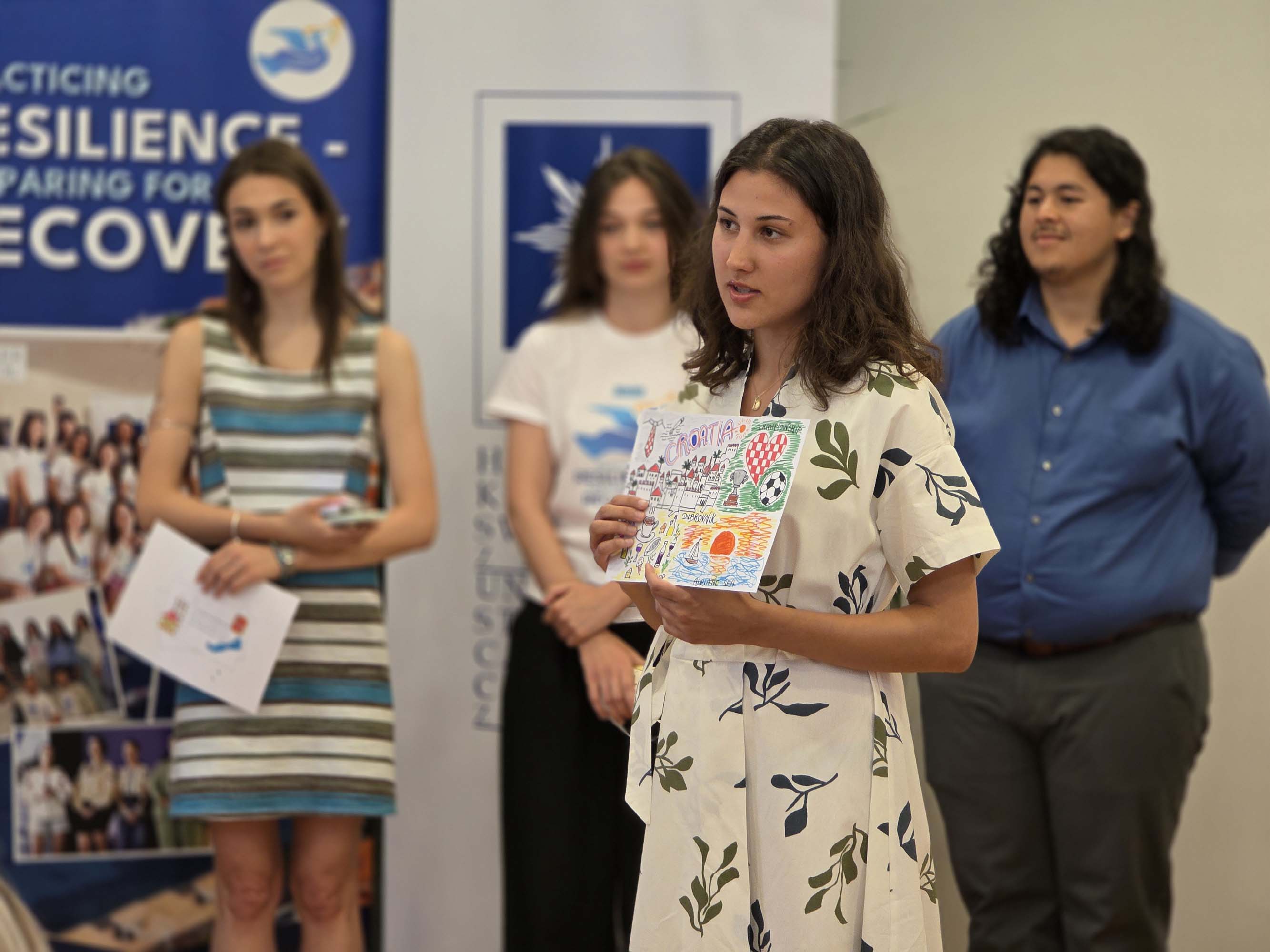
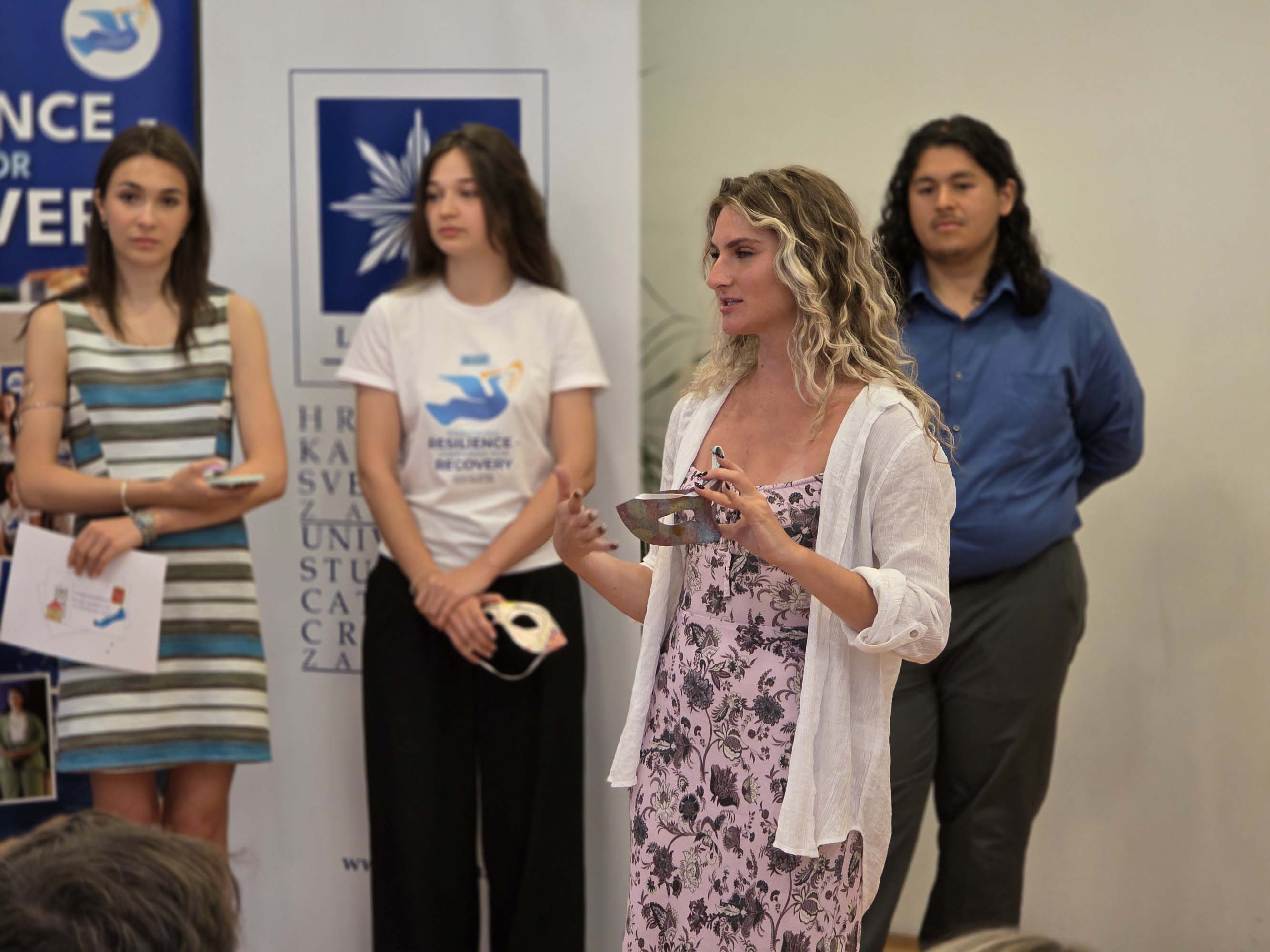
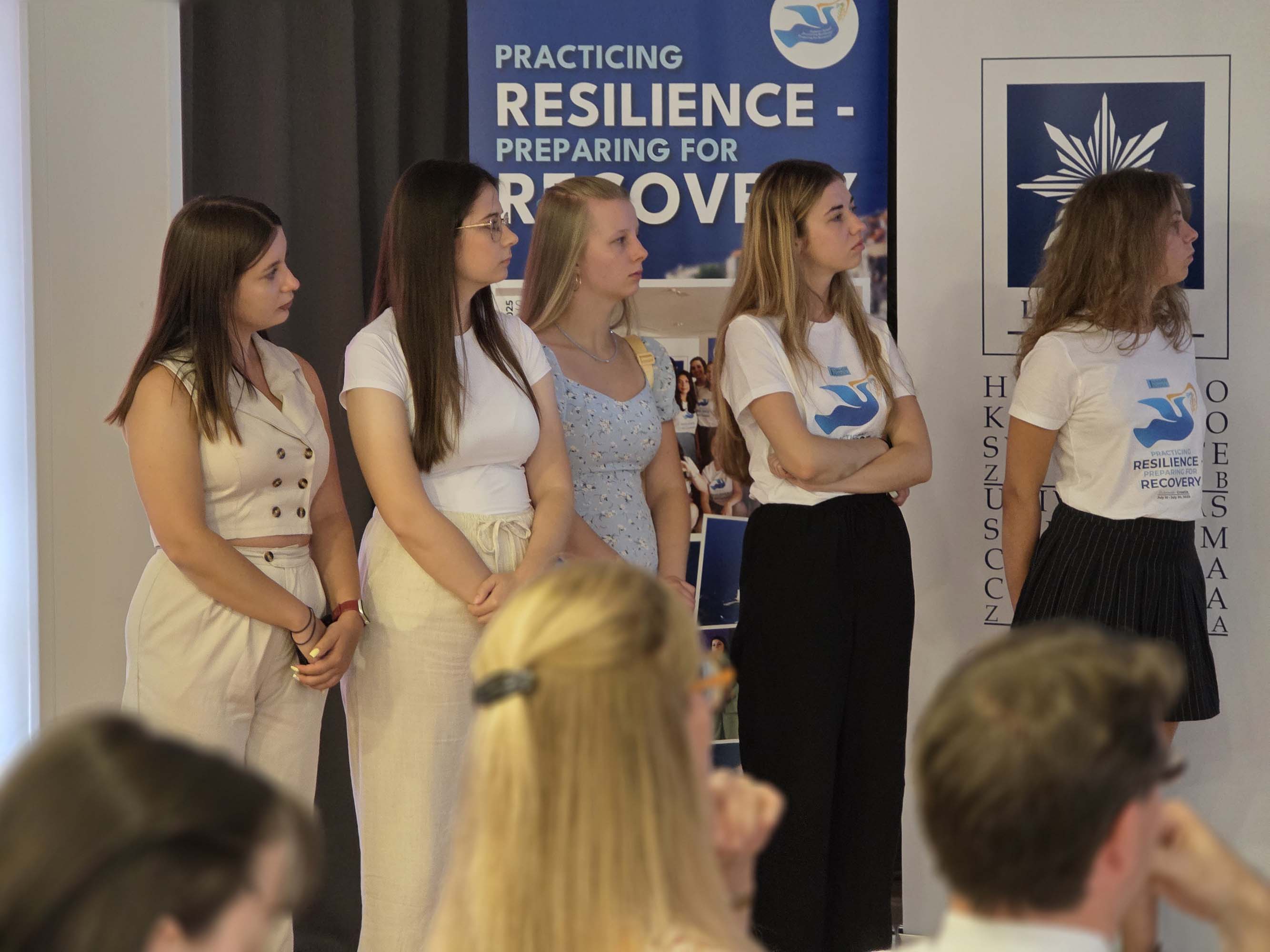
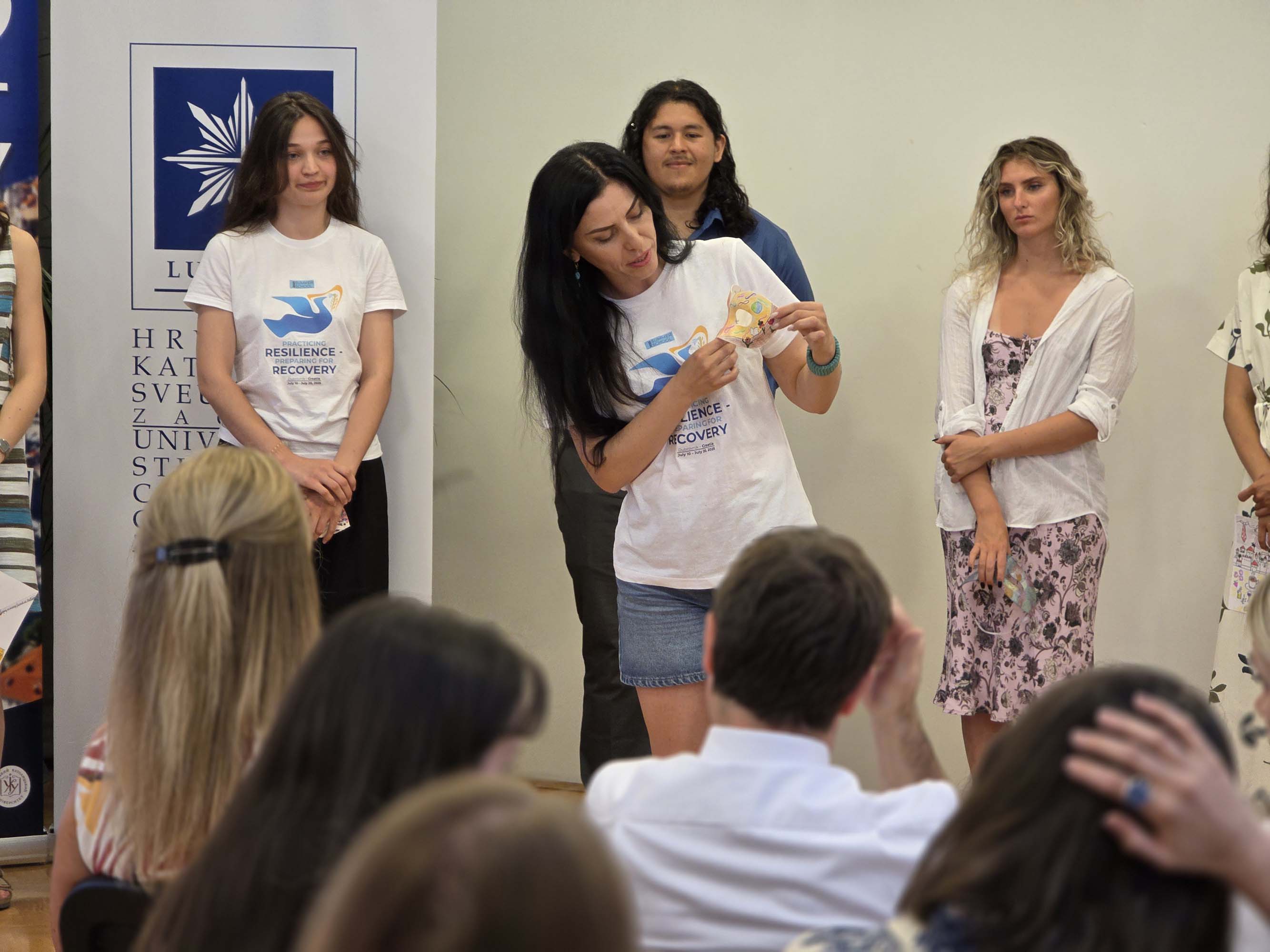
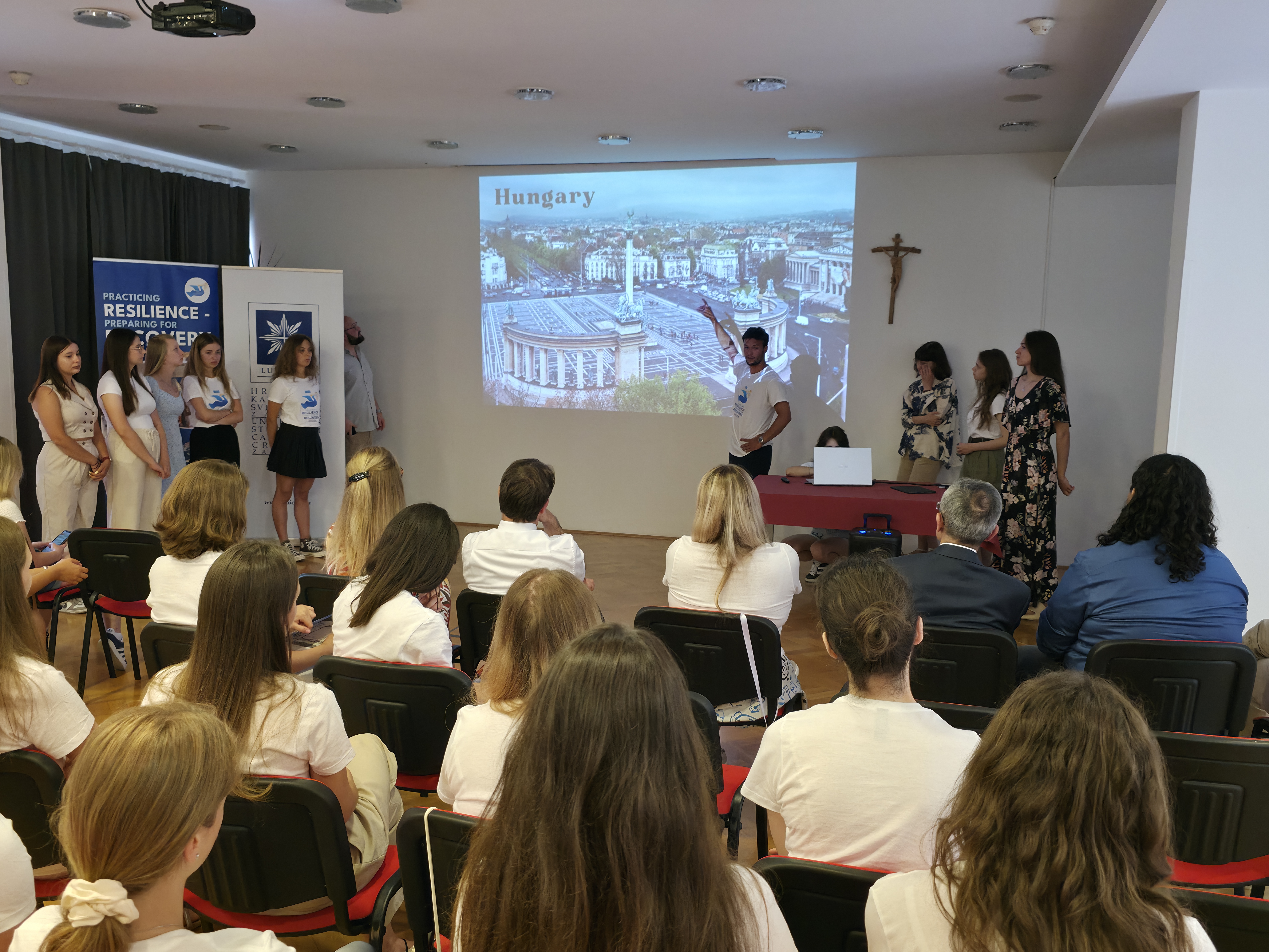
During the closing ceremony, the participants presented their final projects. The idea behind the projects was to incorporate insights from the lectures and workshops into group work—presenting symbols of resilience from their own national and local contexts, producing video features on resilience and recovery, and reflecting on the inner and external realities of themselves and their nations.
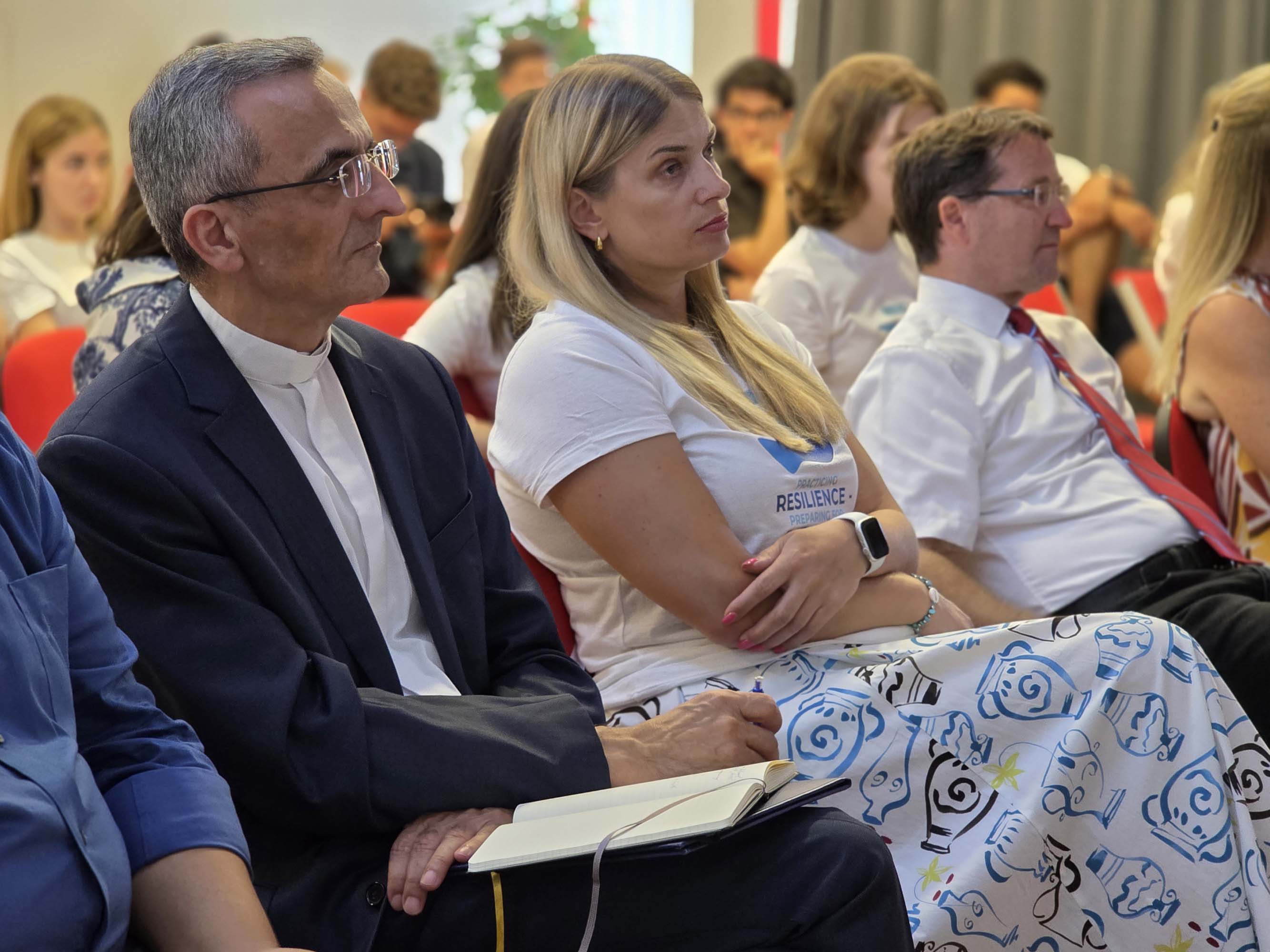
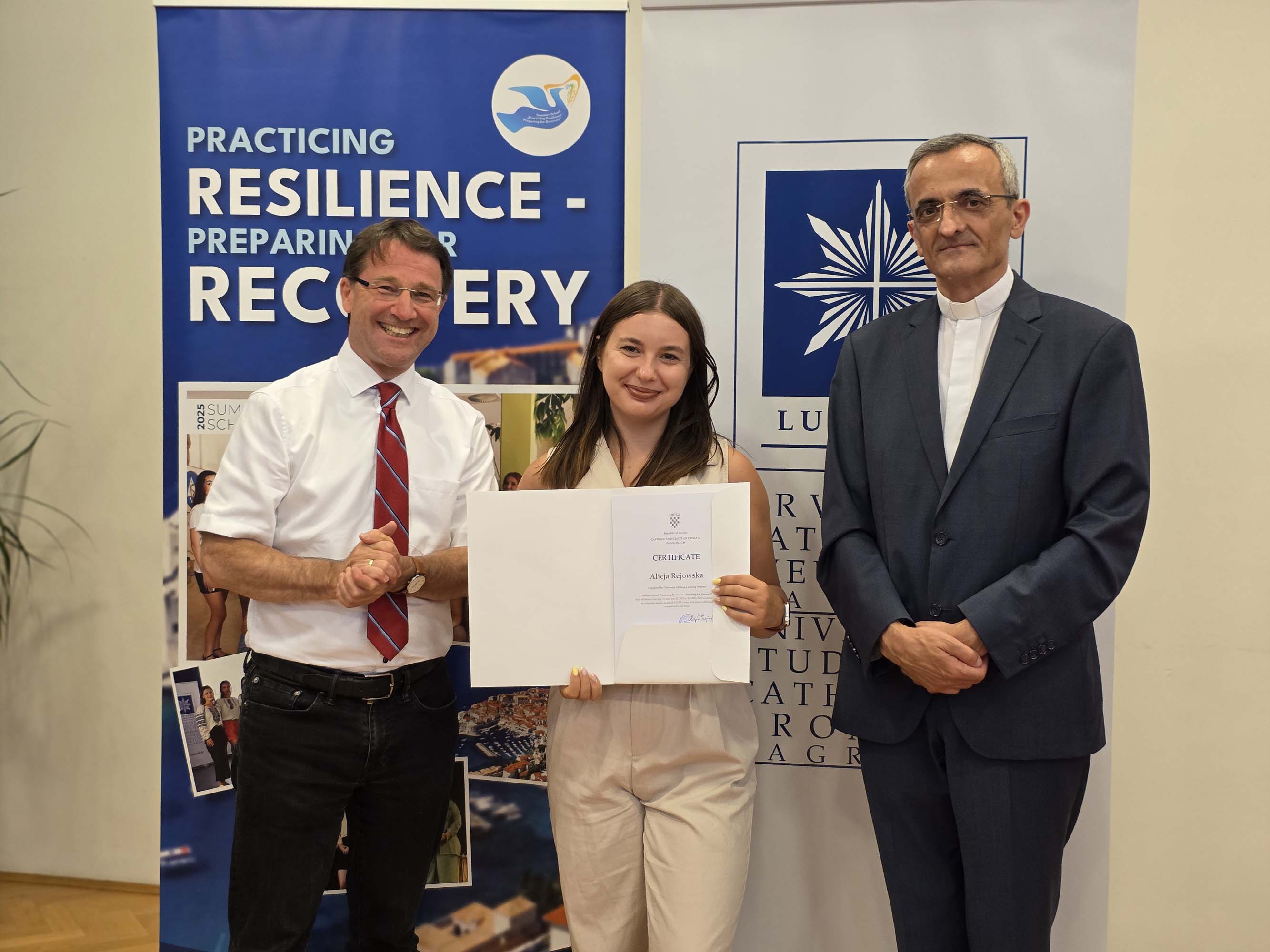
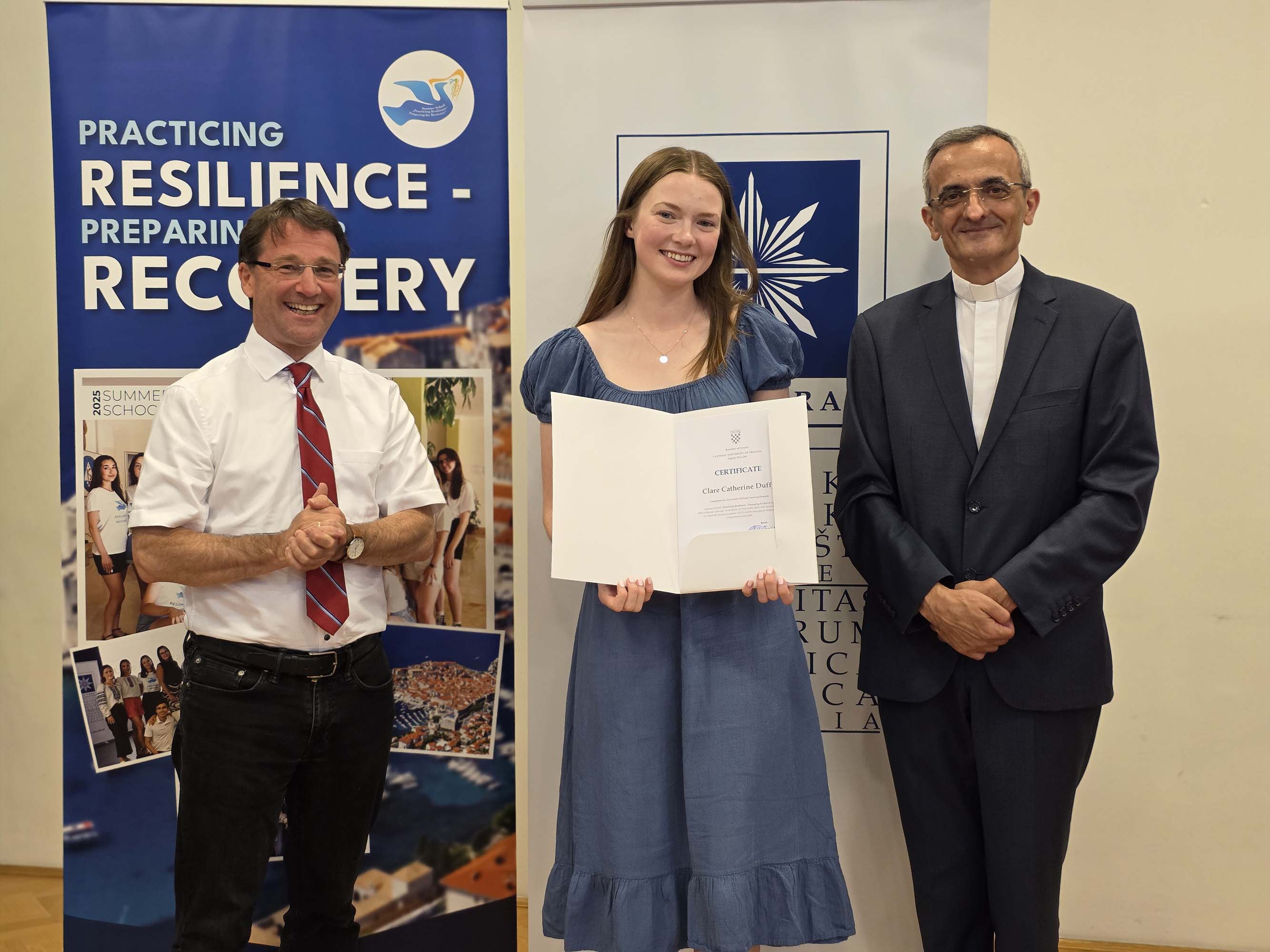
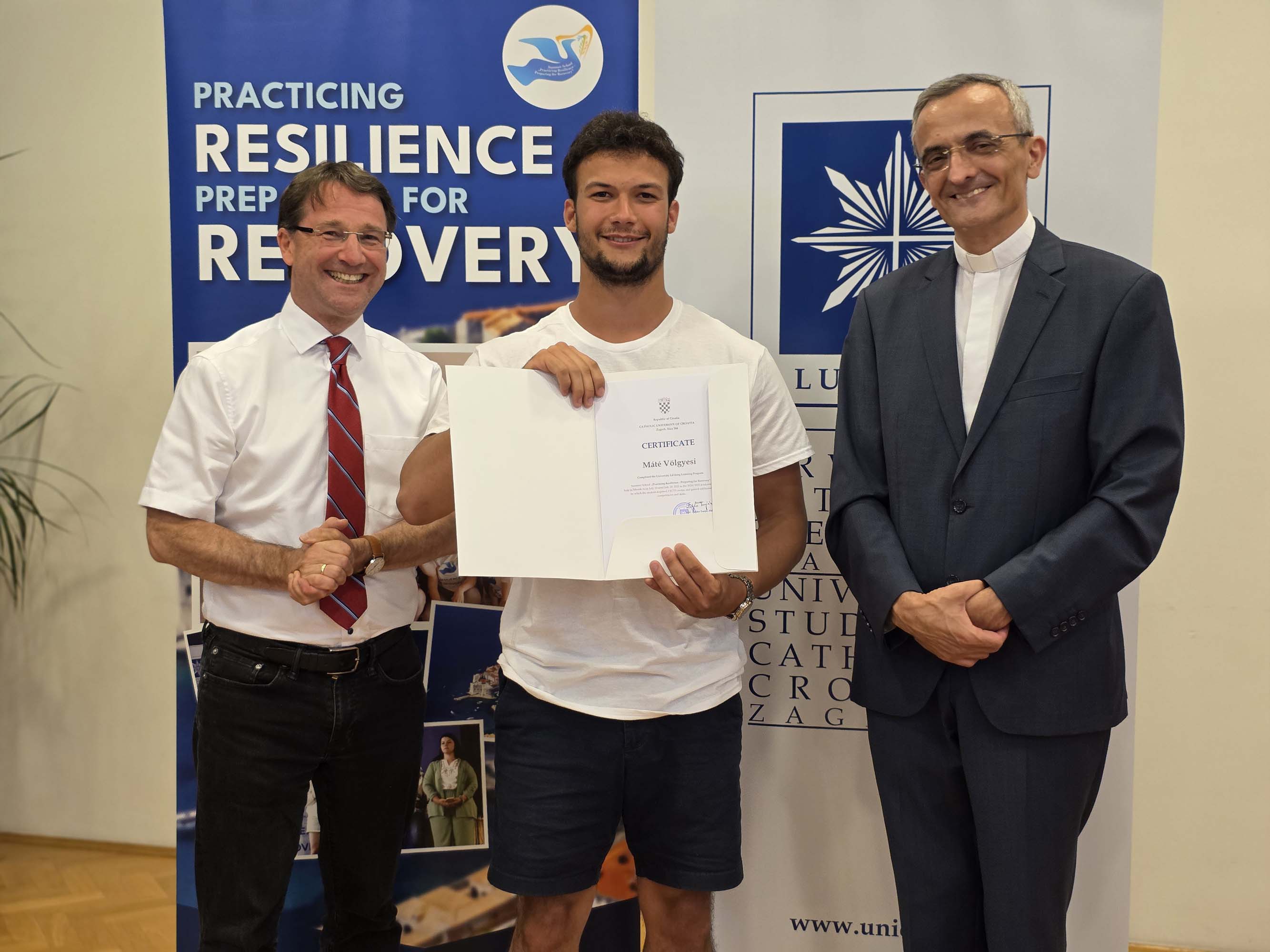
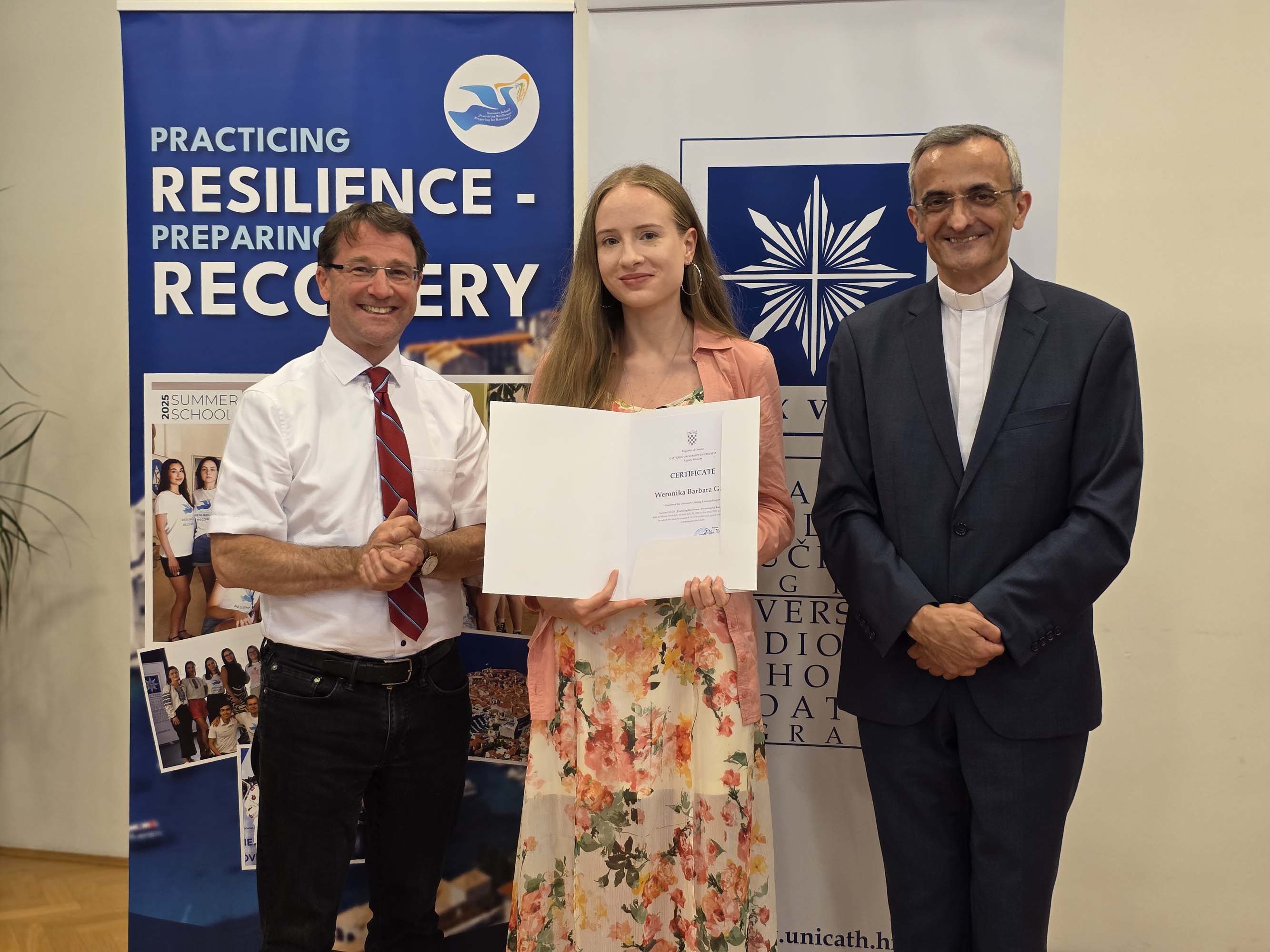
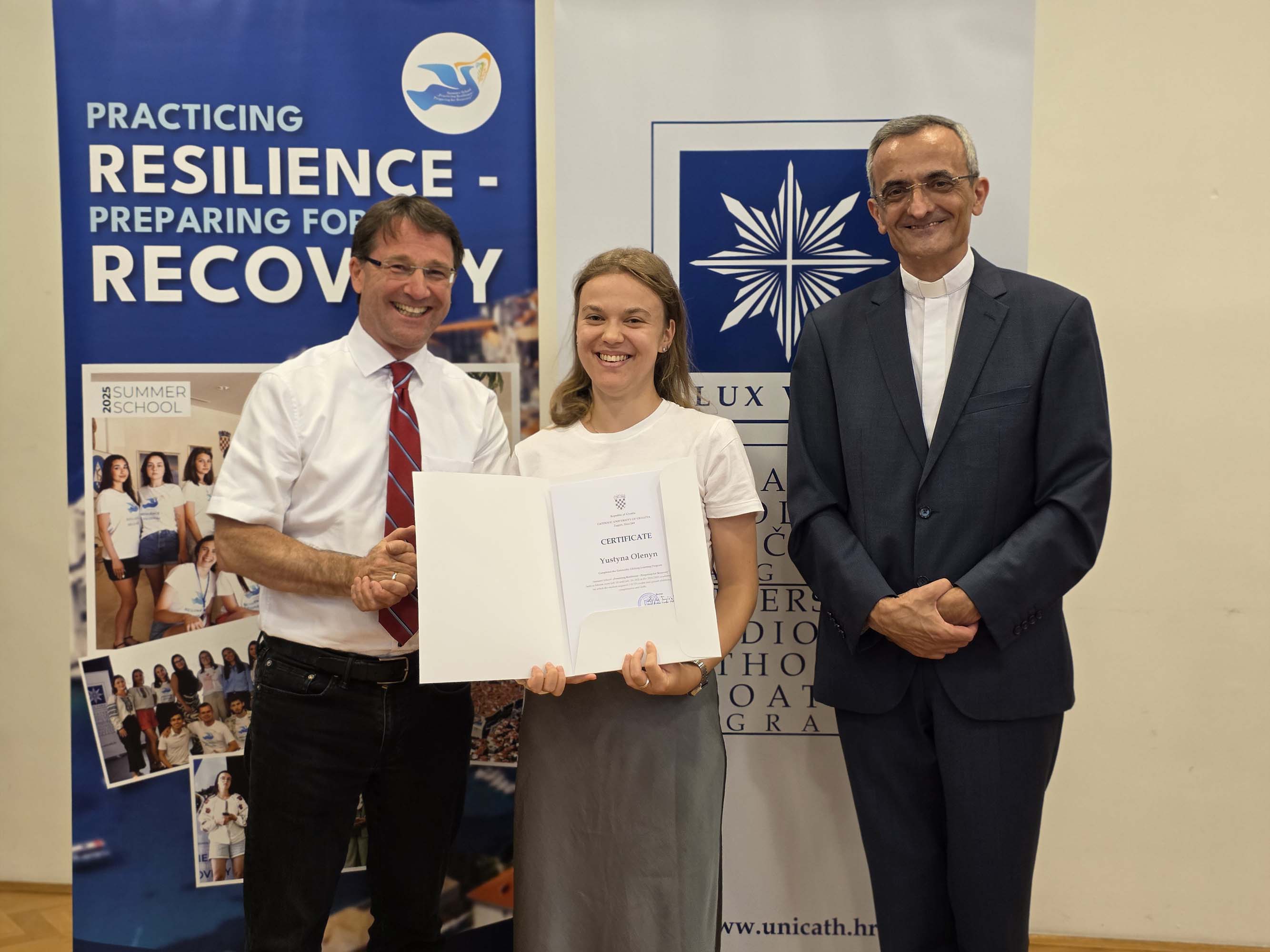
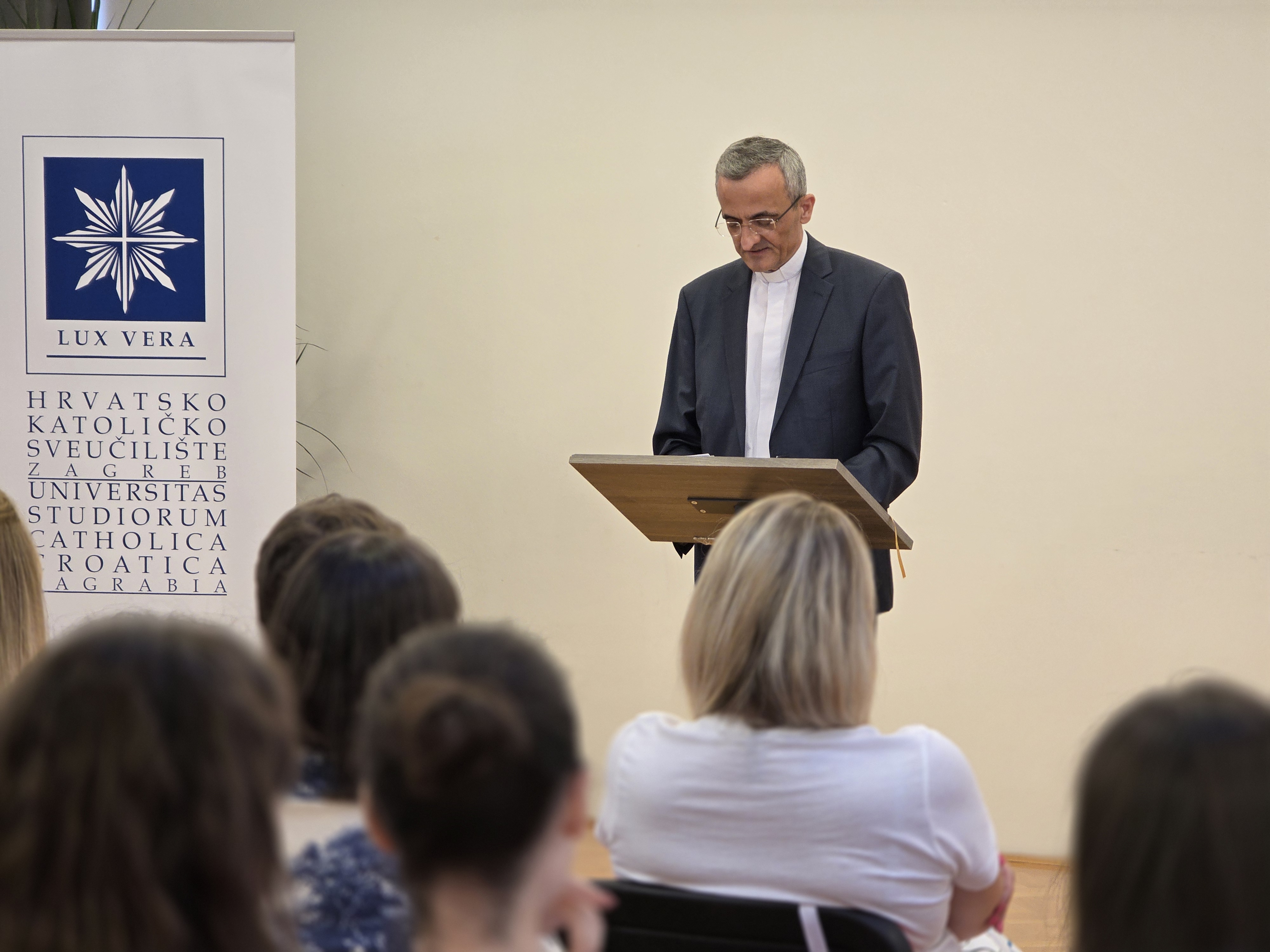
On behalf of the Catholic University of Croatia, Vice-Rector for Quality, Identity, and Mission, Prof. Ante Crnčević, Ph.D., delivered words of gratitude to all participants, lecturers, and organizers, after which he awarded certificates of participation.
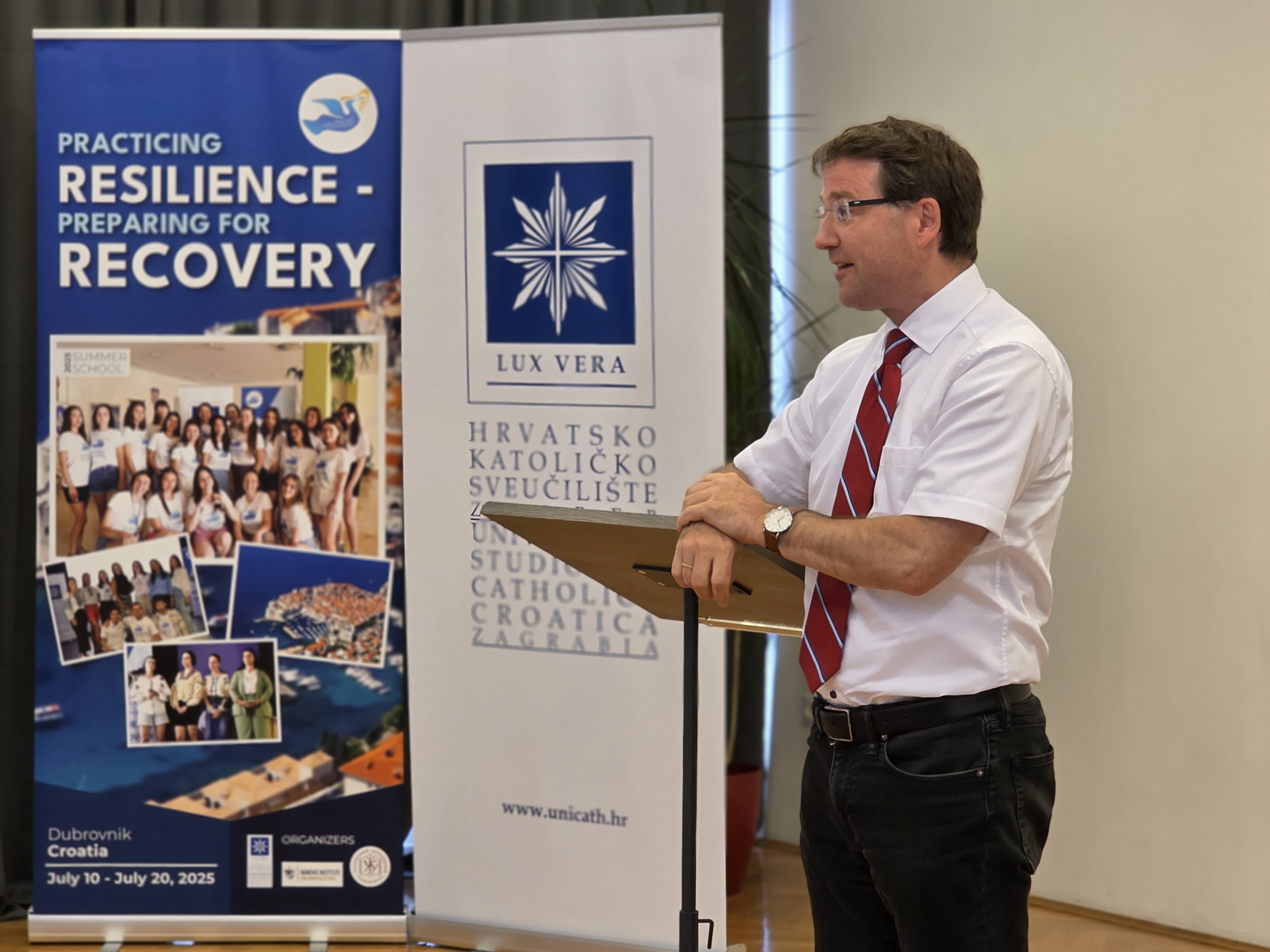
The participants were also addressed by Prof. Clemens Sedmak, Ph.D., Director of the Nanovic Institute, who congratulated them on their excellent projects and achievements, expressing his confidence that the Summer School would help them in facing complex life situations where resilience, sensitivity, and mindfulness are of great importance.
The program offered students an educational component of 12 hours of lectures, seven hours of workshops, six and a half hours of project work, and more than 30 hours of reading materials that introduced them to the concepts of resilience and post-war recovery. Teaching was delivered through interactive methods and a variety of media to ensure active student participation. To provide a holistic approach, participants were also offered spiritual, social, cultural, and sports activities.
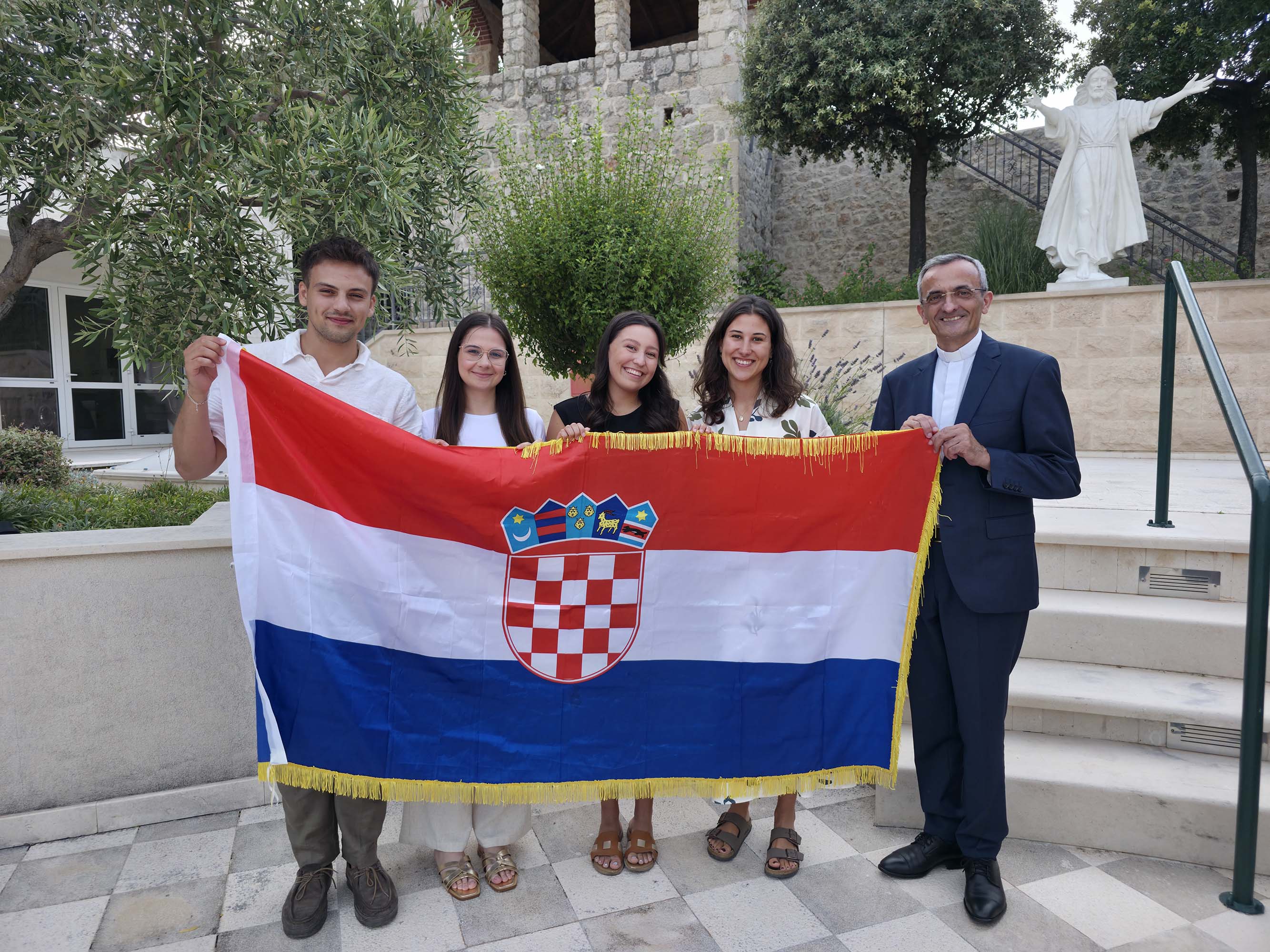
The Summer School in Dubrovnik was led by Luka Poslon, with the support of HCU chaplain Rev. Branimir Jagodić and students Ariela Matić, Ema Magdić, and Nora Kljaić, to whom, on behalf of our academic community, we extend sincere thanks for their availability, creativity, and dedication to this important project of our University.