Share
Scientific Conference “Artificial Intelligence and Social Change” Held at the Department of Sociology
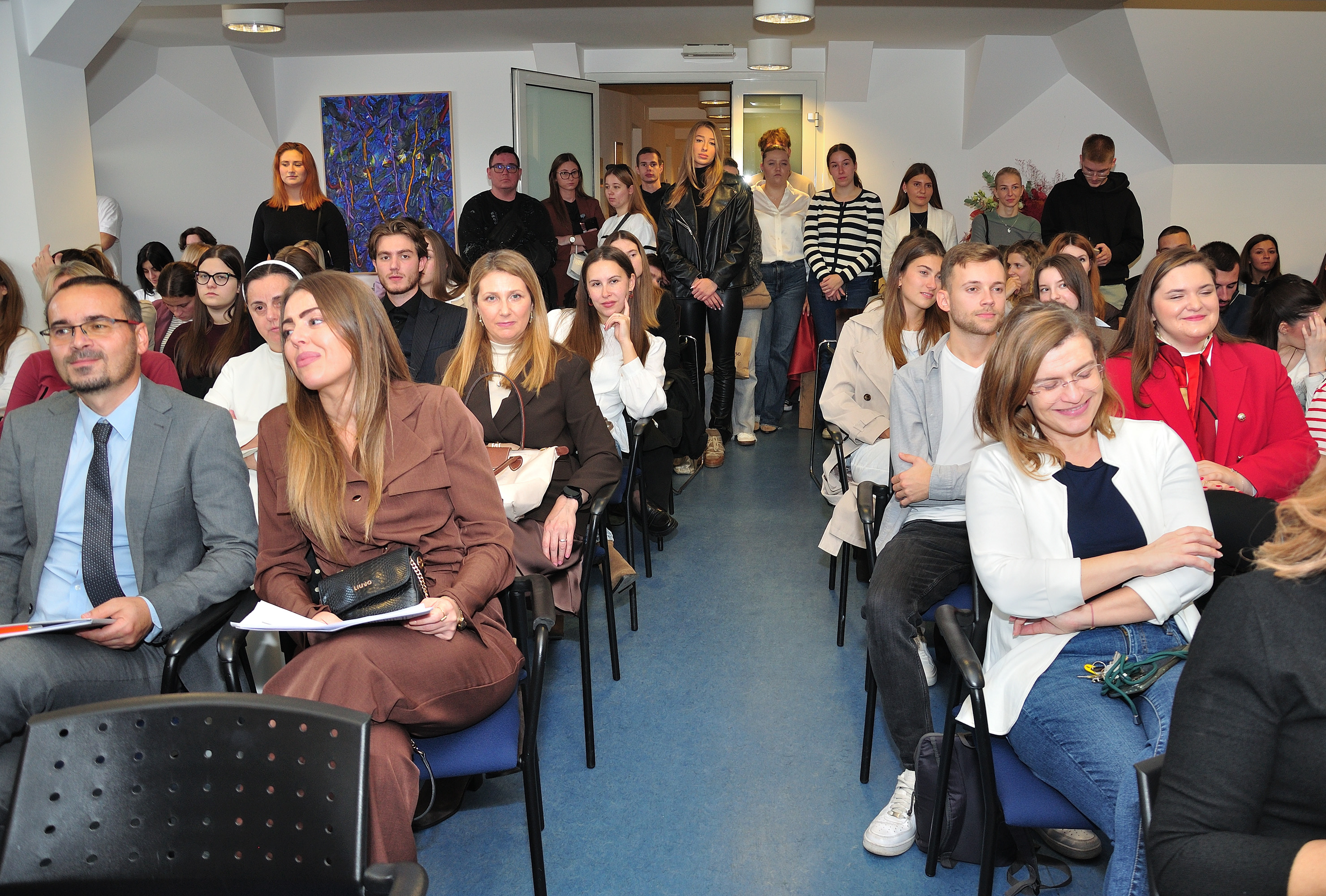
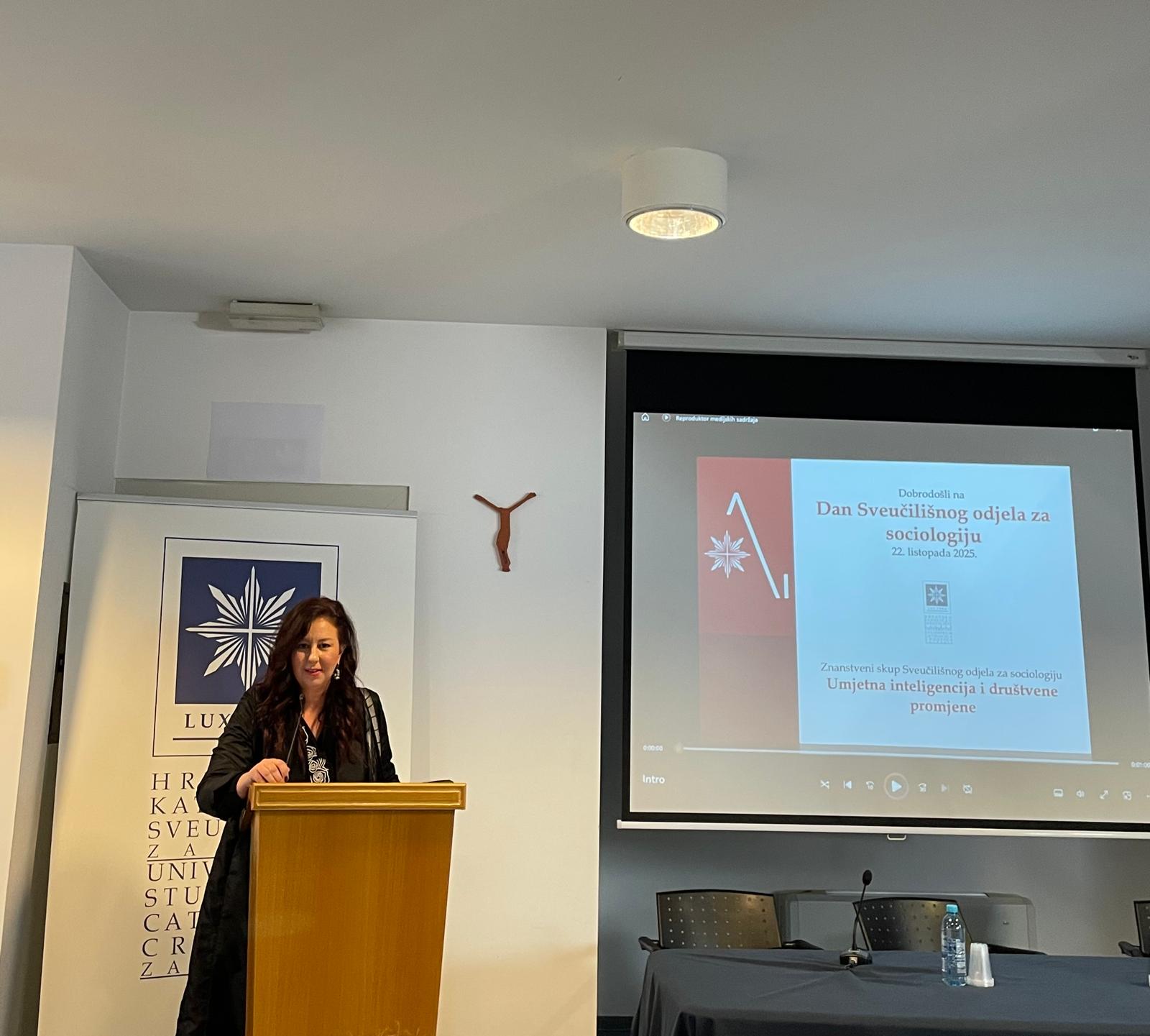
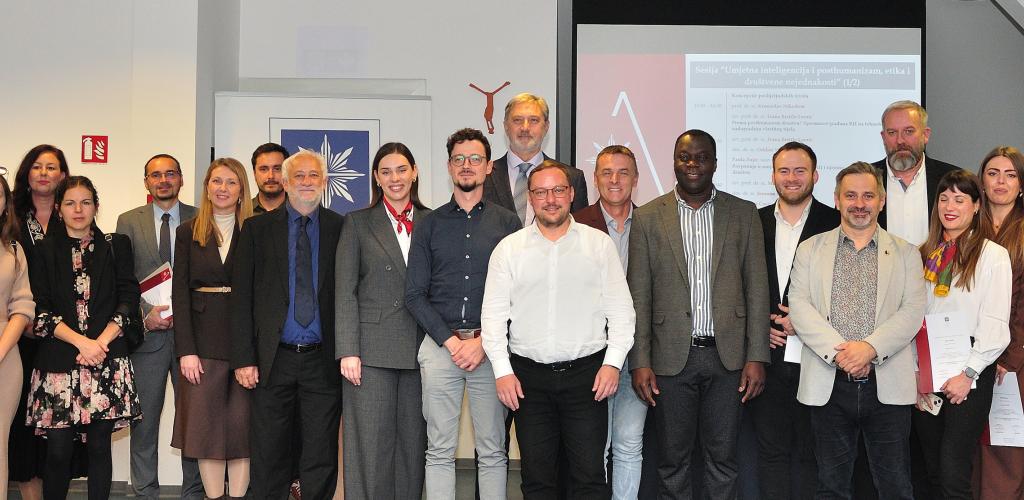
As part of the Days of the Department of Sociology of the Catholic University of Croatia, a scientific conference titled “Artificial Intelligence and Social Change” was held on 22 October 2025. The event brought together scholars and researchers from the Department of Sociology, the University Chair of Theology, and the Faculty of Technical Sciences at CUC, as well as sociologists from the Faculty of Croatian Studies, the Faculty of Humanities and Social Sciences, and the Faculty of Mechanical Engineering and Naval Architecture of the University of Zagreb.
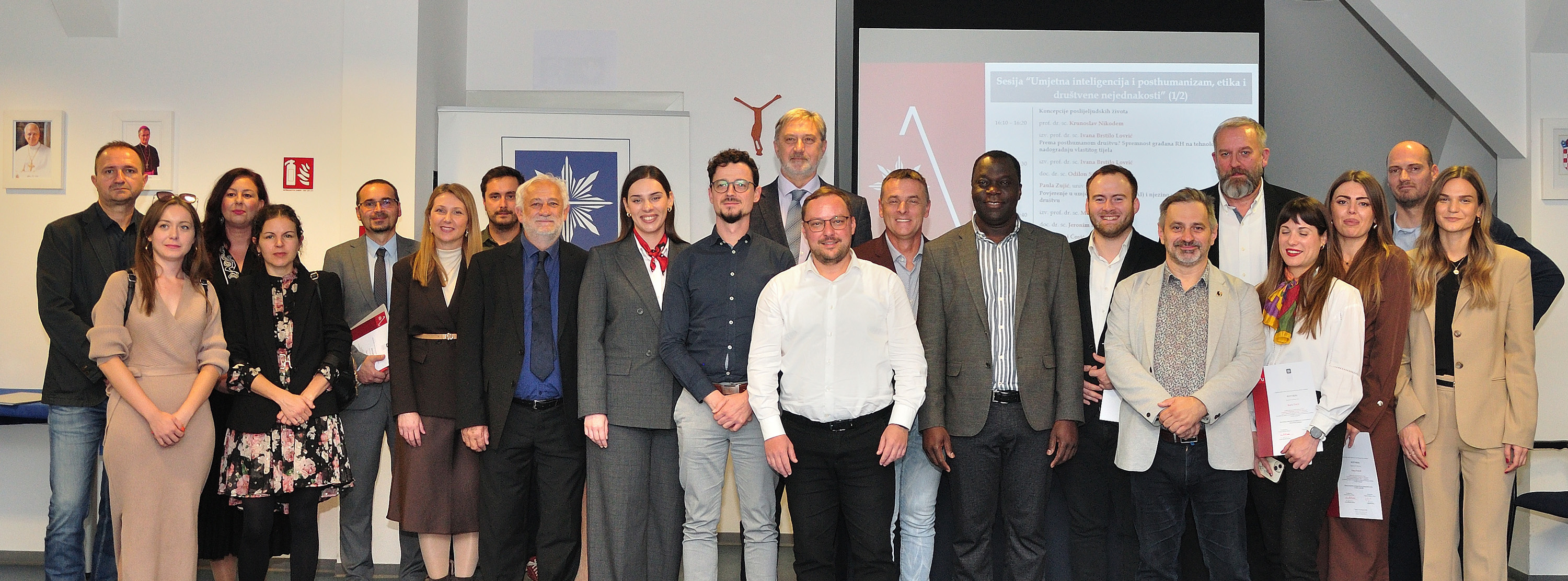
The presenters shared findings from a panel-based research study conducted by the Hendal Market Research Agency on a representative sample of 500 Croatian citizens aged 16 and older. The Department of Sociology extends special thanks to Hendal for fostering collaboration with the academic community and providing valuable professional practice opportunities for students.

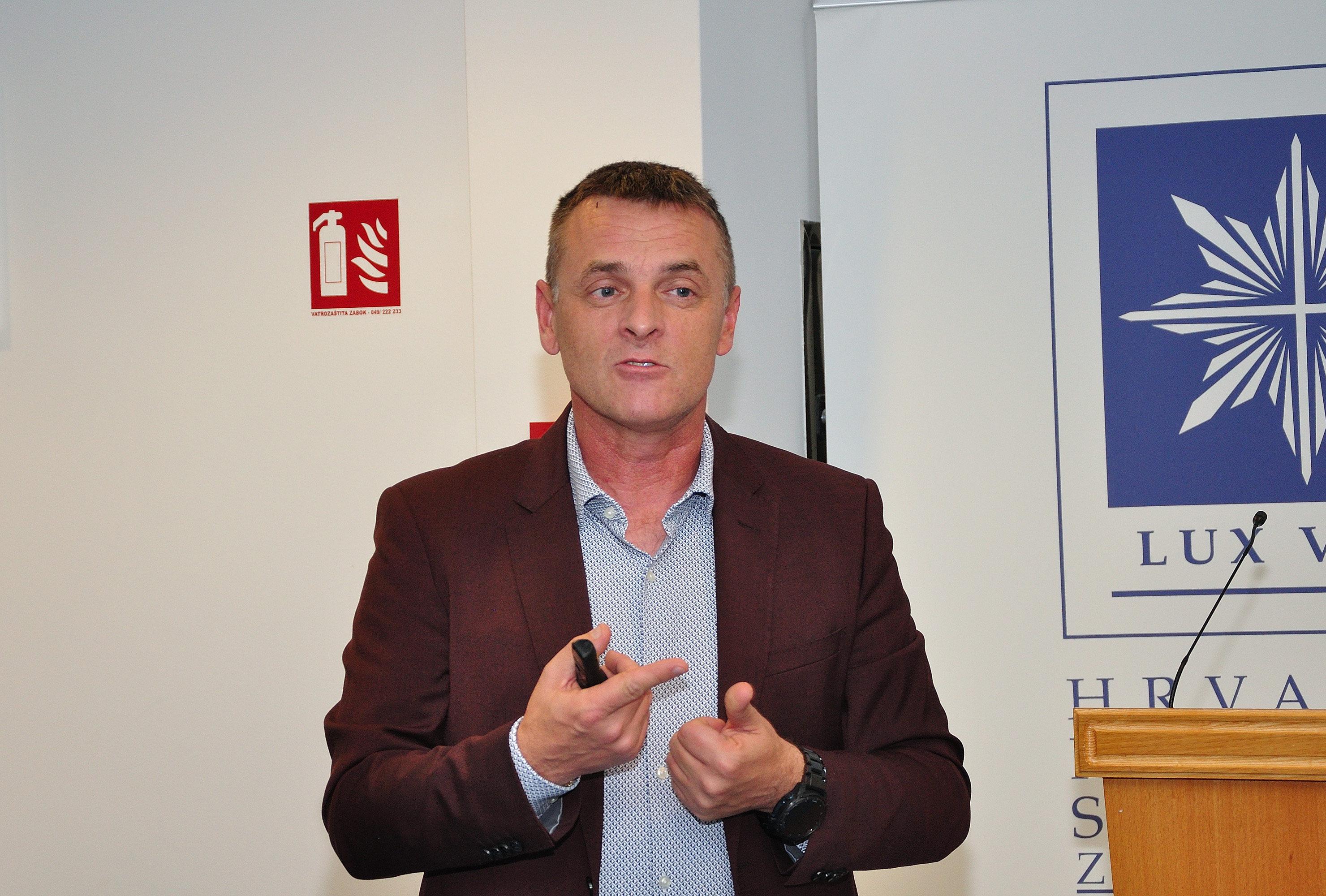
The research findings will be further presented through the publication of peer-reviewed papers by participating teams in the journal Interdisciplinary Description of Complex Systems – INDECS, with the editorial board recognizing the scientific value and thematic contribution of the conference. In his opening remarks, Prof. Dr. Zlatan Car, Dean of the Faculty of Technical Sciences at the Catholic University of Croatia, addressed the topic in an engaging and interactive manner, exploring artificial intelligence through technical, social, sociological, and ethical perspectives. He emphasized that while AI has deep historical roots, it has become a global phenomenon in a very short time, requiring a multidisciplinary approach—praising the Department’s initiative for organizing such an event.
First Session: Artificial Intelligence and Society – Everyday Life, Work, and Science
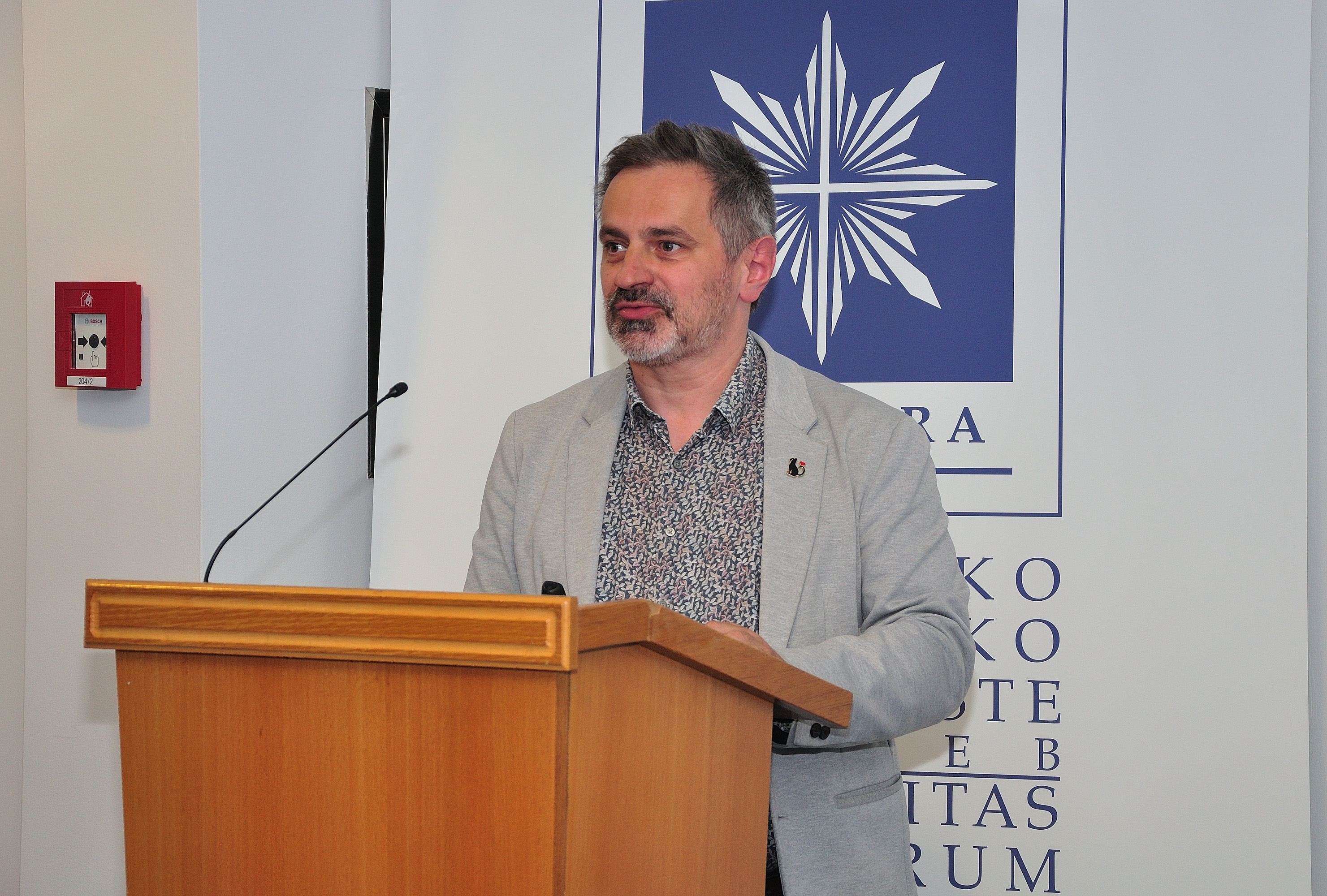
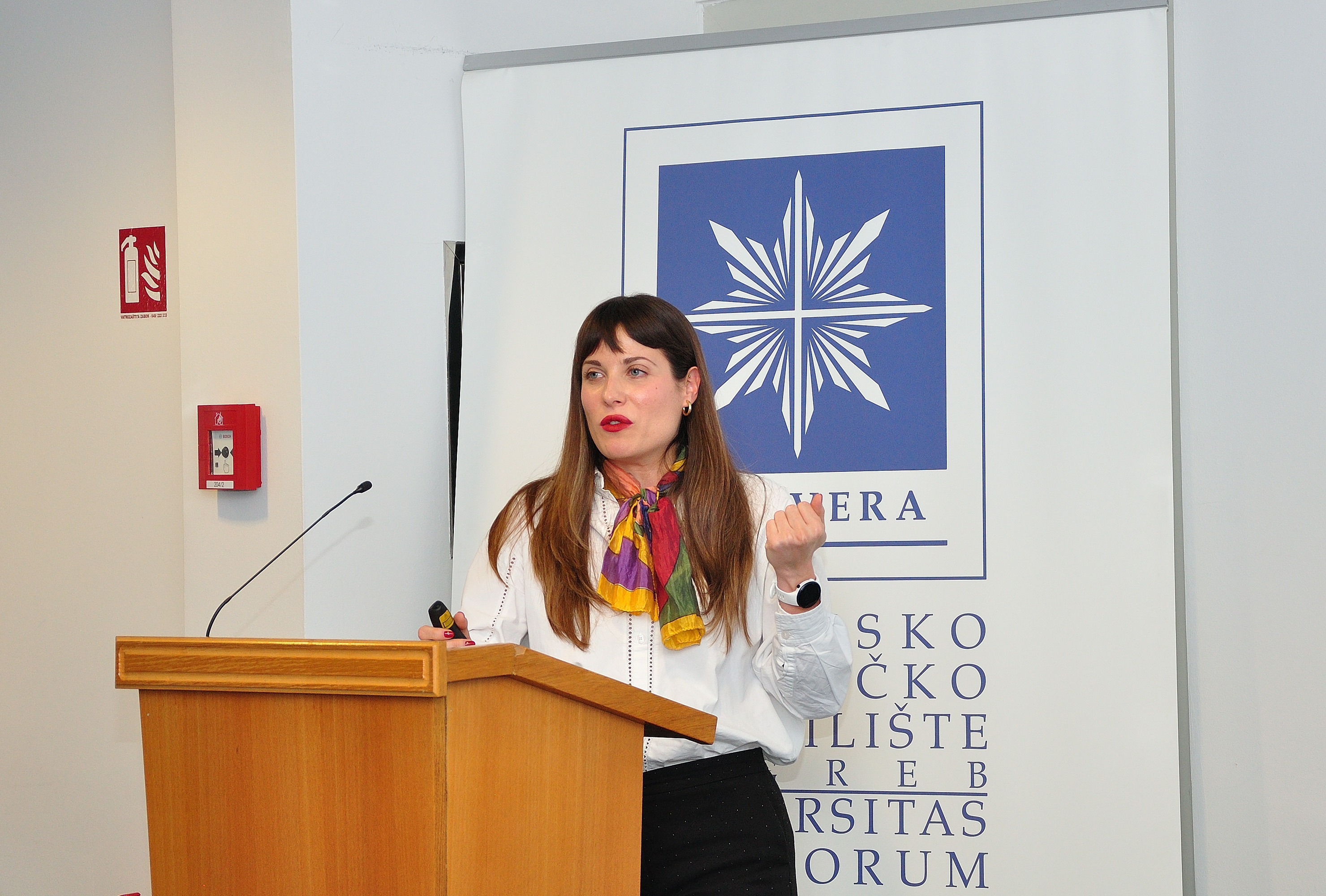
In the opening session, Assoc. Prof. Dr. Damir Mravunac, Dr. Karla Žagi, and Valentina Petrović discussed the use of artificial intelligence in the daily lives of Croatian citizens. Their presentation examined whether society is currently undergoing a process of “domesticating” AI and explored the social implications of choosing to adopt or avoid it in everyday life.
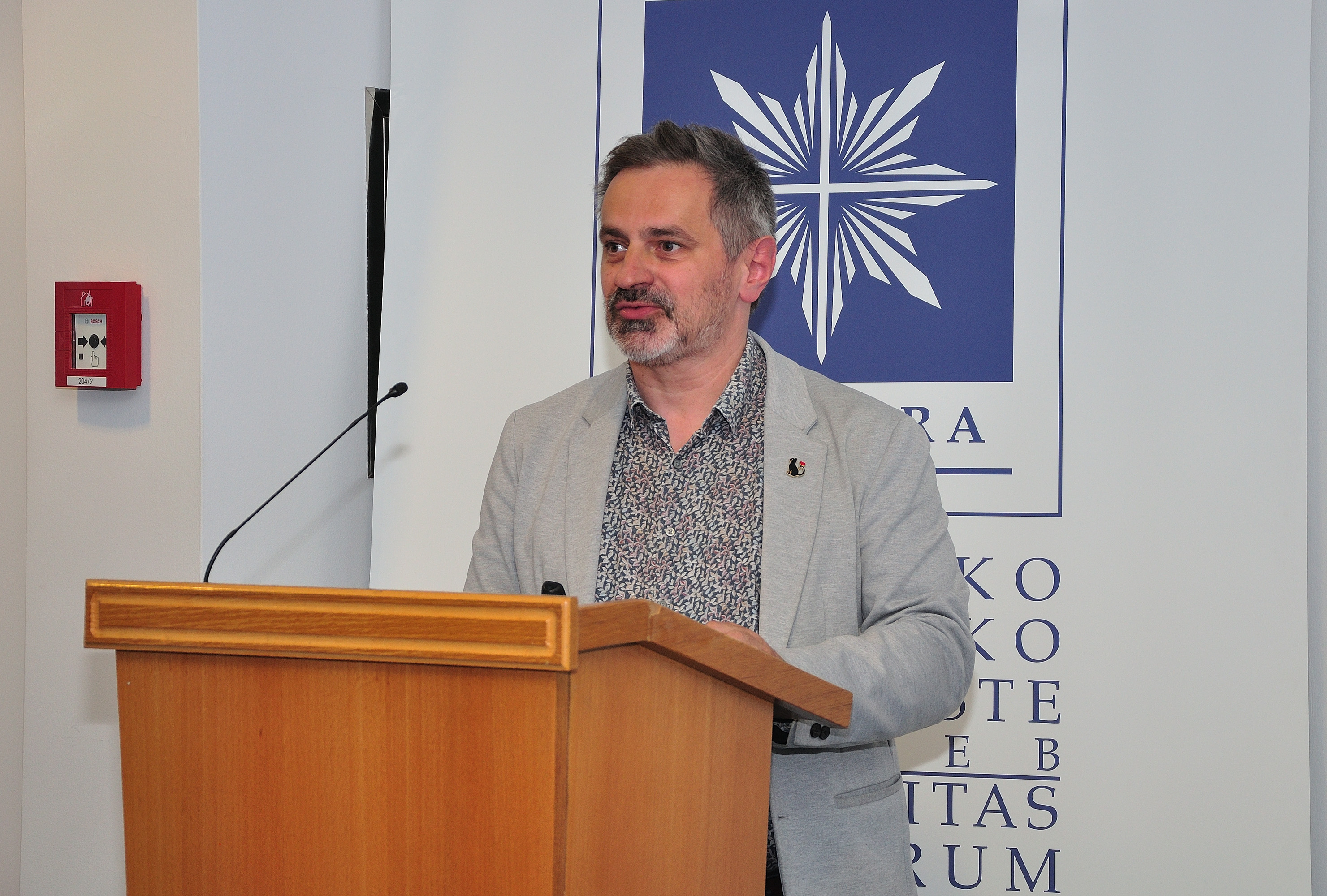 |  |
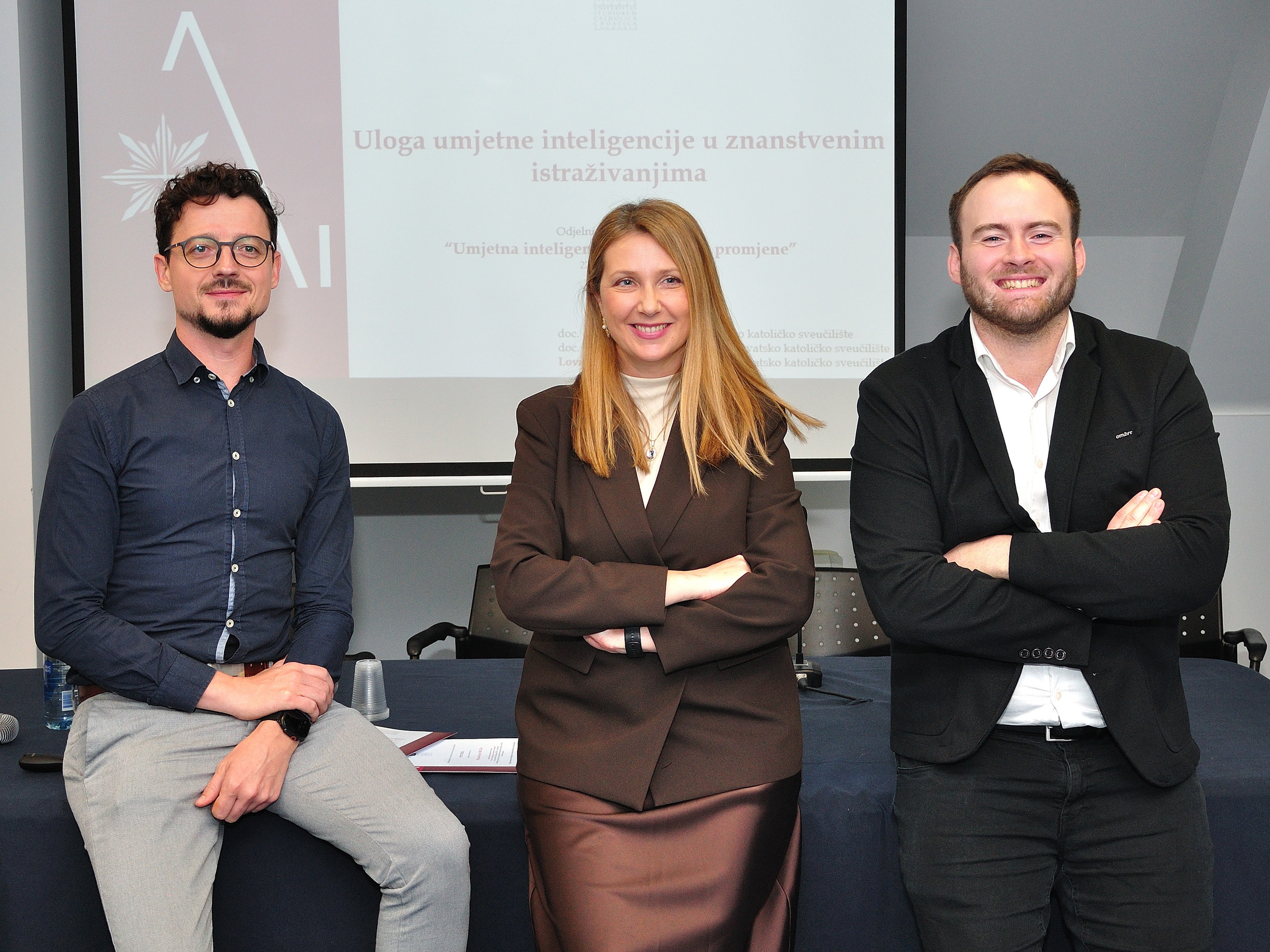
Assoc. Prof. Dr. Petra Palić, Dr. Tomislav Belić, and Prof. Dr. Roko Mišetić emphasized that trust and knowledge are key prerequisites for the active use of AI. Although citizens generally do not fear direct job loss, they recognize the broader market uncertainty associated with AI technologies. The study also revealed strong public support for AI regulation, with respondents linking regulatory frameworks to trust in science and social responsibility.
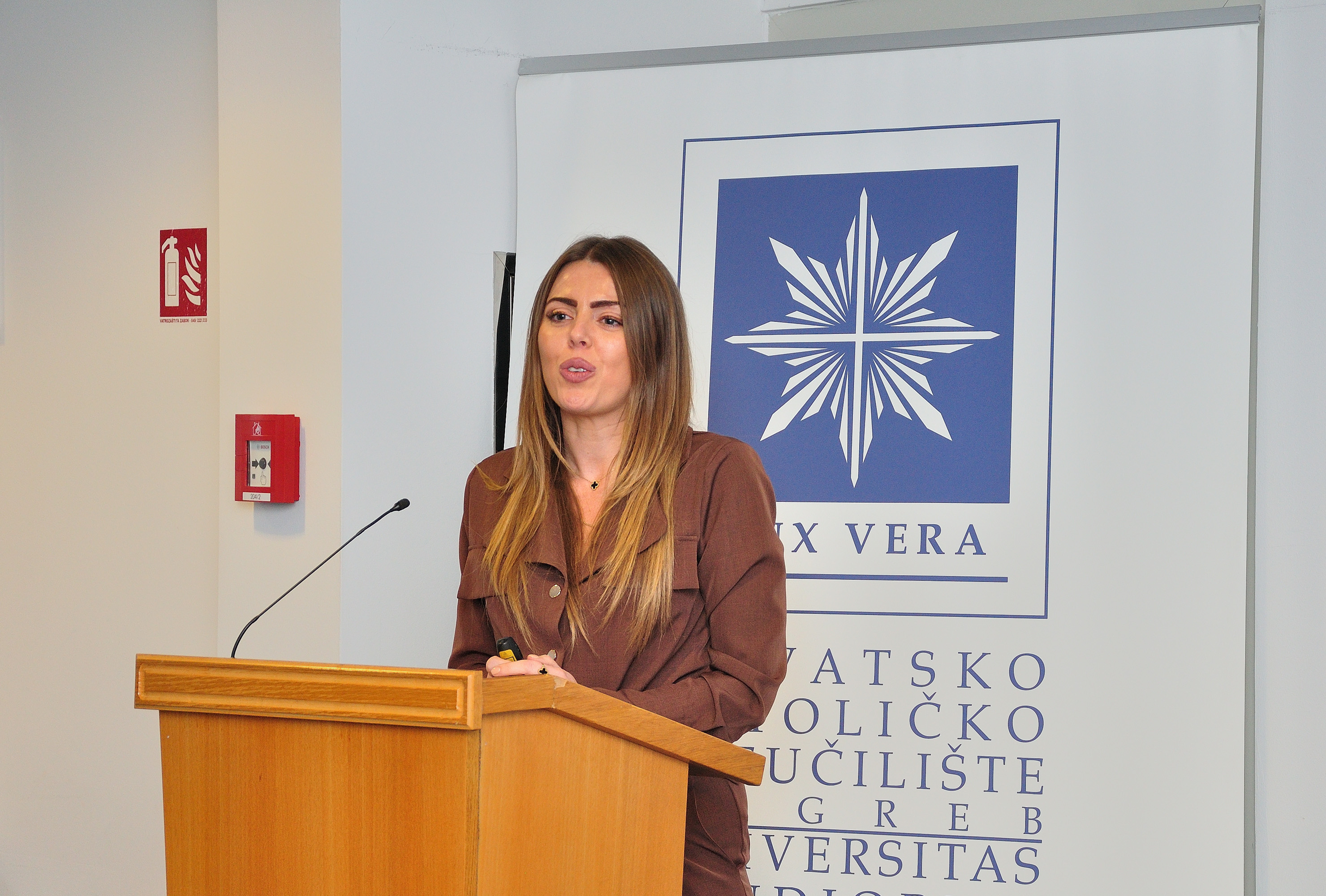
In their presentation, Assoc. Prof. Dr. Josip Ježovita, Assoc. Prof. Dr. Miriam Mary Brgles, and PhD candidate Lovro Knežević highlighted that greater familiarity with and more frequent use of AI tools in academic work correspond to more affirmative attitudes toward their role in the scholarly community. Availability, digital literacy, and digital communication were identified as key elements of digital citizenship, which the authors connected to the role of AI in education and research.
Second Session: Artificial Intelligence, Posthumanism, Ethics, and Social Inequality
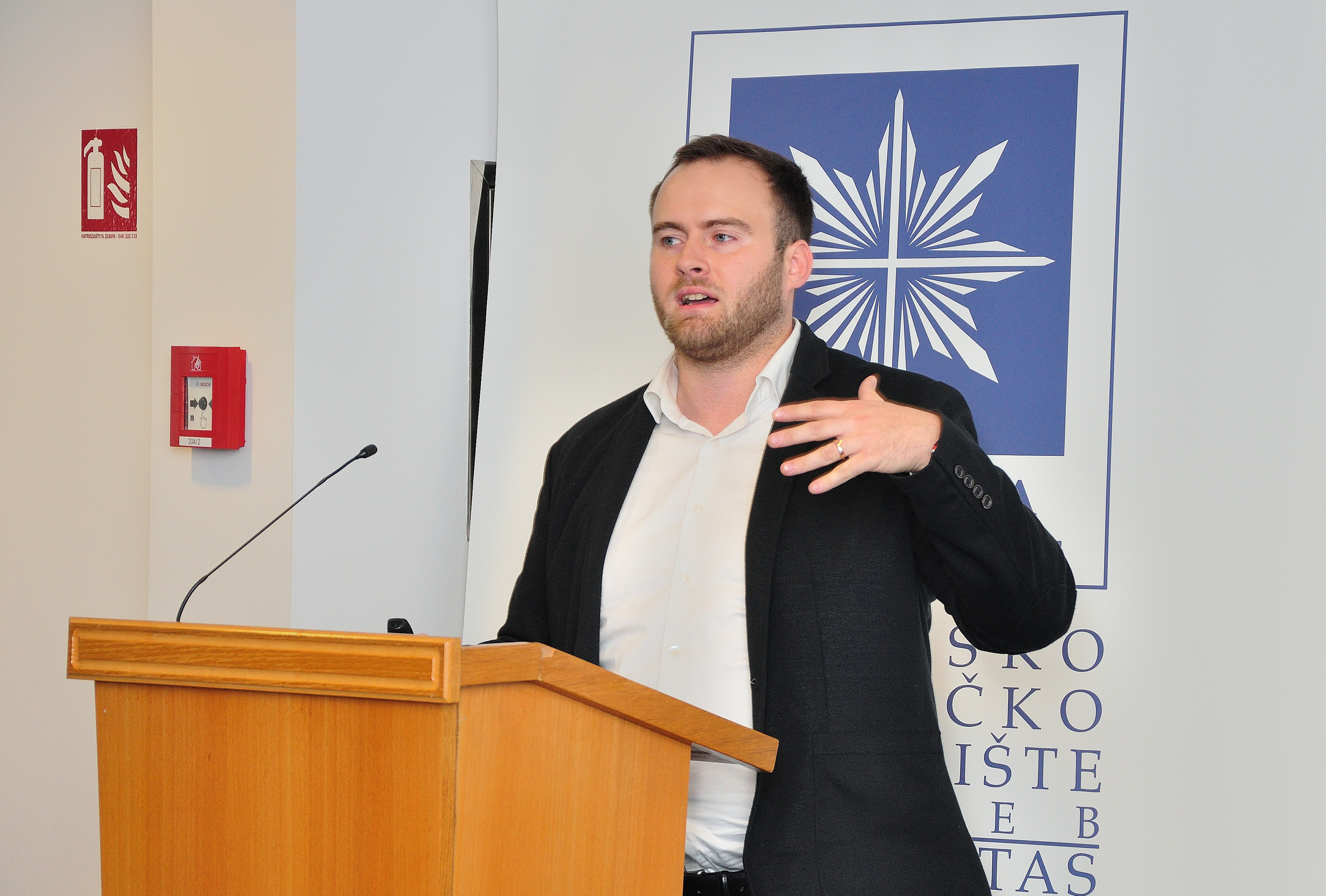
In the second session, Prof. Dr. Krunoslav Nikodem and Assoc. Prof. Dr. Ivana Brstilo Lovrić analyzed two concepts of posthuman life—the cyborg and the “child by design.” Their research confirmed a growing acceptance of posthumanist ideas in contemporary Croatian society, with respondents showing greater approval of the cyborg concept than that of the designed child.

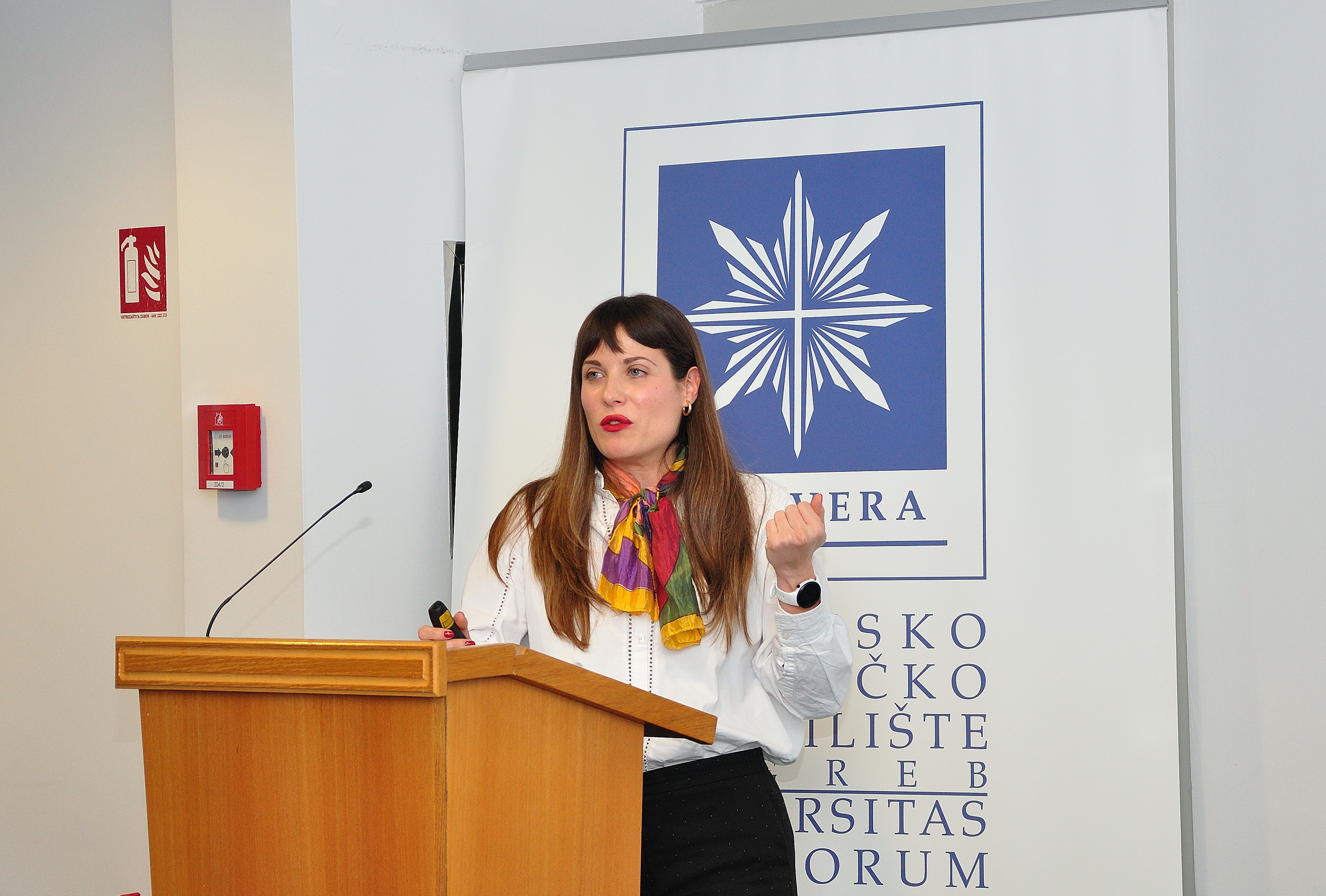
Assoc. Prof. Dr. Ivana Brstilo Lovrić, Assoc. Prof. Dr. Odilon Singbo, and PhD candidate Paula Zujić examined Croatian citizens’ readiness to embrace technological augmentation of the human body. A significant proportion of respondents were undecided or unsure whether they would accept AI integration into their bodies—for thought-controlled devices, health improvement, or physical enhancement—raising new questions about the boundaries between humanity and technology.
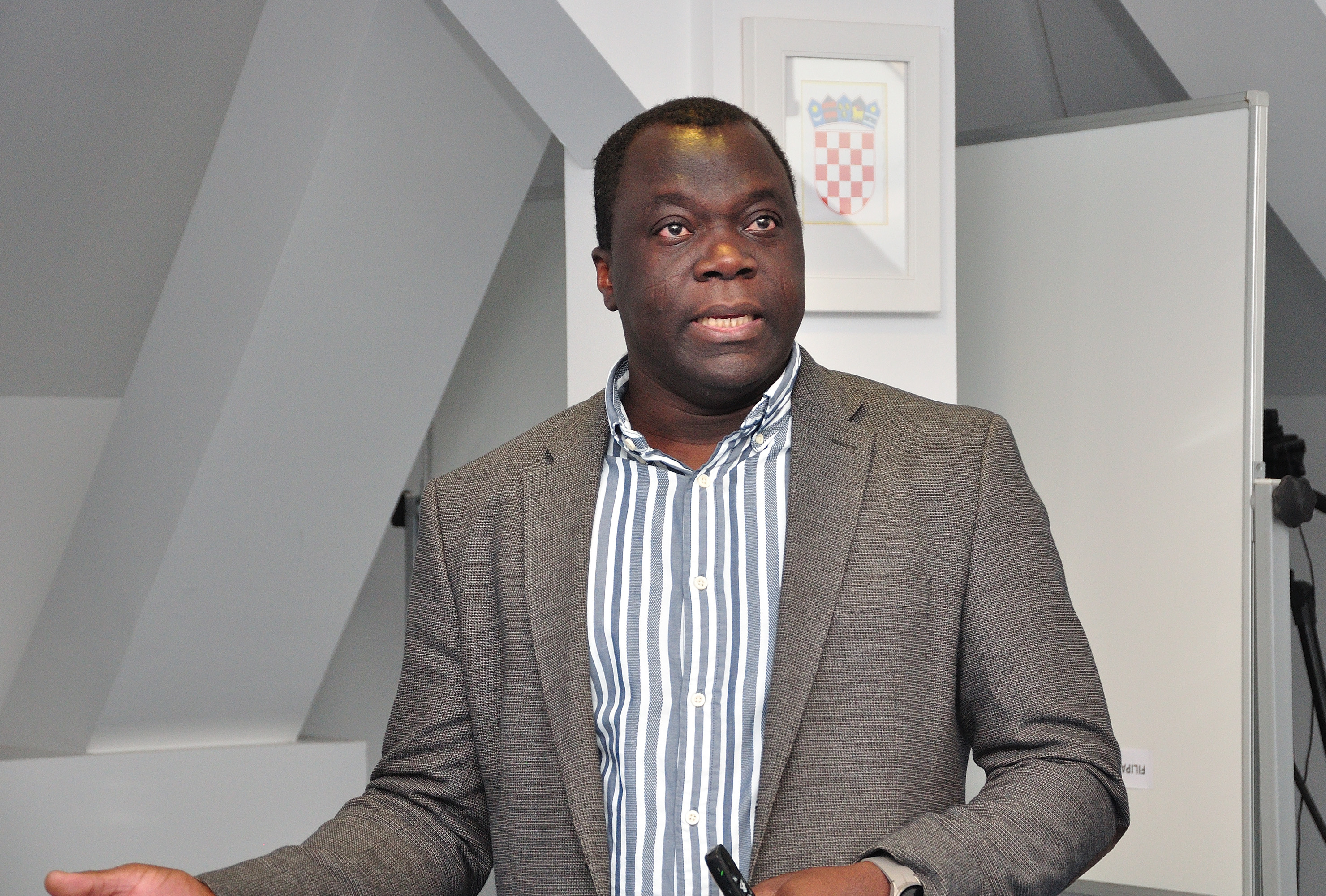
In the presentation by Assoc. Prof. Dr. Mario Bara, Assoc. Prof. Dr. Jeronim Dorotić, and Dr. Toni Ćosić, approximately half of respondents stated that they understand how AI functions, while the other half were uncertain about the ethical correctness of AI-driven decisions. Interestingly, when it comes to delegating financial decisions to AI, most respondents expressed distrust and a preference for maintaining human control.
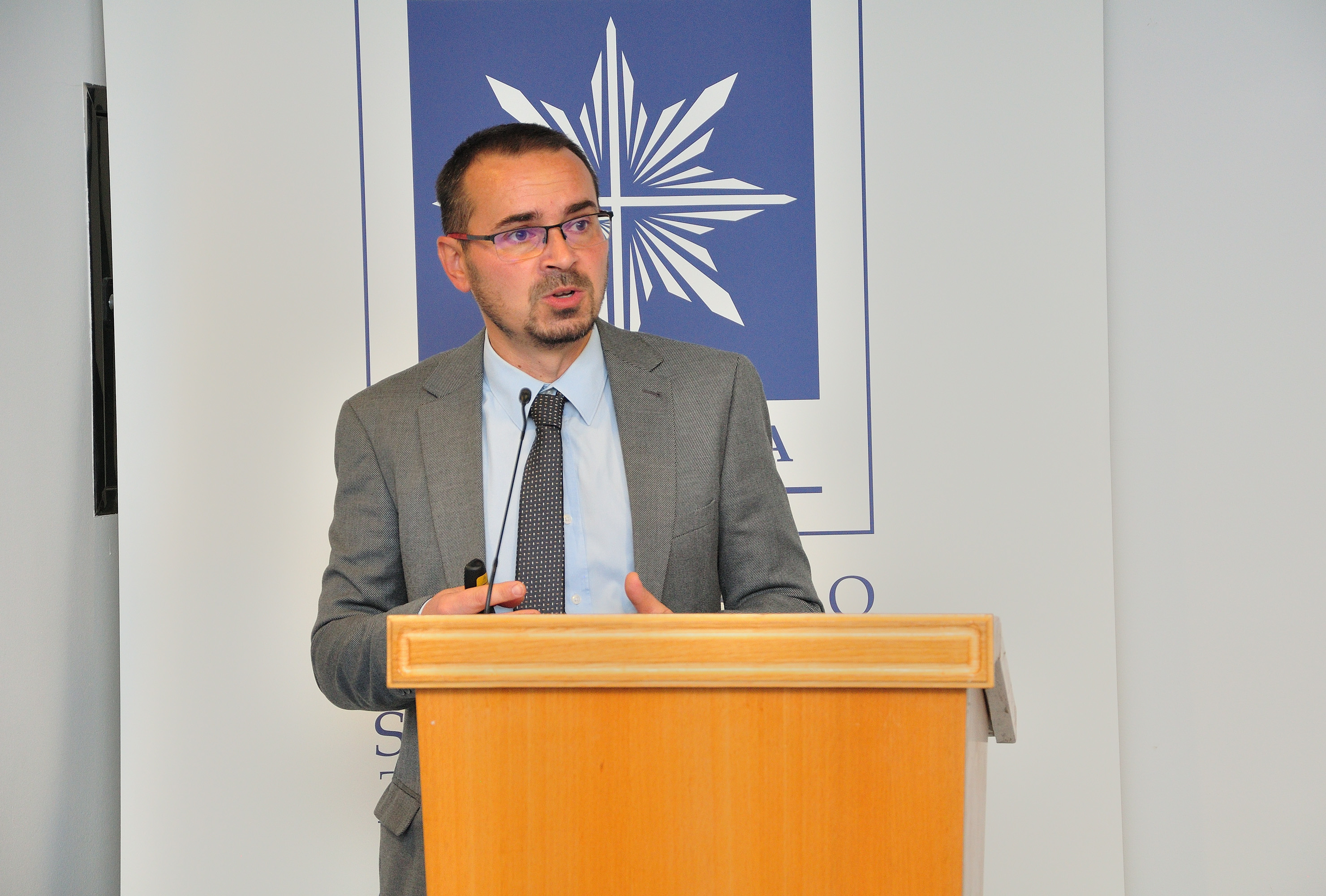
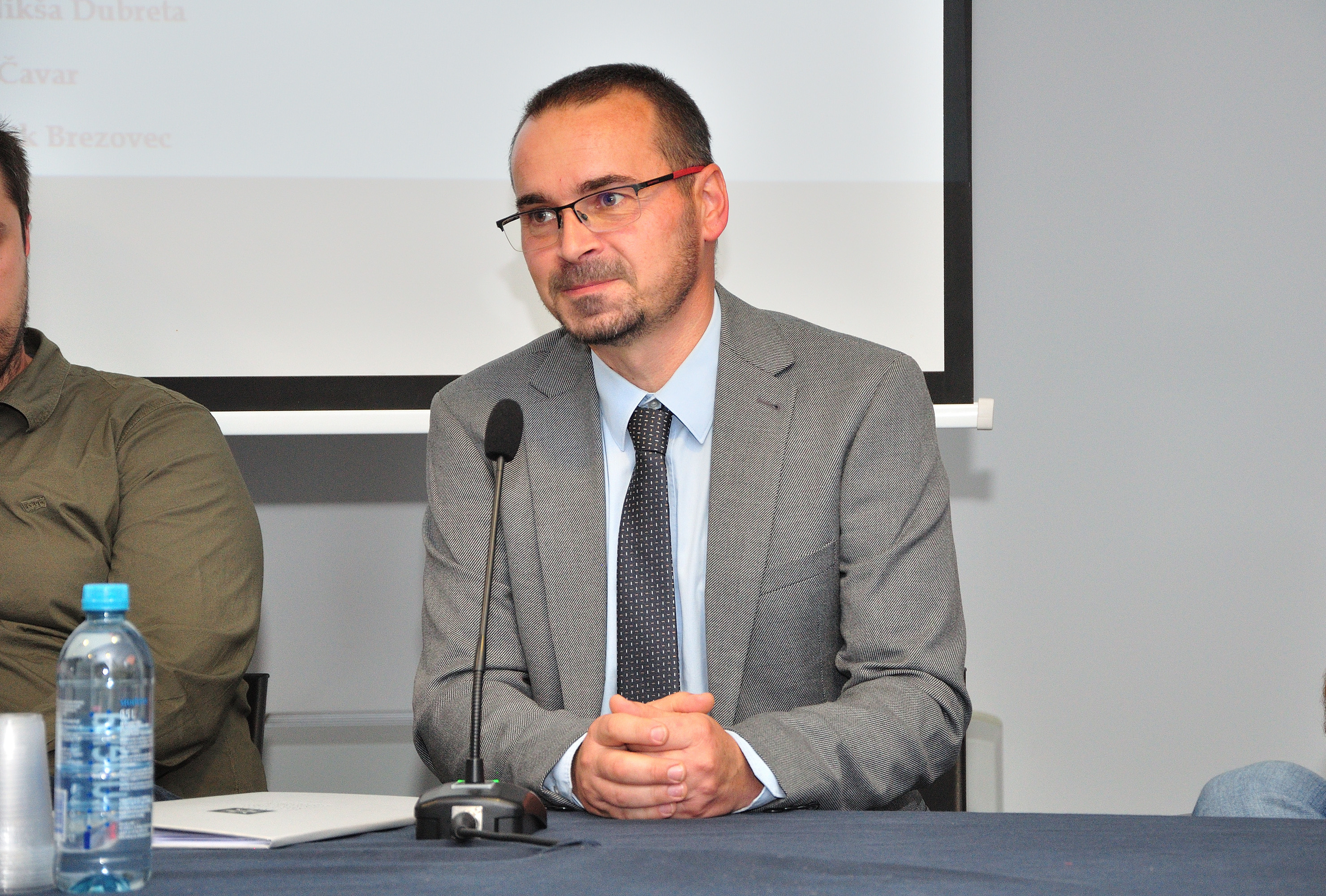
The conference concluded with a presentation by Prof. Dr. Nikša Dubreta, Dr. Ivana Čavar, and Assoc. Prof. Dr. Erik Brezovec on digital social inequality and generative AI. Their findings indicate that generative AI tools are not equally accessible to all social groups in Croatia. Inequalities in affordability, knowledge, and perceived usefulness correlate with age and frequency of use, highlighting the deeper structural dimensions of digital inequality.
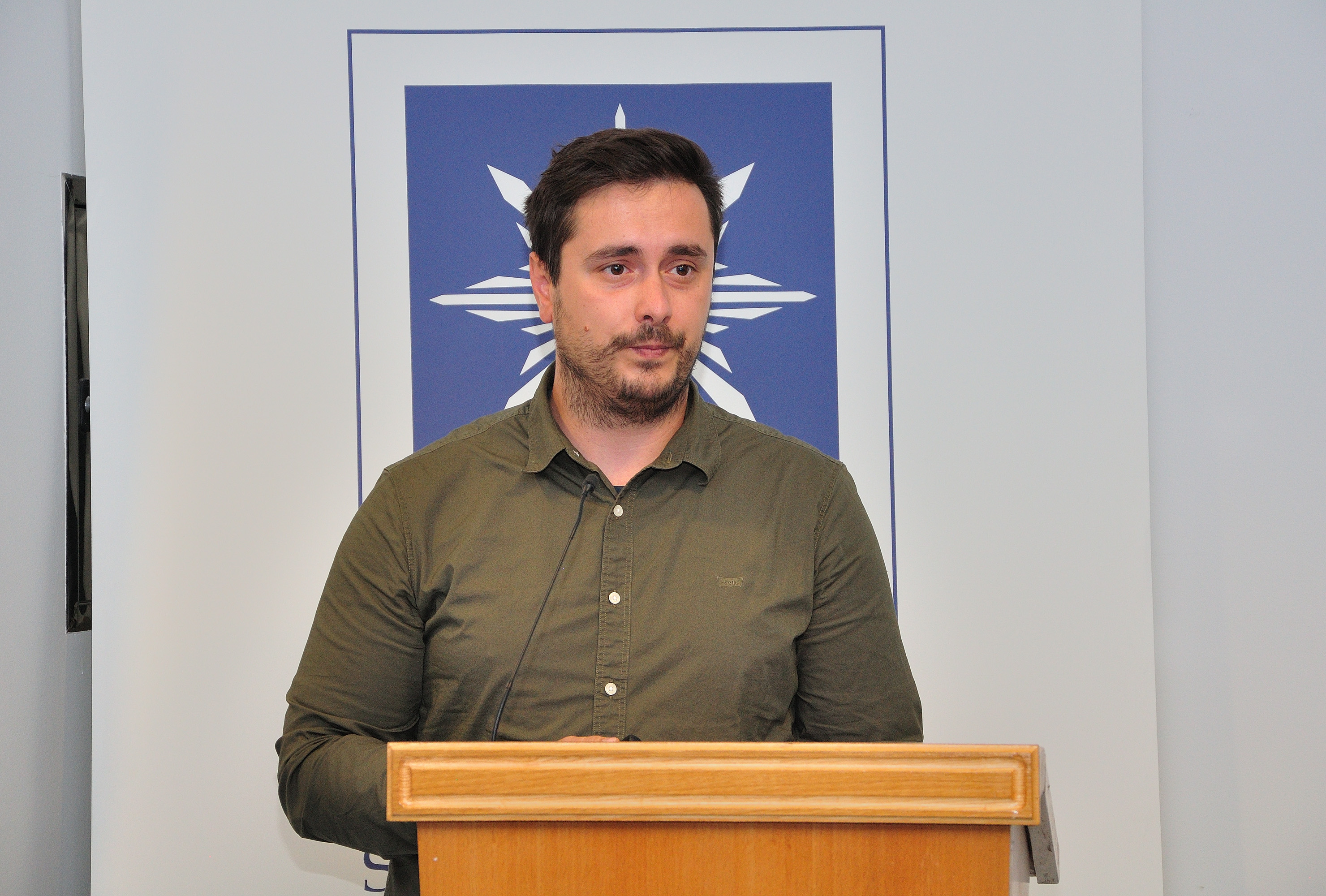
The conference “Artificial Intelligence and Social Change” demonstrated the vital role of sociological perspectives in understanding the social and cultural transformations brought about by AI. The research conducted by the Department of Sociology of CUC is particularly valuable as it confirms the Department’s engagement with current global and local issues shaping modern society and contributes to a scientific and practical understanding of citizens’ attitudes, knowledge, trust, and use of AI. These insights form a foundation for guiding technological development responsibly—toward the well-being of both individuals and society as a whole—in line with the mission and vision of the Catholic University of Croatia.